
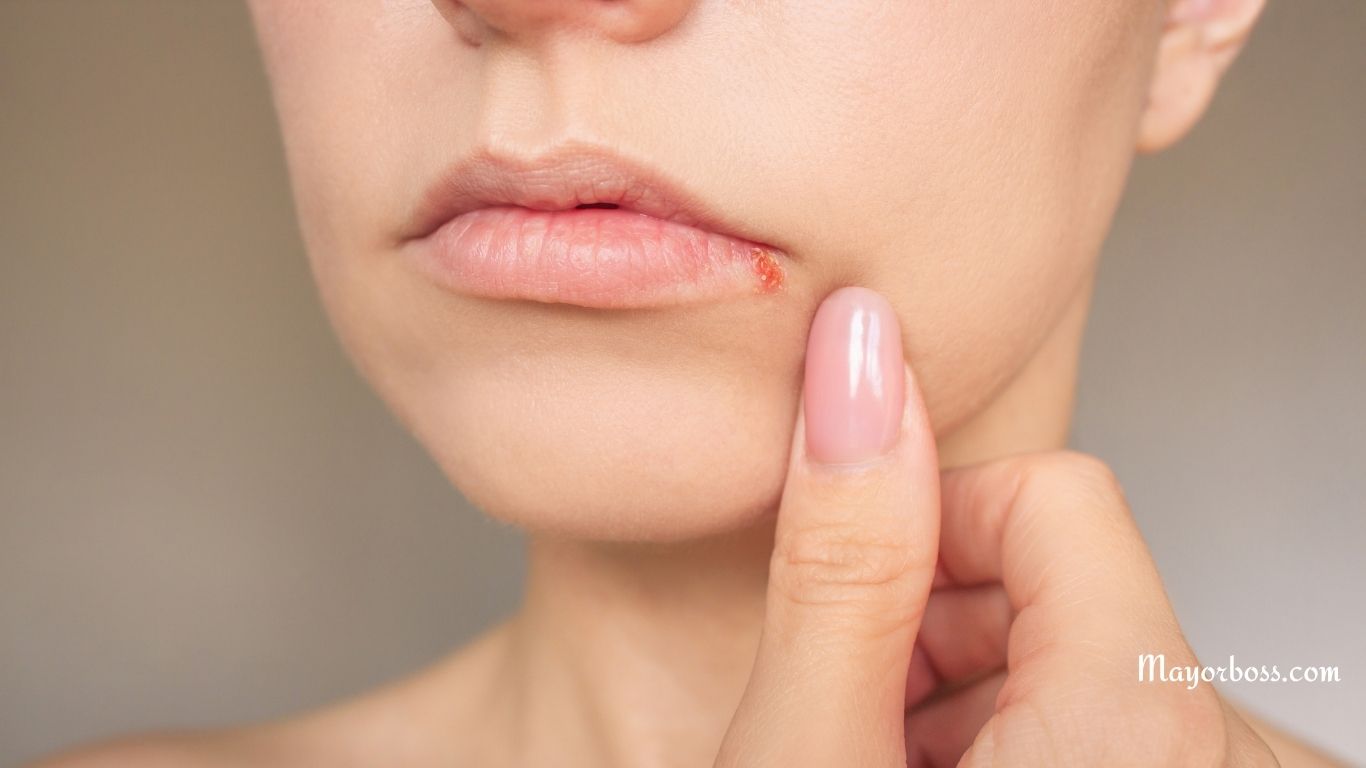
You catch your reflection and see another pimple beside your mouth. Maybe it is on your chin this time. You wash carefully, try a new cream, and avoid touching it. Yet a few days later, another bump appears.
This can leave you wondering what you are doing wrong.
Acne around the mouth is not always caused by poor skin care. In fact, washing too often or scrubbing harder may leave the area more irritated. The real cause may be hormones, a product touching your skin, daily friction, or a rash that only looks like acne.
Your Pores Are Becoming Blocked
Acne begins inside a pore. Oil and dead skin build up and block the opening. The blocked pore may become a blackhead, whitehead, or swollen pimple.
The skin around your mouth deals with a lot each day. Lip balm spreads past the lip line. Toothpaste drips onto the chin. Food touches the skin. Your hands may rest against your face without you noticing.
Any of these can make an existing breakout worse, especially when your pores already clog easily.1
Hormones
Hormones affect how much oil your skin makes. This is why breakouts often appear during puberty, pregnancy, or the days before a menstrual period.
Hormonal acne often settles on the lower part of the face. You may see it along the chin, jaw, or sides of the mouth. The pimples may feel deep and sore rather than sitting close to the surface.
A common clue is timing. If the same area breaks out at a similar point each month, hormones may be involved. Some people also notice more spots after starting or stopping certain forms of birth control.
Doctors have treatments for stubborn hormonal acne, but these need to be chosen based on your health, age, and pregnancy plans.
Lip Balm and Face Products Can Clog the Area
Lip balm seems harmless because it is made for dry lips. Still, thick or oily products can spread onto nearby skin. This may block pores around the corners of the mouth or under the lower lip.
The same can happen with foundation, concealer, heavy moisturizers, beard oils, shaving creams, and some sunscreens.
Look for products marked “non-comedogenic,” which means they are less likely to clog pores. Remove makeup before sleep, even if the label says it is suitable for acne-prone skin.
Do not stop five products on the same day. Remove one suspected item and watch the area for a few weeks. This gives you a better chance of finding the trigger.
Toothpaste Can Irritate the Skin
Sometimes, the bumps are not true acne.
Toothpaste can irritate the skin around the mouth in some people. Flavoring, foaming ingredients, or other substances may cause small bumps, dryness, redness, itching, or burning.
Try rinsing your mouth area after brushing. Make sure no toothpaste remains on the chin or beside the lips.
If the skin is dry and covered with many tiny bumps, changing acne creams may not solve the problem. The irritation may need a gentler routine instead.
Touching and Friction Can Keep Pimples Active
Think about how often your hand reaches your chin during the day. Many people do it while reading, using a phone, or sitting at a desk.
Face masks, helmet straps, musical instruments, and sports gear can also press or rub against the mouth and chin. Heat and sweat may become trapped underneath.
Clean anything that touches your face. Replace damp masks and wash reusable ones. Rather than wiping sweat, gently pat it away.
Also, leave pimples alone. Squeezing pushes the contents deeper into the skin and raises the chance of pain, dark marks, and scarring.
The “Acne” May Be Perioral Dermatitis
Perioral dermatitis is a rash that appears around the mouth. It often looks like a group of tiny pimples, so people may treat it as acne for weeks without improvement.
The skin may feel dry, tight, itchy, or sore. Some people notice a burning feeling. The rash can also spread beside the nose or around the eyes.2
Skin creams containing steroids, including hydrocortisone, may trigger or worsen this rash. Toothpaste and skin care products may also play a part. Do not stop a prescribed steroid cream without speaking with the doctor who prescribed it.3
How To Treat Acne Near Your Mouth
Wash your face in the morning and before bed with a gentle cleanser. Use lukewarm water and your fingertips. Skip rough scrubs, cleansing brushes, rubbing alcohol, and harsh soaps.
Give your skin time. Changing treatments every few days may cause more irritation and make it harder to tell what is helping.
See a dermatologist if the bumps are deep, painful, spreading, leaving scars, or not improving after several weeks. An exam can show whether you have acne, irritation, or perioral dermatitis. Once the cause is clear, treatment becomes much more straightforward.
References:
- https://www.nhs.uk/conditions/acne/ ↩︎
- https://www.ncbi.nlm.nih.gov/books/NBK525968/ ↩︎
- https://www.aad.org/public/diseases/a-z/perioral-dermatitis ↩︎
Was this helpful?
Your feedback helps us improve our articles.