The FDA is requiring new safety warnings for Ozempic, Wegovy, and other GLP-1 medications after reviewing evidence of a possible increased risk of a rare but potentially serious eye condition. Here’s what patients should know.
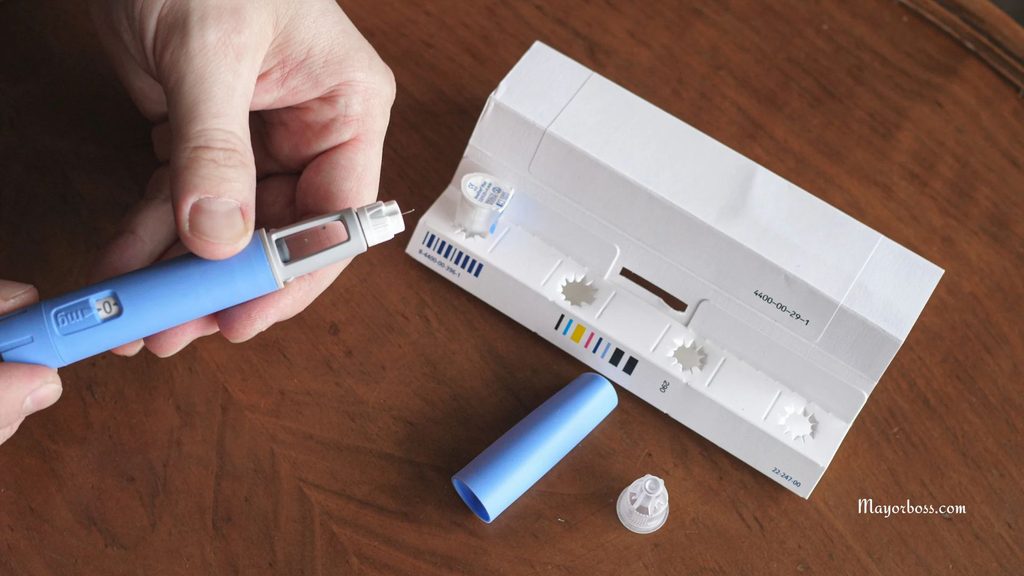
The U.S. Food and Drug Administration (FDA) announced new safety labeling requirements on November 9, 2026, for medications known as glucagon-like peptide-1 receptor agonists (GLP-1 RAs). These medications are widely prescribed to manage type 2 diabetes, support weight loss, and, in certain patients, reduce cardiovascular and other health risks.
The new warning concerns a rare eye condition called non-arteritic anterior ischemic optic neuropathy (NAION), which can cause sudden, painless vision loss. In some cases, the vision loss may be permanent.
The FDA’s announcement does not mean everyone taking Ozempic or Wegovy is at risk of losing their vision. The condition remains uncommon, and these medications provide important benefits for many patients.
However, the agency wants patients and healthcare professionals to recognize possible warning signs and understand when immediate medical evaluation is necessary.
What Did the FDA Say About Ozempic and Wegovy?
On November 9, 2026, the FDA announced that manufacturers of GLP-1 medications must update their prescribing information to include a warning about a potential increased risk of NAION.
The FDA reached its decision after evaluating clinical trials, observational studies, postmarketing safety reports, and other available evidence.
The warning applies to the GLP-1 medication class, including commonly prescribed treatments such as:
- Ozempic (semaglutide): Primarily prescribed for type 2 diabetes, with additional approved uses in certain patients.
- Wegovy (semaglutide): Used for chronic weight management and certain other approved indications.
- Rybelsus (semaglutide): An oral medication for type 2 diabetes.
- Trulicity (dulaglutide): Prescribed for type 2 diabetes and cardiovascular risk reduction in eligible patients.
- Victoza (liraglutide): Used to manage type 2 diabetes.
- Saxenda (liraglutide): Prescribed for chronic weight management.
The FDA’s announcement also includes other GLP-1-based medications, including products containing tirzepatide, such as Mounjaro and Zepbound.
Importantly, the FDA has not recommended that everyone stop taking these medications.
Instead, patients should understand the symptoms of NAION and seek immediate medical attention if sudden vision changes occur.
What Is NAION?
Non-arteritic anterior ischemic optic neuropathy is an eye condition that develops when blood flow to the front portion of the optic nerve becomes insufficient.
The optic nerve carries visual information from the eye to the brain. When its blood supply is disrupted, nerve tissue can become damaged, potentially resulting in permanent vision loss.
Unlike many other eye disorders, NAION typically develops without pain.
A person may go to bed seeing normally and wake up the following morning noticing that vision in one eye has suddenly deteriorated.
NAION most commonly affects one eye initially, although the other eye may also be affected later.
There is currently no established treatment that reliably reverses vision loss caused by NAION.
This makes recognizing symptoms and obtaining prompt medical evaluation especially important.
How Common Is Vision Loss From Ozempic and Wegovy?
One of the most important details in the FDA announcement is that NAION remains a rare condition, even among people taking GLP-1 medications.
The FDA analyzed 126 randomized controlled clinical trials involving more than 134,000 participants.
Researchers identified 15 probable cases of NAION across these trials:
- 10 cases occurred among participants receiving GLP-1 medications.
- 5 cases occurred among participants in the comparison groups.
After accounting for the amount of time participants were followed, the FDA reported the following incidence rates:
| Group | NAION cases per 100,000 person-years |
|---|---|
| GLP-1 medication users | 6.4 |
| Comparison groups | 3.8 |
| Absolute difference | 2.6 |
A person-year represents one person being followed for one year. These rates describe events over time, not the exact probability that an individual patient will develop NAION.
What Do These Numbers Mean?
The findings suggest approximately 2.6 additional NAION cases per 100,000 person-years of treatment among GLP-1 users compared with the trial comparison groups.
Put another way, the reported rates were equivalent to about:
- 6 to 7 cases per 100,000 person-years among GLP-1 users.
- Nearly 4 cases per 100,000 person-years among those receiving comparison treatments.
Although the relative difference may sound substantial, the absolute difference is small.
For most patients, the likelihood of developing NAION remains very low.
These estimates also come from the GLP-1 class as a whole. They should not be interpreted as precise, drug-specific risk estimates for Ozempic or Wegovy individually.
Did All Studies Find the Same Risk?
No.
The FDA also evaluated real-world healthcare data comparing GLP-1 medications with other diabetes treatments.
In one analysis, GLP-1 users did not have a statistically significant increase in NAION risk compared with people taking sodium-glucose cotransporter-2 (SGLT2) inhibitors.
However, a higher risk was observed when GLP-1 medications were compared with dipeptidyl peptidase-4 (DPP-4) inhibitors.
These differences illustrate why interpreting medication safety data requires caution.
Patients taking GLP-1 medications frequently have diabetes, obesity, high blood pressure, or other conditions that may independently increase the risk of NAION.
The FDA concluded that the available evidence supports a potential increased risk, but further research is needed to understand the relationship fully.
What Are the Warning Signs of NAION?
The most characteristic symptom of NAION is sudden, painless vision loss, usually affecting one eye.
According to the FDA, warning signs may include:
1. Sudden Vision Loss in One Eye
A person may notice that vision in one eye becomes significantly worse without warning.
This can happen overnight and may be particularly noticeable upon waking.
2. Blurred or Hazy Vision
Objects may suddenly appear blurry, cloudy, or less distinct.
Unlike temporary blurry vision caused by dry eyes or fatigue, vision changes related to NAION may persist.
3. Missing Areas in Your Vision
Some people develop blind spots or notice that part of their visual field is missing.
For example, the upper or lower portion of what they see may appear unusually dark or absent.
4. Reduced Central Vision
NAION may interfere with the ability to see objects directly ahead clearly.
This can make reading, recognizing faces, or performing other everyday activities difficult.
5. Changes in Color Vision
Some people experience altered color perception or notice that colors appear less vivid.
These symptoms are not specific to NAION. Other serious eye conditions can produce similar changes.
Any sudden loss or major change in vision should be treated as a medical emergency. Seek emergency medical evaluation immediately, even if the affected eye is painless.
Who May Be at Greater Risk?
Certain health conditions are associated with a higher likelihood of developing NAION.
The FDA identifies several potential risk factors.
Diabetes
People with diabetes have a higher risk of several eye complications, including diabetic retinopathy and NAION.
Maintaining healthy blood glucose levels and receiving regular eye examinations are important parts of diabetes management.
High Blood Pressure
Hypertension can damage blood vessels throughout the body, including those that supply the eyes.
Long-term blood pressure management may help reduce vascular health risks.
Sleep Apnea
Obstructive sleep apnea causes repeated interruptions in breathing during sleep and has been associated with NAION.
People who snore heavily, experience breathing pauses during sleep, or feel excessively sleepy during the day should discuss these symptoms with a healthcare professional.
Smoking
Smoking damages blood vessels and contributes to cardiovascular disease.
It is also considered a potential risk factor for NAION.
Kidney Disease and Anemia
Chronic kidney disease and anemia may also contribute to increased susceptibility.
Having one or more of these conditions does not mean a person taking Ozempic or Wegovy will develop NAION.
However, patients with additional risk factors may benefit from an individualized discussion with their healthcare provider.
Should You Stop Taking Ozempic or Wegovy?
Do not stop taking Ozempic, Wegovy, or another prescribed GLP-1 medication solely because of this warning without discussing it with your healthcare professional.
For many people, these medications provide substantial health benefits.
Depending on the medication and the patient’s medical history, benefits may include:
- Improved blood glucose control in type 2 diabetes.
- Clinically meaningful weight loss.
- Reduced risk of certain cardiovascular events.
- Improved outcomes for selected patients with chronic kidney disease.
- Benefits for some patients with obesity-related health conditions.
Stopping treatment without a medical plan could lead to worsening blood glucose control, weight regain, or loss of other treatment benefits.
The best decision depends on an individual’s overall health, medical history, and reasons for using the medication.
However, if sudden vision loss or another serious visual disturbance occurs, seek emergency medical attention immediately. Do not wait for a routine appointment.
The FDA advises clinicians to promptly arrange ophthalmologic evaluation when NAION is suspected and to consider discontinuing the GLP-1 medication if NAION develops, unless the benefits clearly outweigh the risks.
Can NAION Be Prevented?
There is no proven method that completely prevents NAION.
However, managing established vascular risk factors is important for overall eye and cardiovascular health.
Helpful steps include:
1. Keep blood pressure under control. Follow your prescribed treatment plan and monitor blood pressure as recommended.
2. Manage diabetes carefully. Maintaining appropriate blood glucose levels can help reduce several diabetes-related complications.
3. Address possible sleep apnea. Seek evaluation if you have persistent loud snoring, witnessed breathing pauses, or significant daytime sleepiness.
4. Avoid smoking. Quitting smoking benefits blood vessels throughout the body.
5. Attend recommended eye examinations. Regular eye care is particularly important for people with diabetes.
6. Report sudden vision changes immediately. Prompt medical assessment can help identify NAION or another potentially treatable emergency.
These measures support general health but have not been proven to eliminate GLP-1-associated NAION risk.
Does Ozempic Cause Blindness?
The FDA’s announcement should not be interpreted as proof that Ozempic directly causes blindness.
Current evidence indicates a possible association between GLP-1 medications and an increased risk of NAION.
However, an association does not automatically establish that a medication causes the condition in every reported case.
Many people prescribed these medications already have medical conditions associated with vascular and eye disease.
Researchers are continuing to investigate whether GLP-1 medications contribute directly to NAION and whether certain patients are more susceptible.
What is clear is that NAION can cause permanent vision loss and that patients should take sudden visual symptoms seriously.
What Should You Ask Your Doctor?
If you currently take Ozempic, Wegovy, or another GLP-1 medication, consider discussing the following questions with your healthcare provider:
- Do I have any medical conditions that increase my risk of NAION?
- Do the benefits of my current medication outweigh its potential risks?
- What vision changes should prompt emergency medical attention?
- Should I have an eye examination because of my diabetes or other existing conditions?
- What should I do if I develop sudden blurry vision or a blind spot?
Patients with a previous history of NAION should inform their prescribing clinician so that the potential benefits and risks of GLP-1 therapy can be reviewed carefully.
The Bottom Line
The FDA’s November 9, 2026, warning highlights a possible increased risk of a rare but potentially serious eye condition among people taking GLP-1 medications, including Ozempic and Wegovy.
Clinical trial findings suggest approximately 6.4 cases of NAION per 100,000 person-years among GLP-1 users, compared with 3.8 cases per 100,000 person-years in comparison groups.
Although the absolute risk appears low, NAION can lead to permanent vision loss.
Patients should be aware of symptoms such as sudden painless vision loss, missing areas of vision, and unexplained visual disturbances.
For most patients, the new warning does not automatically mean treatment should be discontinued. Decisions should be individualized according to medical history, treatment benefits, and potential risks.
The most important message: Don’t panic, don’t ignore sudden vision changes, and discuss medication concerns with your healthcare professional.
Frequently Asked Questions
Can Ozempic cause sudden vision loss?
The FDA has identified a potential increased risk of NAION, a rare condition that can cause sudden, painless vision loss, among people taking GLP-1 medications. The evidence suggests an association, but the condition remains uncommon.
Does Wegovy have the same eye warning as Ozempic?
Yes. Both medications contain semaglutide and are included in the FDA’s November 9, 2026, safety labeling announcement.
Is vision loss from NAION permanent?
NAION can cause permanent vision impairment. Some patients may experience partial improvement, but there is no established treatment that reliably restores vision lost from this condition.
Should I stop Ozempic if my vision becomes blurry?
Sudden or significant vision changes require immediate medical assessment. Do not wait for your next scheduled appointment. A healthcare professional can evaluate the cause and determine whether medication changes are necessary.
How rare is NAION among GLP-1 users?
In the FDA’s pooled clinical trial analysis, NAION occurred at an estimated rate of 6.4 cases per 100,000 person-years among people taking GLP-1 medications. Individual risk varies, and this rate is not a precise estimate for every GLP-1 drug.
References
- U.S. Food and Drug Administration. FDA Requires Safety Labeling Changes for Glucagon-Like Peptide-1 Receptor Agonists (GLP-1 RAs) Due to Potential Increased Risk of Rare But Serious Eye Condition. November 9, 2026.
https://www.fda.gov/drugs/drug-safety-communications/fda-requires-safety-labeling-changes-glucagon-peptide-1-receptor-agonists-glp-1-ras-due-potential - U.S. Food and Drug Administration. MedWatch Alert: FDA Requires Safety Labeling Changes for GLP-1 Receptor Agonists. November 9, 2026.
https://www.fda.gov/safety/medical-product-safety-information/medwatch-alert-fda-requires-safety-labeling-changes-glucagon-peptide-1-receptor-agonists-glp-1-ras
Medical disclaimer: This article is intended for educational purposes and does not replace individualized medical advice. Never ignore sudden vision loss or delay emergency medical care.
Was this helpful?
Your feedback helps us improve our articles.