
Smelling fresh throughout the day is not only about wearing perfume or deodorant. Your natural body scent is affected by sweat, bacteria on your skin, clothing, food, hormones, and personal care habits.
Sweat itself usually has little smell. Body odor develops when sweat mixes with bacteria and yeast living on the skin, especially around the underarms, groin, and feet.1
A few simple habits can help you maintain a clean, pleasant body scent from morning until bedtime.
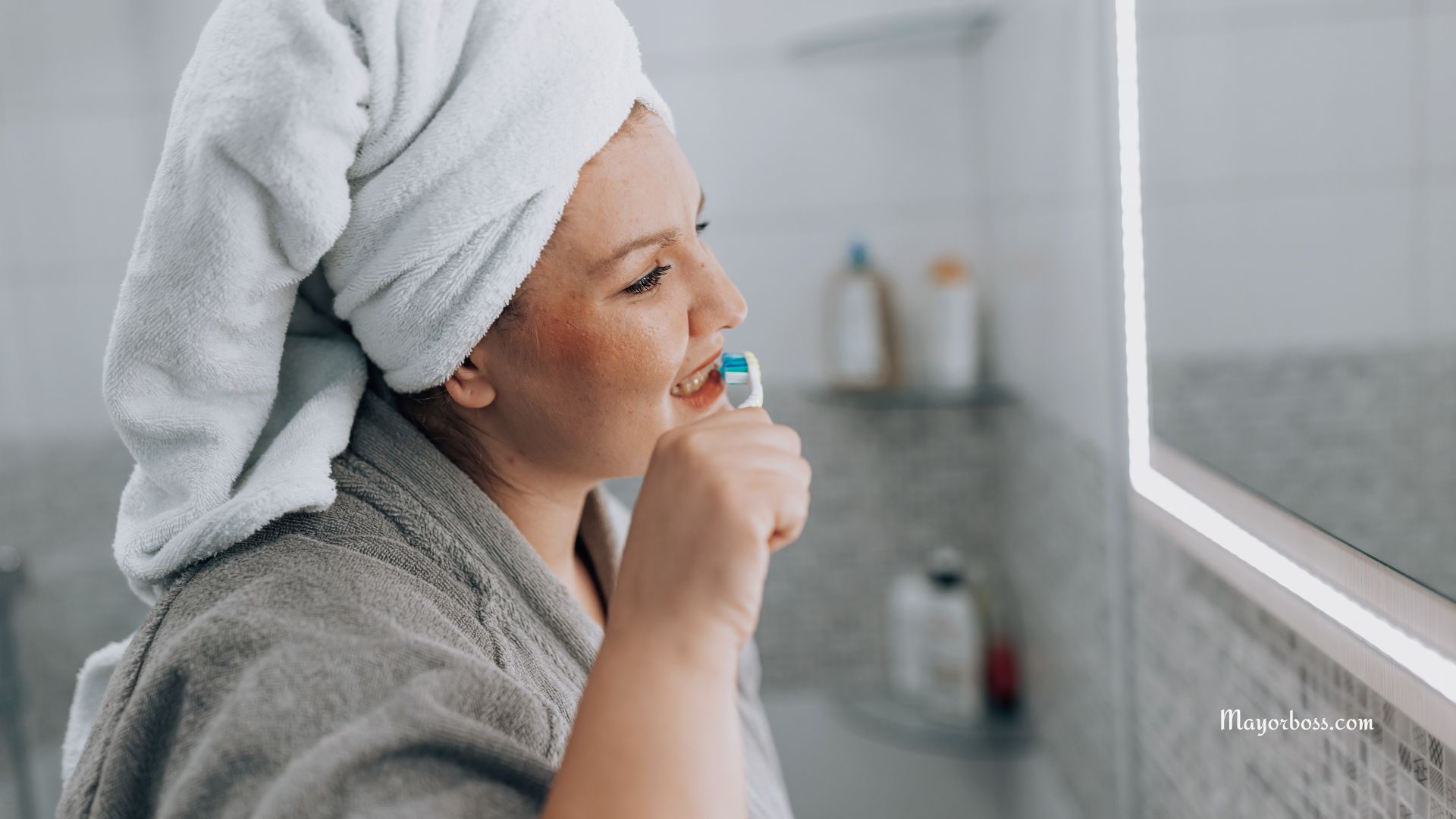
Wash the Areas That Sweat the Most
Daily bathing removes sweat, dead skin, oils, and bacteria that contribute to odor.
Pay extra attention to your underarms, feet, groin area, and skin folds. These areas tend to stay warm and moist, which allows odor-causing bacteria to grow.
If you sweat heavily, washing these areas more often may help. The NHS recommends washing the underarms, groin, and feet regularly and drying them well afterward.2
Avoid harsh scrubbing. It can irritate your skin without making you smell cleaner.
Dry Your Skin Well After Bathing
Damp skin creates a better environment for bacteria and fungi.
After showering, dry your underarms, feet, groin, and skin folds carefully. Do not forget the spaces between your toes.
If you tend to sweat between skin folds, keeping these areas dry during the day can also reduce odor.3
Use Antiperspirant, Not Just Deodorant
Deodorant and antiperspirant do different jobs.
Deodorant helps control or cover odor. Antiperspirant reduces the amount of sweat reaching your skin.
For people who sweat heavily, an antiperspirant may provide better odor control because there is less moisture available for bacteria to act on.
Dermatologists often recommend applying antiperspirant to completely dry skin before bedtime.
If regular products do not control your sweating, your doctor or dermatologist may recommend a stronger treatment.
Change Sweaty Clothes
Fresh skin will not stay fresh for long if you put sweaty clothing back on.
Change underwear, socks, and shirts regularly. After exercise or heavy sweating, change into clean, dry clothes as soon as you can.
Choose breathable clothing when possible. Cotton and other breathable materials can help reduce trapped heat and moisture.
Keep Your Feet Fresh
Feet contain many sweat glands and spend hours inside shoes, so odor can develop quickly.
Wash your feet daily and dry them well. Change your socks when they become damp.
Avoid wearing the same sweaty shoes every day. Giving shoes time to dry can reduce moisture and odor.
If your feet itch, peel, crack, or develop a strong smell that does not improve, you may have a fungal infection that needs treatment.
Be Careful With Fragranced Products
Spraying perfume over sweaty skin does not remove body odor. In some cases, mixing fragrance with sweat can create an unpleasant smell.
Apply fragrance to clean skin instead.
Be careful with products marketed for use all over the body. Dermatologists advise against applying fragranced deodorants to sensitive genital skin because they can cause irritation.
Water and gentle cleansing are usually enough for sensitive areas.
Pay Attention to Foods That Affect Your Scent
Some foods can change how your sweat smells.
Garlic, onions, strong spices, and large amounts of alcohol may make body odor stronger in some people. Spicy foods may also make you sweat more.
You do not need to remove these foods unless you notice a clear pattern.
Drinking enough water can also help you avoid dry mouth, another common source of unpleasant odor.
Do Not Forget Oral Hygiene
A pleasant body scent includes your breath.
Brush your teeth twice a day and clean between your teeth daily. Clean your tongue as well, since bacteria can collect there.
Persistent bad breath despite good oral care deserves attention from a dentist or doctor.
When Body Odor Needs Medical Attention
A sudden change in your normal body odor should not be ignored.
Speak with your doctor if your body odor becomes much stronger without a clear reason, you suddenly begin sweating much more than usual, or sweating regularly soaks through your clothes.
Certain medicines, hormonal changes, excessive sweating, diabetes, and other medical conditions can affect body odor.
For most people, though, staying fresh comes down to a simple routine: clean your skin, keep sweaty areas dry, wear clean clothing, use antiperspirant when needed, and take care of your feet and mouth.
References:
- https://www.aad.org/public/diseases/a-z/hyperhidrosis-symptoms ↩︎
- https://www.nhs.uk/symptoms/body-odour-bo/ ↩︎
- https://www.aad.org/news/how-to-control-excessive-sweating ↩︎
Was this helpful?
Your feedback helps us improve our articles.