
You probably know that drinking enough water is one of the simplest ways to stay healthy. But have you heard that adding a pinch of salt to your drinking water could make it even better?
Some people swear by drinking salt water first thing in the morning. They claim it improves hydration, boosts energy, prevents muscle cramps, and helps the body absorb water more effectively.
But does adding salt to water really offer these benefits?
The answer might surprise you. Salt plays an important role in keeping your body hydrated, but adding it to your drinking water isn’t always necessary. In fact, depending on your health, doing so regularly could cause more harm than good.
Here’s what you should know before adding that extra pinch of salt to your next glass of water.
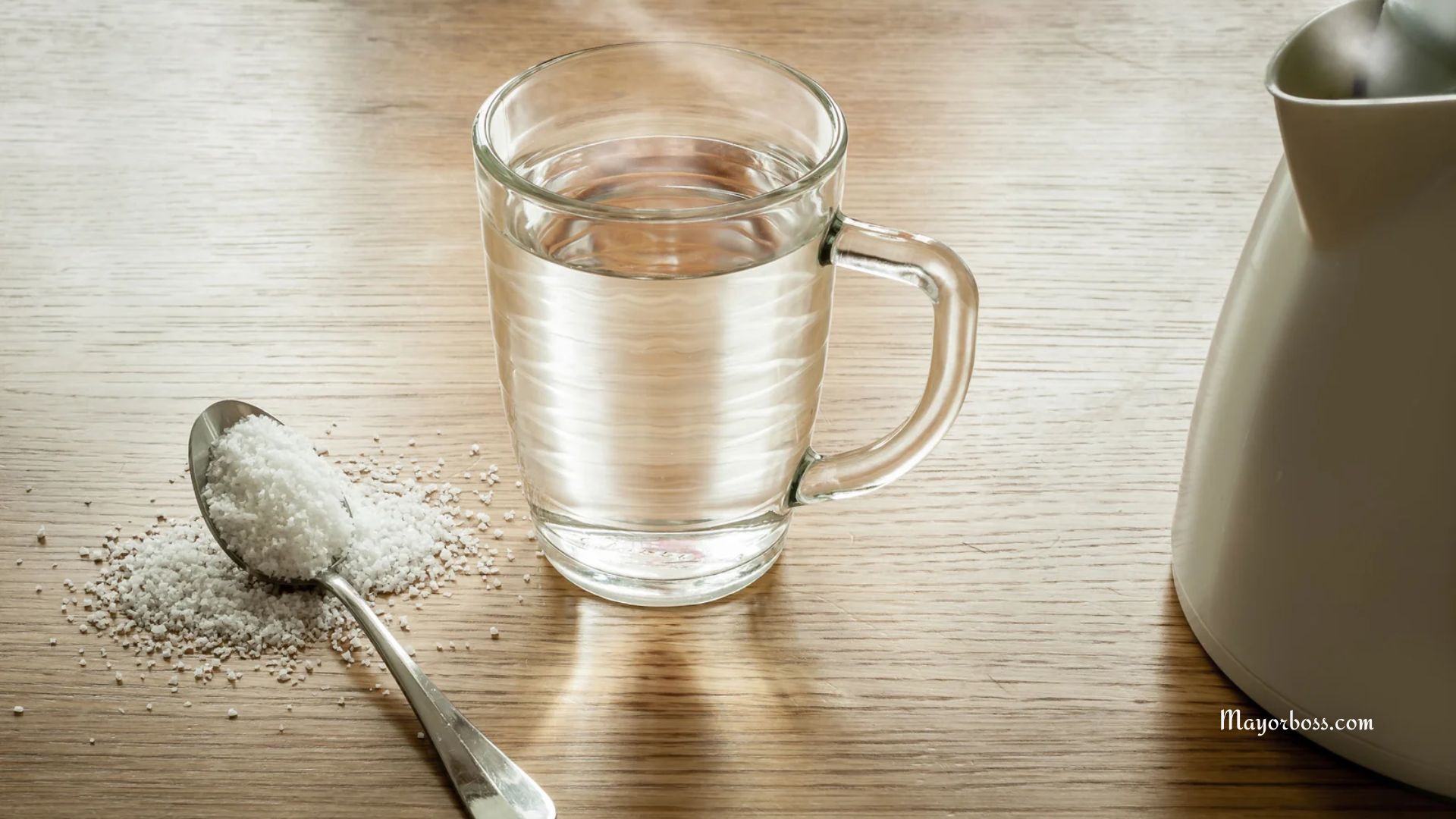
What Happens When You Add Salt to Drinking Water?
When you add a pinch of salt to water, the salt dissolves and releases two minerals: sodium and chloride.
Both are electrolytes, which means they carry electrical charges that help your body perform essential functions.
Sodium is particularly important because it helps regulate the amount of water inside and outside your cells. It also helps your nerves send signals and allows your muscles to contract properly.
Your body carefully controls sodium levels through your kidneys and hormones.
When you drink water containing salt, your intestines absorb the water and sodium. The sodium then becomes part of your body’s existing electrolyte balance.
However, here’s something important to understand: Adding salt doesn’t automatically make water more hydrating.
Your body already absorbs plain water efficiently. Unless you’ve lost significant amounts of sodium, adding more salt generally provides no additional hydration benefit.
1. Salt Water May Help Replace Electrolytes Lost Through Sweating
One reason people add salt to drinking water is to replace electrolytes lost through sweat.
When you sweat, your body loses both water and sodium. The amount of sodium you lose depends on how heavily you sweat, how long you’re active, and your individual sweat composition.
For example, if you spend several hours exercising outdoors in hot weather, you may lose enough sodium that replacing it becomes helpful.
This is why some sports drinks contain electrolytes.
However, if you’re simply going for a short walk, working at your desk, or doing ordinary daily activities, plain water and your usual meals are generally enough.
The takeaway: Salt-containing drinks can be useful during prolonged, sweaty activities, but most people don’t need them for everyday hydration.
2. It May Help Your Body Retain Fluid in Certain Situations
Have you ever wondered why sodium is included in many rehydration drinks?
Sodium helps your body maintain fluid balance. When you lose both salt and water, replacing sodium along with fluids can help restore normal hydration.
This is particularly useful after substantial sweating.
However, drinking salty water doesn’t mean all that extra water will stay in your body. Your kidneys constantly adjust how much sodium and water you retain or eliminate.
When you’re already adequately hydrated and getting enough sodium from food, adding salt to water is unlikely to provide a meaningful benefit.
And consuming too much sodium may encourage your body to retain excess fluid, which can be especially problematic for people with certain heart or kidney conditions.
3. Salt Water May Be Helpful After Heavy Exercise
If you exercise for a long time, particularly in hot or humid conditions, you may need more than plain water to replace what you’ve lost through sweating.
During prolonged physical activity, beverages containing sodium can help replace electrolyte losses.
But the duration and intensity of your workout are important.
For most exercise sessions lasting less than an hour, plain water is sufficient.
If you’re exercising intensely for more than an hour, particularly when sweating heavily, a properly formulated electrolyte drink may be useful.
It’s also important not to drink excessive amounts of water during endurance exercise. Drinking far more fluid than your body needs can dilute sodium levels in your blood, causing a potentially dangerous condition called exercise-associated hyponatremia.
Adding a little salt to water doesn’t reliably prevent this condition if you’re drinking too much fluid.
A better approach is to drink according to your needs and consider an appropriate electrolyte replacement plan for prolonged activities.
4. Does Adding Salt to Water Give You More Energy?
You may have seen people recommending a glass of salt water in the morning to fight fatigue or boost energy.
But there’s an important difference between helping your body function normally and giving it extra energy.
Sodium is necessary for nerve and muscle function. If you’ve lost a substantial amount of sodium and fluid, replacing those losses may help you feel better.
However, salt contains no calories and doesn’t provide energy the way carbohydrates, fats, and proteins do.
If you’re already getting enough sodium, adding more to your water won’t automatically make you more energetic.
Persistent fatigue can have many causes, including poor sleep, anemia, thyroid problems, dehydration, or certain medical conditions.
If you frequently feel exhausted, it’s better to investigate the cause rather than rely on salt water as a quick fix.
5. Can Drinking Salt Water Prevent Muscle Cramps?
Muscle cramps are another reason some people add salt to water.
Since sodium helps your muscles function, it makes sense to wonder whether extra salt could prevent cramping.
But muscle cramps aren’t always caused by a lack of sodium.
They may be associated with muscle fatigue, prolonged exercise, certain medications, and underlying medical conditions. Fluid and electrolyte losses can sometimes contribute, particularly during strenuous activity.
If you’re sweating heavily for long periods, replacing lost sodium may be appropriate.
However, there’s limited evidence that routinely drinking salt water prevents ordinary muscle cramps in otherwise healthy people.
If you frequently experience cramps, especially at night or while resting, don’t automatically assume you need more salt.
6. Does Salt Water Improve Digestion?
Another popular claim is that drinking salt water in the morning stimulates digestion, relieves constipation, or cleanses the intestines.
But there’s little good scientific evidence that adding a small pinch of salt to water improves digestion in healthy people.
Drinking enough water can support normal bowel function, especially when combined with adequate dietary fiber.
However, the salt itself isn’t necessary for this benefit.
Some people also promote drinking large amounts of concentrated salt water as a way to flush out the digestive system.
This practice can be dangerous.
Consuming excessive salt can cause nausea, vomiting, diarrhea, and potentially serious disturbances in your body’s sodium balance.
If you experience constipation, increasing fiber gradually, staying adequately hydrated, and being physically active are generally safer starting points.
7. Adding Salt to Water Could Increase Your Blood Pressure
This is one of the most important things to consider before making salt water part of your daily routine.
Although sodium is essential for your body, consuming too much can increase blood pressure.
When your sodium intake is high, your body may retain more water. This can increase blood volume and contribute to higher blood pressure, particularly in people who are sensitive to sodium.
Over time, high blood pressure increases your risk of heart disease, stroke, and kidney problems.
According to the American Heart Association, adults should consume no more than 2,300 milligrams of sodium daily, with an ideal goal of 1,500 milligrams for most adults.
Unfortunately, many people already exceed these amounts through everyday foods.
Bread, cheese, processed meats, canned soups, sauces, and restaurant meals can all contain considerable amounts of sodium.
Adding salt to your water may seem harmless, but it increases your total daily sodium intake.
If you have high blood pressure, adding salt to your drinking water every morning is generally not a good idea unless your healthcare professional specifically recommends it.
8. How Much Sodium Is in a Pinch of Salt?
A pinch sounds like a very small amount, but it’s worth understanding how much sodium it contains.
A typical 1/4 teaspoon of table salt contains approximately 575 milligrams of sodium.
Even 1/16 teaspoon contains approximately 144 milligrams of sodium.
That’s a meaningful addition if you’re already consuming plenty of salt through food.
The exact amount in a pinch varies depending on your fingers, the size of the salt crystals, and how much you pick up.
And remember, salt is salt when it comes to sodium.
Himalayan pink salt, sea salt, and ordinary table salt all contain substantial amounts of sodium. Although specialty salts may contain trace minerals, the amounts in a small pinch are generally too low to provide meaningful nutritional benefits.
You don’t need expensive specialty salt to support your body’s electrolyte balance.
9. Who Should Avoid Adding Salt to Drinking Water?
While a small amount of salt in water isn’t likely to cause problems for most healthy adults, some people should be particularly cautious.
This includes people with:
- High blood pressure: Additional sodium may make blood pressure harder to control.
- Kidney disease: Impaired kidney function can make it more difficult to regulate sodium and fluid balance.
- Heart failure: Excess sodium can worsen fluid retention and swelling.
- Liver cirrhosis with fluid retention: Higher sodium intake may worsen fluid accumulation.
- Conditions requiring a low-sodium diet: Adding salt to water can interfere with prescribed dietary restrictions.
If you take medications that affect your fluid or electrolyte balance, such as diuretics, ask your healthcare professional before intentionally increasing your sodium intake.
People who have been advised to increase sodium for a specific medical condition should follow their individualized treatment plan rather than an online salt-water routine.
10. Is Salt Water Better Than Plain Water?
For most people, the answer is no.
Plain water is an excellent choice for staying hydrated because it replaces fluids without adding sodium, sugar, or unnecessary calories.
You don’t need to add anything special to make water work.
Your body is designed to absorb water efficiently, and your kidneys help maintain the proper balance of fluids and electrolytes.
However, there are situations where replacing electrolytes is important.
If you experience significant fluid loss from diarrhea or vomiting, a properly formulated oral rehydration solution (ORS) is usually a better choice than homemade salt water.
These solutions contain carefully balanced amounts of sodium, glucose, and other electrolytes to help replace losses and support absorption.
Simply adding a pinch of salt to plain water doesn’t create an equivalent rehydration solution.
For everyday hydration, drinking plain water throughout the day and eating a balanced diet is generally all you need.
Should You Drink Salt Water First Thing in the Morning?
There’s no convincing scientific evidence that drinking salt water immediately after waking provides special benefits compared with drinking plain water.
You naturally lose some water overnight through breathing, sweating, and urine production.
Having a glass of water in the morning can help replace fluids, especially if you wake up thirsty.
But unless you have a specific reason to replace sodium, adding salt isn’t necessary.
If you enjoy starting your morning with water, continue doing so. Just don’t feel pressured to turn it into a salt-water routine.
Frequently Asked Questions
Is it good to drink water with a pinch of salt every day?
Most healthy people don’t need to add salt to their drinking water every day. Your usual diet generally supplies enough sodium. Adding more may unnecessarily increase your sodium intake.
Does salt help your body absorb water faster?
Sodium and glucose work together to support fluid absorption in the intestines, which is why they’re included in oral rehydration solutions. However, adding salt to ordinary drinking water doesn’t necessarily improve hydration when you’re already healthy and adequately nourished.
Can I use Himalayan pink salt in drinking water?
You can dissolve food-grade Himalayan pink salt in water, but it offers no proven hydration advantage over ordinary table salt. It still contributes sodium to your diet.
Can drinking salt water help with dehydration?
It depends on the cause of dehydration. For routine fluid needs, plain water is usually sufficient. For significant electrolyte losses, such as those caused by severe diarrhea, properly formulated oral rehydration solutions are preferred. Severe dehydration requires medical attention.
Does salt water detox your body?
No. There’s no credible evidence that drinking salt water removes toxins from your body. Your kidneys and liver already perform essential functions that help process and eliminate waste.
The Bottom Line
Adding a pinch of salt to water isn’t necessarily harmful for everyone, and sodium is an essential mineral that helps your body maintain fluid balance and normal nerve and muscle function.
But that doesn’t mean everyone should start drinking salt water.
For most people, plain water is enough to stay properly hydrated. Adding extra sodium is usually unnecessary unless you’re replacing significant electrolyte losses or following specific medical advice.
And if you have high blood pressure, kidney problems, or heart disease, regularly adding salt to your drinking water may do more harm than good.
Sometimes, the healthiest choice is also the simplest: drink water when you need it, eat a balanced diet, and let your body do what it was designed to do.
Medical References
- American Heart Association — How Much Sodium Should I Eat Per Day?
- World Health Organization — Sodium Reduction
- American College of Sports Medicine — Exercise and Fluid Replacement
- Centers for Disease Control and Prevention — Travelers’ Diarrhea and Oral Rehydration
- World Health Organization — Diarrhoeal Disease
Was this helpful?
Your feedback helps us improve our articles.