
Have you ever heard the term “chemical pregnancy” and wondered what it means? This term often causes confusion and concern, especially among those trying to conceive. This article discusses what a chemical pregnancy is, why it occurs, and what it means for future fertility.
What is Chemical Pregnancy?
A chemical pregnancy is a term used to describe a very early pregnancy loss happening shortly after implantation. Here are some key points:
- Early Miscarriage: A chemical pregnancy is essentially an early miscarriage occurring within just a few weeks of conception.
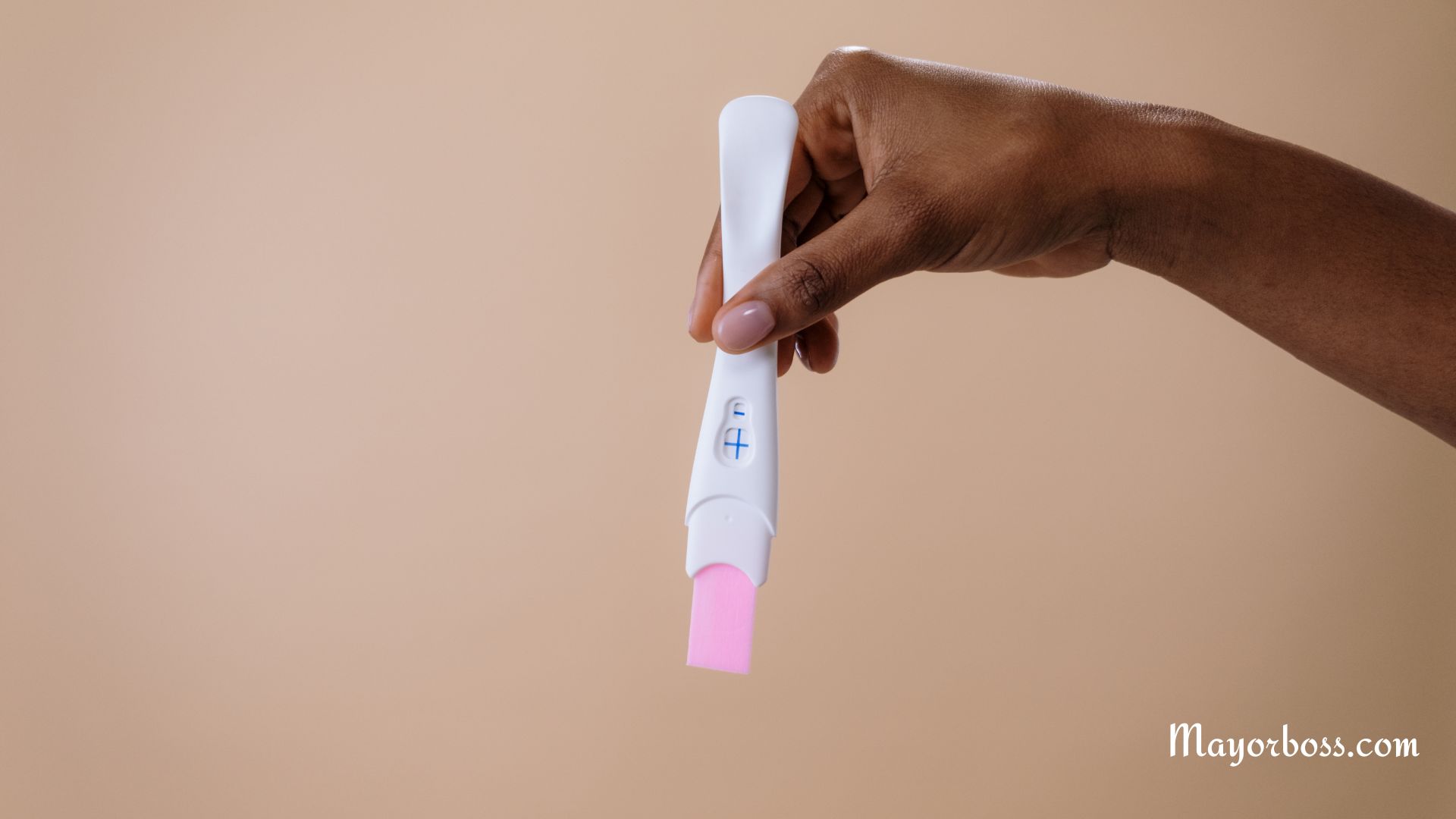
- Positive Pregnancy Test: You may have a positive pregnancy test because your body starts to produce the hormone hCG (human chorionic gonadotropin), but the pregnancy doesn’t progress.
- No Gestational Sac: Unlike later miscarriages, a chemical pregnancy happens before the gestational sac is formed, so it’s usually not detectable through an ultrasound.
- Short Duration: Many women might not even realize they’ve had a chemical pregnancy, as it often occurs close to when their period is due.
Causes of Chemical Pregnancy
The causes of a chemical pregnancy are not always clear, but several factors can play a role:
- Chromosomal Abnormalities: The most common cause is where the developing embryo has an abnormal number of chromosomes.
- Hormonal Imbalance: Imbalances in hormones essential for pregnancy can contribute to a chemical pregnancy.
- Uterine Abnormalities: Issues with the uterus, such as fibroids or an abnormally shaped uterus, can affect implantation.
- Medical Conditions: Certain conditions like thyroid disorders or clotting disorders can increase the risk.
- Advanced Maternal Age: Women above 35 have a higher likelihood of chromosomal abnormalities in their eggs, leading to increased risk.
Symptoms of a Chemical Pregnancy
Symptoms can be subtle and may include:
- A Late period: Your period may be a few days late, or you may experience bleeding around the time of your expected period.
- Mild Cramping: Some women experience mild pelvic cramping.
- Positive Pregnancy Test: A faint positive line on a pregnancy test, followed by a negative test, can indicate a chemical pregnancy.
- Vaginal Bleeding: Light spotting or bleeding may occur, often mistaken for a regular period.
Diagnosis
A chemical pregnancy is often detected through a pregnancy test. However, due to its early occurrence, many women might not realize they’ve had a chemical pregnancy.
Impact on Future Fertility
- Good News: The occurrence of a chemical pregnancy usually doesn’t impact your long-term fertility. Many women go on to have successful pregnancies after experiencing a chemical pregnancy.
- Consult a Doctor: If you’ve had multiple chemical pregnancies, it’s okay to talk to a healthcare provider to rule out any underlying issues.
Coping with a Chemical Pregnancy
Experiencing a chemical pregnancy can be emotionally challenging:
- Acknowledge Your Feelings: It’s okay to grieve the loss, even if it was an early pregnancy.
- Support Systems: Reach out to friends, family, or support groups for emotional support.
- Professional Counseling: Consider talking to a therapist or counselor.
Frequently Asked Questions
Is a chemical pregnancy a real pregnancy?
Yes, it is a real pregnancy. It indicates that fertilization occurred, but the pregnancy ended very early.
How soon after a chemical pregnancy can you conceive again?
Most women can try to conceive again in their next cycle. However, it’s best to discuss this with your doctor.
Does a chemical pregnancy require treatment?
Typically, no specific treatment is needed for a chemical pregnancy, but follow-up with a healthcare provider is always a good practice.
Can lifestyle changes reduce the risk of a chemical pregnancy?
Maintaining a healthy lifestyle, managing stress, and avoiding smoking and excessive alcohol can be beneficial. However, many causes of chemical pregnancy are beyond your control.
Should I consult a doctor after a chemical pregnancy?
It’s a good idea to consult your doctor after any pregnancy loss, including a chemical pregnancy, especially if you have concerns or questions about your health or fertility.
In conclusion, a chemical pregnancy is a very early pregnancy loss, often occurring before a woman even realizes she’s pregnant. While it can be emotionally difficult, understanding its causes, symptoms, and the fact that it’s a common occurrence can provide some comfort. If you’re planning to conceive again or have concerns about your reproductive health, it’s always best to speak with your healthcare provider.