
What are tapeworms?
Tapeworms are intestinal parasites that can infect humans, cats, and dogs. They are typically contracted by consuming contaminated food or water. There are several species of tapeworms, but the most common ones in humans are beef tapeworms and pork tapeworms.
Tapeworms range in size from a few millimeters to several meters and survive by attaching to the intestines and feeding on digested food.
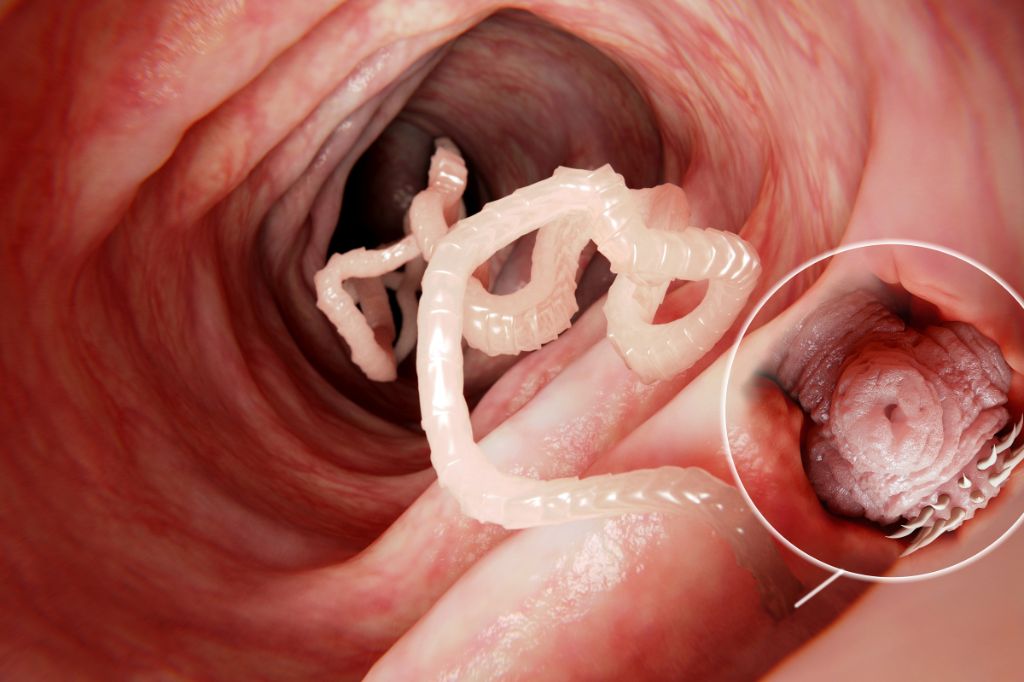
Early signs of a tapeworm
Early symptoms of a tapeworm infection can include abdominal pain, loss of appetite, nausea, vomiting, weight loss, constipation or diarrhea, fatigue, and allergies. In severe cases, the tapeworms can be seen in feces or vomit. Some people may also experience rashes and hives due to a sensitivity to certain species of tapeworms.
Other signs of tapeworms include coughing, wheezing, and difficulty breathing due to the movement of worms in the lungs. Tapeworms can also cause inflammation and irritation in the eyes, as well as fever or chills.
It is important to seek medical attention immediately if you suspect that you or a loved one may have a tapeworm infection. Early diagnosis and treatment are key to avoiding further health complications.

What happens when tapeworms go untreated?
If left untreated, tapeworm infection can lead to various complications, such as vitamin deficiencies and anemia due to poor absorption of nutrients. In severe cases, the worms may migrate to other parts of the body, including the brain. This can cause blindness, severe headache, convulsion, and seizures. It is medically known as neurocysticercosis (NCC).
Other potential complications from an untreated tapeworm infection include liver damage, kidney failure, and intestinal obstruction. Long-term infections can also weaken the body’s immune system, making it more vulnerable to other infections.

How to get rid of tapeworms
The most common treatment for tapeworm infections is a prescription medication, typically praziquantel or albendazole. This medication will kill adult worms and eggs. However, it is important to note that the infection may recur if proper sanitation and hygiene practices are not implemented.

Natural remedies for tapeworms
Tapeworms can be treated naturally with home remedies or other natural methods. Natural remedies like garlic, pumpkin seeds, cloves, turmeric, neem, and papaya can kill the worms due to their antibacterial and antiparasitic properties.

How Doctors Test for a Tapeworm
A doctor may order stool tests to look for tapeworm eggs or segments. The CDC advises collecting samples on three separate days because eggs may not appear in every bowel movement.
Brain or eye symptoms may require blood tests and scans. Tell your doctor about recent travel, food you ate, and any contact with poor sanitation.
How to prevent a tapeworm infection
The best way to prevent a tapeworm infection is to practice good hygiene. Wash your hands after handling animals, and avoid drinking contaminated water or eating uncooked or undercooked meats.
Wash all raw fruits and vegetables thoroughly under running water before consuming or peeling them. Additionally, it is important to regularly deworm your pets (and yourself) as recommended by a veterinarian.

Frequently Asked Questions
Can you have a tapeworm without symptoms?
Yes. Many people have no symptoms or only mild stomach complaints. Segments in the stool may be the first clear sign.
Can a tapeworm cause weight gain?
Weight gain is not a usual sign. Unexplained weight loss and reduced appetite are more often reported.
What do tapeworm segments look like?
They may appear as small white or pale pieces that resemble rice grains or flat strips. Some may move when freshly passed.
Will a tapeworm go away without treatment?
A tapeworm may live in the intestines for years. Medical treatment can remove it and reduce the risk of spread or complications.
When should you see a doctor?
Arrange an appointment if you notice worm-like pieces in your stool, ongoing stomach symptoms, or unexplained weight loss. Seek urgent care for a seizure, severe headache, confusion, weakness, or sudden vision changes.
Was this helpful?
Your feedback helps us improve our articles.