
Artificial tears may be used once a day or several times a day, depending on your symptoms and the product. If you need them more than four times daily, preservative-free drops are generally recommended. Prescription eye drops have their own dosing schedules.
Dry, gritty, or burning eyes can make reading, driving, and working at a computer uncomfortable. Lubricating eye drops, also called artificial tears, can help restore moisture and ease irritation.
But how often should you reach for the bottle? The answer depends on the type of drops you use, how severe your symptoms are, and whether you have an underlying eye condition.
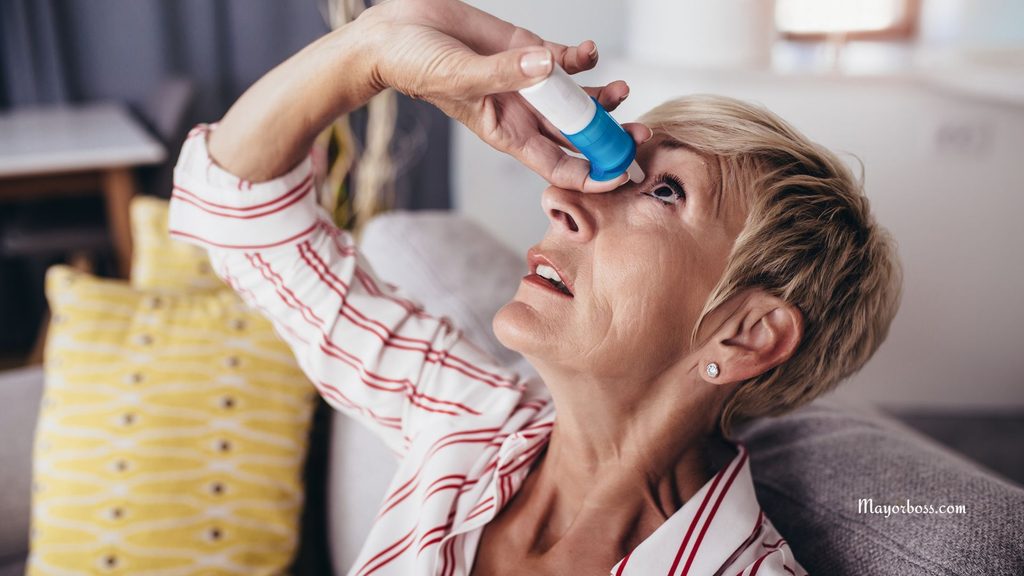
How often can you use artificial tears?
There isn’t one schedule that works for everyone. Some people get enough relief from using artificial tears once daily. Others need several applications throughout the day.
For occasional dryness, follow the package directions and use the drops when needed. If you have chronic dry eye, your optometrist may recommend regular use, even when your eyes feel comfortable.
Check the label for both the number of drops per application and how often to use them. Different products have different instructions.
Does the type of eye drop matter?
Yes. Before increasing how often you use eye drops, check whether they contain preservatives.
| Type of eye drop | General guidance |
|---|---|
| Artificial tears with preservatives | Usually suitable for occasional use, generally up to four times daily; follow the label. |
| Preservative-free artificial tears | Generally preferred when you need drops more than four times daily or have moderate to severe dryness. |
| Prescription dry eye drops | Use exactly as prescribed; don’t increase the frequency on your own. |
Preservatives help discourage bacterial growth after a bottle is opened. However, repeated exposure can irritate the surface of your eyes, particularly if they’re already very dry.
Preservative-free drops avoid these additives. They may come in single-use vials or specially designed multidose bottles. Check the packaging rather than assuming every small bottle is preservative-free.
Can you use dry eye drops too often?
Frequent use of preserved artificial tears can contribute to irritation. If your eyes sting more or feel increasingly uncomfortable, adding more of the same drops may not help.
Preservative-free artificial tears can be used more frequently when appropriate. Still, needing drops every hour—or getting only brief relief—is a reason to arrange an eye exam.
Dry eye can involve reduced tear production, tears that evaporate too quickly, or problems with the eyelid oil glands. Lubricating drops may ease symptoms without fully addressing the cause.
Choose products labeled “artificial tears” or “lubricating eye drops.” Drops marketed mainly to reduce redness aren’t a good substitute for treating dry eye.
What about gels, ointments, and prescription drops?
Lubricating gels and ointments are thicker than standard drops and may provide longer-lasting relief. They can temporarily blur your vision, so ointments are often most convenient before bedtime.
Prescription treatments work differently from ordinary artificial tears. Some target inflammation or help improve tear production. Their dosing depends on the medicine.
Follow your prescribed schedule even if you also use artificial tears. Ask your pharmacist or optometrist how to space different eye medicines. Steroid eye drops require medical supervision and aren’t appropriate for routine, unsupervised treatment.
How can you use eye drops safely?
Good technique helps keep the product clean:
- Wash your hands before using the drops.
- Keep the bottle tip away from your eye, eyelashes, fingers, and other surfaces.
- Follow the expiration date and instructions about disposal after opening.
- Discard single-use vials as directed.
- If you wear contact lenses, check whether the drops are compatible and whether you must remove your lenses first.
Stop using a product and contact a healthcare professional if it causes new pain, discharge, vision changes, or worsening discomfort.
When should you see an eye doctor?
Arrange an appointment with an optometrist if dryness persists, affects daily activities, or doesn’t improve with artificial tears. Frequent reliance on drops also deserves assessment.
Seek urgent eye care for significant pain, sudden vision changes, marked redness, or new sensitivity to light. These symptoms shouldn’t automatically be treated as simple dryness.
Takeaway
Use artificial tears according to the label and your symptoms. If you regularly need them more than four times a day, choose preservative-free drops and discuss ongoing dryness with an eye doctor. Use prescription eye drops only on their prescribed schedule.
Sources
- Mayo Clinic: Artificial tears
- Mayo Clinic: Dry eyes—diagnosis and treatment
- Mayo Clinic: Dry eyes—symptoms and causes
- American Academy of Ophthalmology: What is dry eye?
- FDA: What you should know about eye drops
Was this helpful?
Your feedback helps us improve our articles.