7 Pest-Repelling Herbs That Make Great Companion Plants
Some herbs can help lower pest pressure in a vegetable garden when used as companion plants. Some strong choices are basil, chives, dill, mint, and thyme. These herbs can help in different ways, such as giving off scents that pests avoid or drawing in helpful insects that feed on common garden pests. Results can vary, so they work best as one part of a smart garden plan, not as the only line of defense.
If you have ever watched healthy plants get chewed up almost overnight, you know how frustrating garden pests can feel. You water, weed, and wait for growth, only to find holes in leaves or whole stems under attack. That is why companion planting gets so much attention. It offers a simple idea many gardeners love: place the right plants together, and let nature do some of the work.
There is some truth to that idea. Extension at the University of Minnesota sources explain that companion plants may help in a few ways. Some give off strong scents that can confuse or repel pests. Others attract helpful insects, such as hoverflies and tiny wasps, that feed on soft-bodied pests and caterpillars. More plant diversity can also make it harder for pests to lock onto one crop.
That balanced view is the best one to keep in mind. A few well-chosen herbs can support your garden, smell great, and give you fresh flavor for the kitchen, too. Here are seven herbs worth adding.
Basil
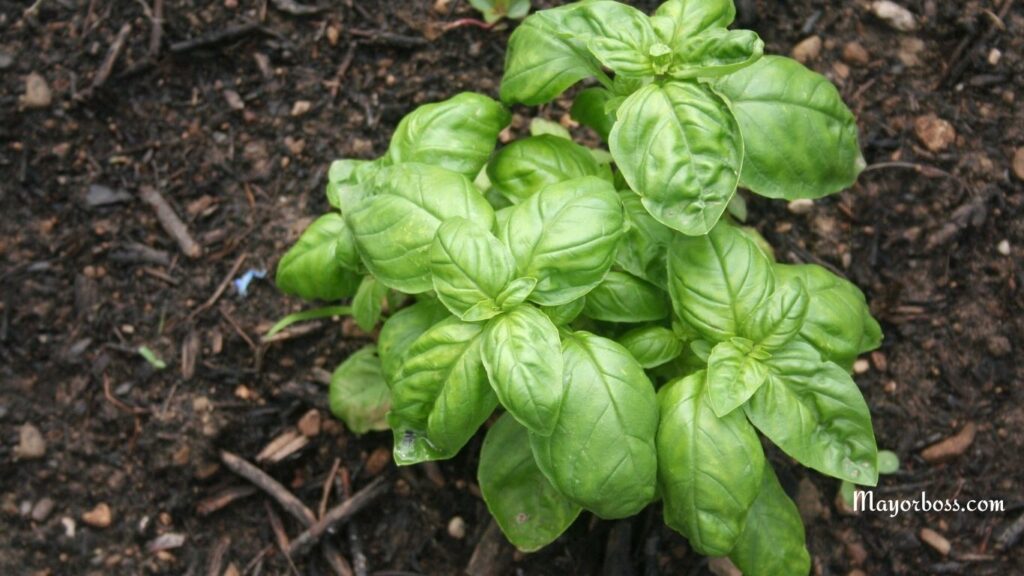
Basil is one of the most popular companion herbs for a reason. North Carolina Cooperative Extension notes that basil is a strong match for tomatoes, and other extension sources say it can help repel pests such as thrips, flies, and mosquitoes. Some guides also pair it with peppers and asparagus, which makes it a flexible choice in a home garden.
In practical terms, basil is a smart herb to tuck into sunny spots near tomatoes and peppers. It will not create a pest-free zone, but its scent can help mix up the smell signals that pests use to find their target plants. On top of that, you get an herb you will actually use. That makes basil one of the easiest companion plants to justify, even in a small bed.
Chives
Chives do more than add flavor to eggs and soups. Extension sources describe chives as excellent companions for vegetables, especially carrots and tomatoes. They are often recommended for help with aphids, Japanese beetles, and cucumber beetles. Some guidance also points to the benefits of being near roses.
This makes chives a very useful herb for gardeners who want one plant that fits several spots. Their onion-like smell is the main reason they are so often suggested in companion planting. Tuck them near crops that tend to attract chewing or sap-sucking pests, and let them pull double duty as an edible border plant.
Dill
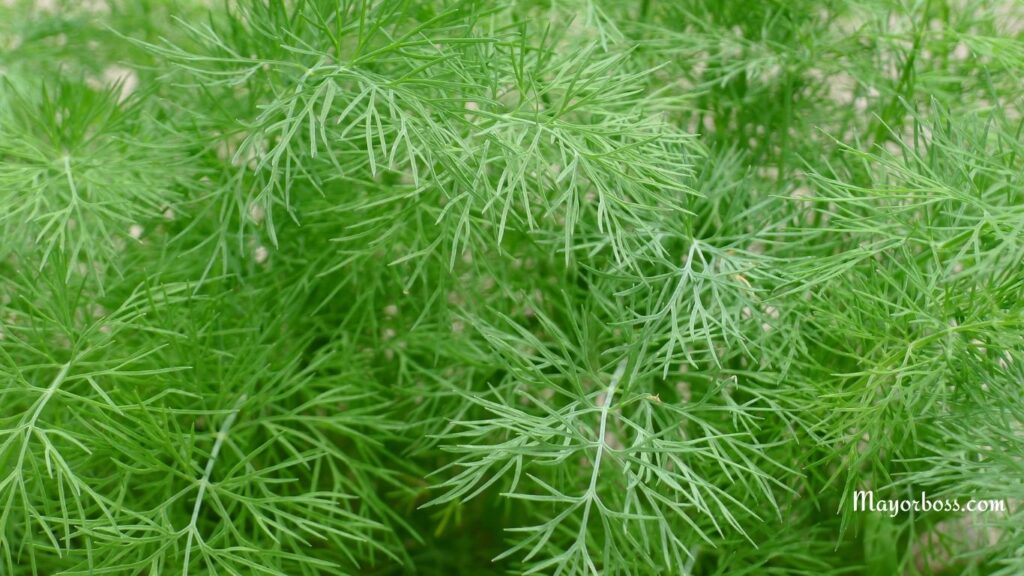
Dill deserves more credit in the garden. It is not just a kitchen herb. When dill flowers, it can attract hoverflies, predatory wasps, ladybugs, and other helpful insects. Extension and university sources also note that dill can help around cole crops and may distract or reduce pests such as aphids, mites, cabbage loopers, and some beetles.
That is what makes dill so valuable. Instead of only trying to push pests away, dill can also call in natural helpers. This is often the more reliable side of companion planting. A garden that supports helpful insects tends to be steadier over time. Set dill near cabbage family crops, lettuce, cucumbers, or onions, and let some plants flower for the biggest effect.
Mint
Mint has a strong scent, and that is the reason it keeps showing up on companion planting lists. University of Georgia and Oregon State sources note that mint may help repel cabbage moths, ants, aphids, mosquitoes, flea beetles, and a few other pests. That sounds great, and in many gardens it can be useful near cabbage family crops and tomatoes.
There is one catch, and it is a big one. Mint spreads aggressively. Left alone, it can crowd out nearby plants fast. For that reason, extension advice often recommends keeping mint in containers. You still get the strong scent and the companion benefit, but you avoid turning one helpful herb into a garden problem.1
Rosemary
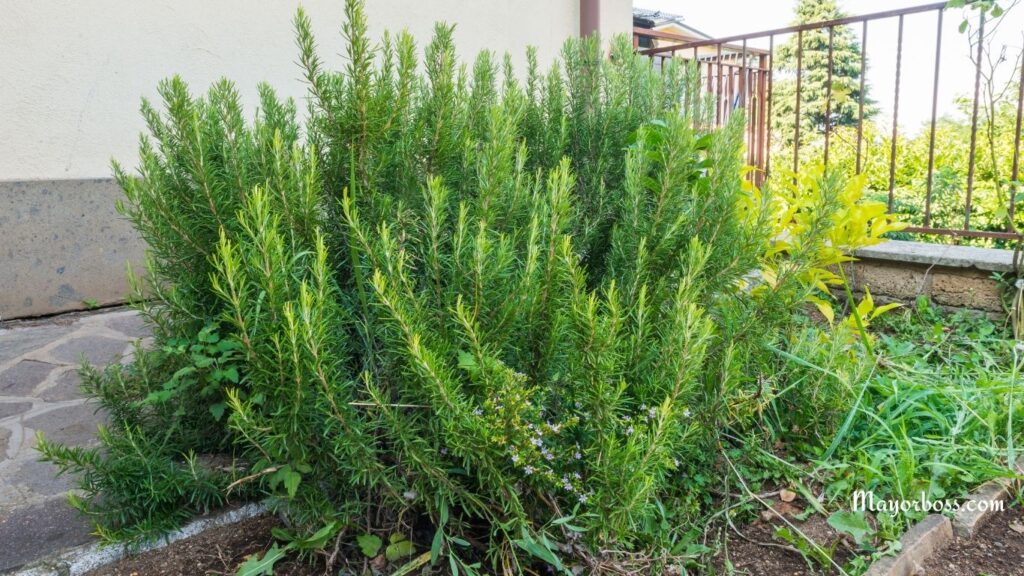
Rosemary is another herb with a scent pests seem to dislike. North Carolina sources note that rosemary can help deter cabbage moths, bean beetles, and carrot flies. Wisconsin guidance also lists it as a useful ally near beans and cabbage family crops.
This makes rosemary a smart pick for gardeners growing beans, cabbage, carrots, or mixed raised beds. It is also a strong landscape plant, so it can earn its place even outside the vegetable patch. Give it sun and good drainage, and it can serve as both a kitchen herb and a working plant in your pest plan.2
Sage
Sage often gets overlooked, but it has real value as a companion plant. Extension sources connect sage with lower pressure from cabbage moths, carrot flies, beetles, flea beetles, and even cabbage worms in some settings. It is often recommended near brassicas and carrots.
That makes sage especially useful if caterpillars and leaf damage keep showing up in the same part of your garden. Its strong scent is the main reason it is suggested in pest management. It also brings structure and beauty to a bed, which is a nice bonus when you want your garden to work hard and still look good.
Thyme
Thyme may be small, but it has strong companion value. University of Minnesota points to research showing that sage and thyme reduced diamondback moth numbers on Brussels sprouts in greenhouse work. The same source also notes that thyme helped reduce cabbage looper and imported cabbage worm damage in broccoli in an Iowa study. Other extension guides say thyme can help deter cabbage worms and whiteflies.3
That is impressive for such a low-growing herb. Thyme fits well at bed edges, around brassicas, and near crops that benefit from more pollinator traffic. It is a good example of how companion planting does not always have to be dramatic. Sometimes a small herb, placed well, can quietly help the whole bed.
How to get better results from companion herbs
The biggest mistake gardeners make is expecting herbs to solve every pest problem on their own. Extension guidance is clear on this point. Companion planting can help, but it works best as part of a bigger approach that includes crop rotation, healthy soil, regular checks for damage, and support for beneficial insects.
It also helps to think about function. Some herbs, such as mint, basil, rosemary, and sage, are valued mostly for their strong scent. Others, such as dill and thyme, help support beneficial insects as well. When you mix both types into your beds, you give yourself a better chance of seeing results.
The bottom line
If you want a garden that feels more balanced and less vulnerable to pests, companion herbs are a smart place to start. Basil, chives, dill, mint, rosemary, sage, and thyme all have a good case behind them. Some may repel pests. Some may attract the insects you want on your side. Most do a little of both.
FAQs
What is the best pest-repelling herb for a vegetable garden?
There is no single best herb for every garden. Basil, chives, dill, mint, rosemary, sage, and thyme all show promise, but the best choice depends on what you grow and which pests show up most often. Dill stands out for attracting beneficial insects, while rosemary, sage, mint, and basil are often chosen for their strong scent.
Do companion plants really repel pests?
Sometimes they do, and sometimes the effect is limited. University sources say companion planting can work through scent, pest confusion, and support for beneficial insects, but they also warn that many popular claims are stronger in garden tradition than in hard proof.
Which herbs attract beneficial insects?
Dill is one of the best-known herbs for this job, especially once it flowers. Thyme, basil, rosemary, and mint can also support helpful insects at different times. These insects may help control aphids, caterpillars, and other common pests.
Should mint be planted directly in the garden?
Usually, no. Extension advice often recommends keeping mint in containers because it spreads very fast and can take over a bed. You can still place the container close to crops that may benefit from its scent.
Can I rely on herbs instead of other pest control methods?
No. Herbs are best used as one part of a broader plan. Healthy soil, regular garden checks, crop rotation, and support for beneficial insects are still important. Companion planting works best when it supports those habits, not when it replaces them.