
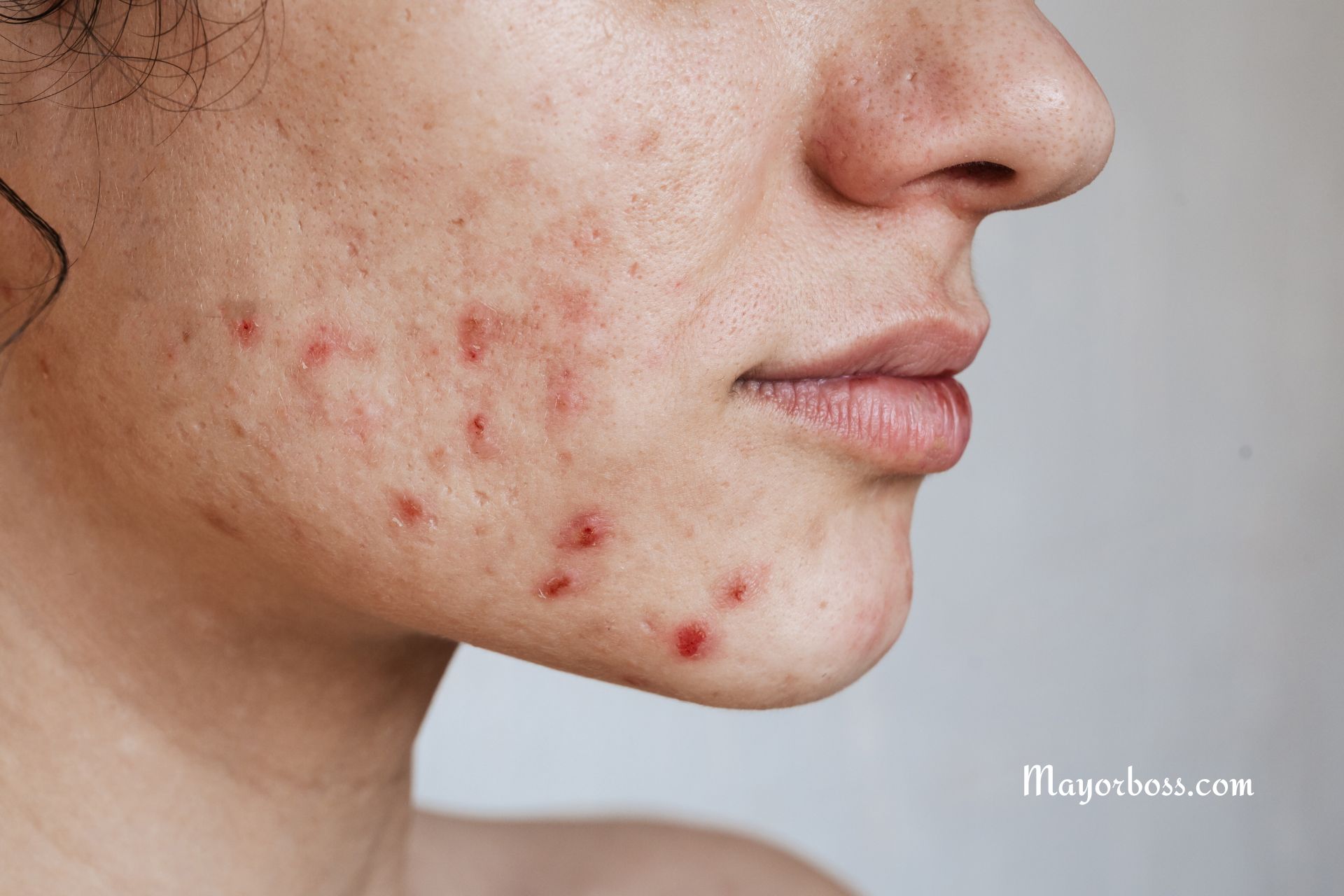
If you want a proven over-the-counter acne treatment that can calm red, inflamed pimples, benzoyl peroxide is a strong option. Start with a small amount, use a thin layer on acne-prone skin, moisturize, and increase use slowly to limit dryness.
Quick routine
- Wash with a gentle cleanser and pat skin dry.
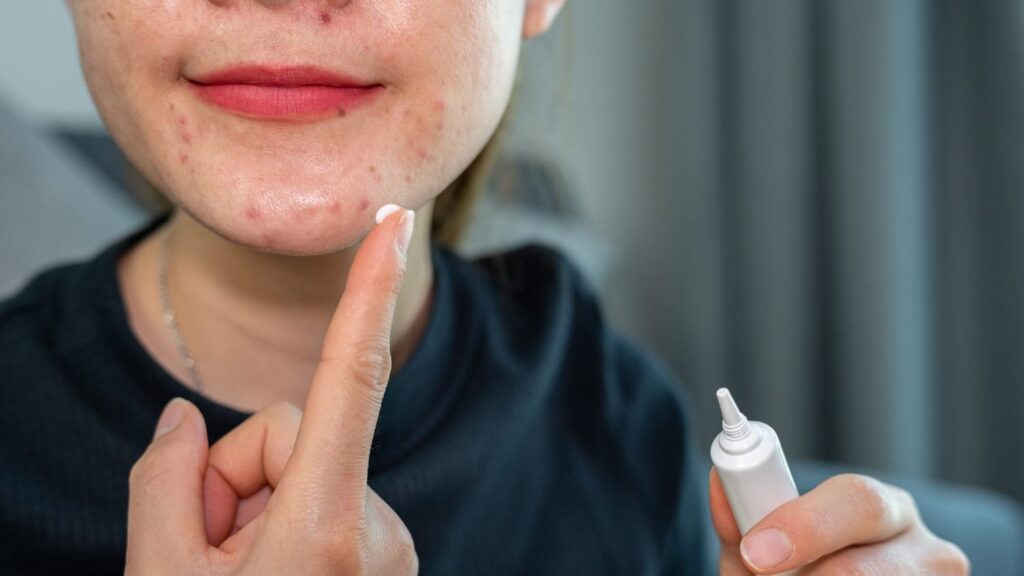
- Apply a pea-sized amount of 2.5% benzoyl peroxide in a thin film over acne-prone areas.
- Start every other night for one week, then move toward once daily if your skin feels calm.
- Add a plain moisturizer after it dries.
- Use sunscreen every morning.
What benzoyl peroxide does for acne
Acne often starts when pores clog, and the skin gets irritated. Benzoyl peroxide helps in three main ways. It lowers the amount of acne-causing germs on the skin, calms swelling, and helps keep pores clearer. Dermatology guidelines list it as a key treatment for acne, alone or paired with other medicines.1
Pick the right strength and product
Benzoyl peroxide comes in gels, creams, lotions, and washes. It also comes in different strengths, often 2.5%, 5%, and 10%.
For most people, starting with 2.5% is smart. Research has found 2.5% can work as well as higher strengths, with less irritation.2
Choose a form that fits your life.
- Leave on gel or cream: best for face acne when you can tolerate it.
- Wash off cleanser: useful for chest and back acne, or when you want a gentler feel.
Start gently so your skin can adjust
The most common reason people quit benzoyl peroxide is irritation, not lack of results. You can avoid that with a slow start. Before first use, test a small amount on one or two small acne areas for three days. If your skin stays comfortable, move to regular use.3
Use a simple plan to build tolerance.
- Week 1: every other night
- Week 2: nightly if skin feels fine
- After that: once daily, or twice daily only if the label says so, and your skin stays calm
Some people do well with once daily long term. More is not always better.4
A simple routine for morning and night
Consistency is what helps. Benzoyl peroxide works best when it reaches the skin often, not when you use it only on a new pimple.
Morning
Wash your face with a gentle cleanser. Avoid scrubs and harsh astringents, which can inflame acne. If you use benzoyl peroxide in the morning, apply a thin layer to acne-prone areas. Keep it away from the corners of the nose, lips, and eyes.
Wait a few minutes. Then apply moisturizer. Finish with sunscreen. Sun protection helps prevent dark marks after acne heals, and it protects skin that feels more sensitive.5
Night
Cleanse and pat dry.
Apply a pea-sized amount over the areas where you get breakouts, not only on each spot. This approach helps prevent new pimples.
Let it dry, then moisturize. If you also use a night treatment such as adapalene, do not start both at the same time. Start with one product first, then add the other after your skin settles. Your clinician can guide you on pairing treatments.6
How much to use
Use a thin film, not a thick coat. A pea-sized amount is enough for the full face in many people. Too much product raises dryness, redness, and peeling. If you treat the chest or back, use just enough to lightly cover the acne-prone area. Always wash your hands after application.
What to avoid while using benzoyl peroxide
A few habits can make irritation worse or cut results.
- Do not scrub or use rough exfoliating tools.
- Avoid stacking strong acne products at the same time at first.
- Do not use on broken skin or after shaving if you feel stinging.
- Keep it off hair and fabric. It can bleach towels, pillowcases, and shirts.
If you use face makeup, choose products that say non-clogging.
Normal side effects vs warning signs
Mild dryness, peeling, redness, and a little stinging are common early on. If this happens, cut back the frequency. Some people pause for a few days, then restart less often. 7
Stop using it and seek urgent care if you get signs of a true allergy, such as hives, swelling of the face or lips, or trouble breathing. Allergic reactions are rare, but they can happen. 8
How long until you see results
This is the part that tests your patience. Many people notice less redness and fewer new inflamed pimples after four to six weeks. For some, it takes longer. If you see no improvement after eight to twelve weeks of steady use, it is time to talk with a clinician about other options.9
When to see a clinician
Over-the-counter care is great for mild acne. Still, you should reach out for help when:
- You have deep, painful bumps, widespread acne, or acne leaving scars.
- Acne affects your mood or confidence.
- You are pregnant, nursing, or treating a young child and want the safest plan.
Frequently asked questions
Should I use benzoyl peroxide as a spot treatment
You can, but it often works better as an area treatment. Put it on the zones where acne forms, such as the forehead, cheeks, and chin.
Can I use benzoyl peroxide every day
Yes, if your skin tolerates it. Many people start every other day, then increase. If your skin gets dry, drop back to once daily or every two days.
Can I use benzoyl peroxide with salicylic acid or retinoids
It depends on your skin. Combining strong products can cause irritation. If you plan to combine, introduce one first, then add the other later, and use a moisturizer. Consider medical guidance for a plan that fits your acne type.
Will benzoyl peroxide fade dark spots
It can help prevent new inflamed pimples that lead to dark marks. It is not a main dark spot treatment. Sun protection is still important.
What if benzoyl peroxide burns
A mild sting can happen early on. If you feel burning pain, stop, rinse off, and let your skin calm. Restart less often, use a lower strength, or switch to a wash. If burning keeps happening, speak with a clinician.
References:
- https://www.jaad.org/article/S0190-9622%2823%2903389-3/fulltext ↩︎
- https://pubmed.ncbi.nlm.nih.gov/2948929/ ↩︎
- https://www.mayoclinic.org/drugs-supplements/benzoyl-peroxide-topical-route/description/drg-20062425 ↩︎
- https://www.nhs.uk/medicines/benzoyl-peroxide/how-and-when-to-use-benzoyl-peroxide/ ↩︎
- https://www.mayoclinichealthsystem.org/hometown-health/speaking-of-health/tips-for-managing-teen-acne ↩︎
- https://patient.info/medicine/benzoyl-peroxide-for-acne-acnecide ↩︎
- https://www.nhs.uk/medicines/benzoyl-peroxide/side-effects-of-benzoyl-peroxide/ ↩︎
- https://www.msdmanuals.com/professional/multimedia/table/medications-used-to-treat-acne ↩︎
- https://www.nhs.uk/medicines/benzoyl-peroxide/ ↩︎