
April is a strong time to plant cool-season vegetables like lettuce, spinach, peas, carrots, radishes, beets, kale, onions, broccoli, and potatoes in many regions. These crops handle cool air and light frost better than warm-season plants, and several can go into the ground as soon as the soil is workable. Tomatoes, peppers, and other heat-loving crops usually need warmer conditions and often do better later.
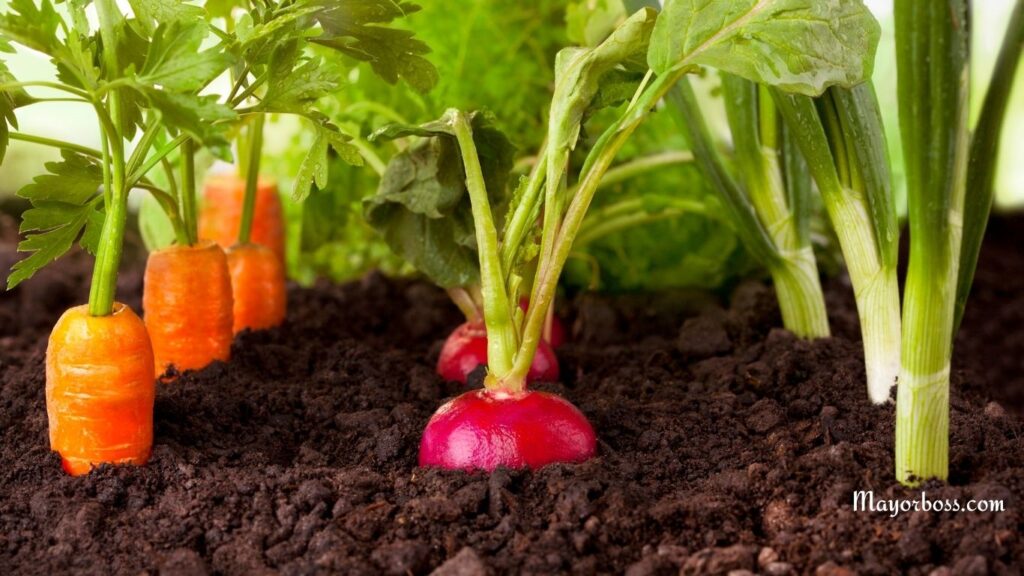
April can feel tricky.
One day feels like spring. The next feels like winter came back for one more round.
That is exactly why many gardeners get stuck. They wait too long because the weather looks uncertain. Then, before they know it, the best window for cool-season crops has started to close.
The good news is that April is not too early for many vegetables. In fact, for some of them, it is the right time.
University extension guidance shows that many cool-season crops can go into the garden in early to mid-spring, often as soon as the soil can be worked. These vegetables grow well in cool weather and often struggle once real heat moves in.
Why April planting works so well
If you have ever planted too late, you know the feeling.
Seeds sit there. Greens turn bitter fast. Root crops stay small. Peas look tired before they ever really get going.
Cool-season vegetables want cool soil and mild air. Some can handle light frost. Others still grow well while nights stay chilly. That is why April gives them a better start than late spring in many places. Pennsylvania Extension sources note that peas, spinach, lettuce, onions, radishes, carrots, beets, kale, broccoli, and cabbage all fit this cooler planting window.
Before you plant, check two simple things. First, make sure the soil is not soggy. Second, know your local frost pattern. Cool-season vegetables are forgiving, but waterlogged soil and hard freezes can still cause trouble. Potatoes, for example, can rot in cold, wet ground if planted too early.
1. Lettuce
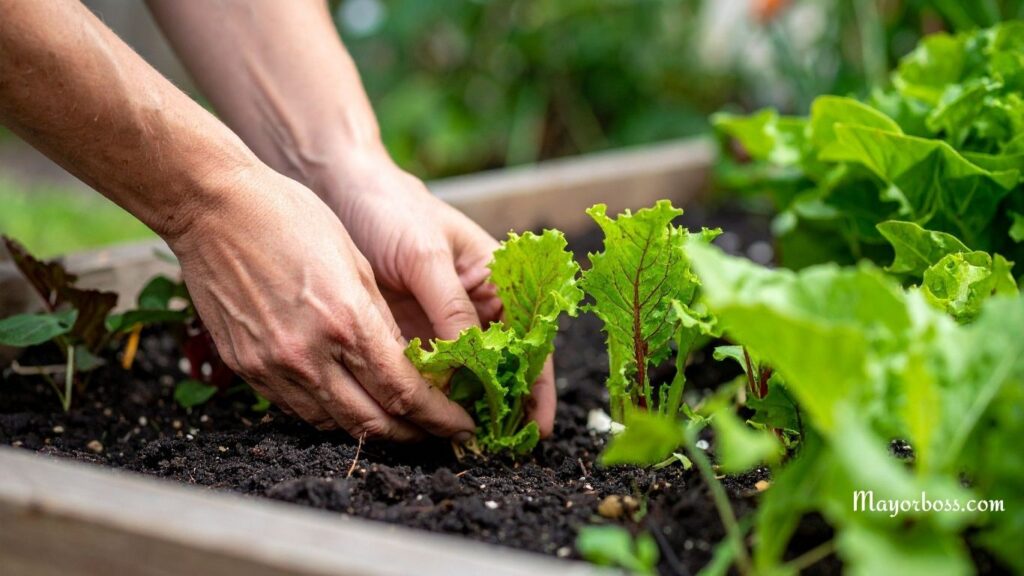
Lettuce is one of the smartest April choices.
It grows fast, does well in cool weather, and gives you an early reward when the garden still looks quiet. Leaf lettuce also works well for repeat planting, so you can sow a little now and a little later for a longer harvest. University of Minnesota Extension guidance lists lettuce among crops that can be planted in mid-April, and leaf lettuce can often be planted more than once in a season.
2. Spinach
Spinach loves the kind of weather many people complain about in April.
Cool days help it grow tender leaves. Once heat arrives, it often rushes toward the seed, and the harvest window shrinks. Extension guidance recommends sowing spinach as soon as the soil is workable in spring, with repeat sowing every one to two weeks for a steady supply until warmer weather takes over.
3. Peas
Peas are one of those crops that reward people who plant on time.
Wait too long, and warmer weather can cut the season short. Plant in April, and you give them a better chance to climb, flower, and fill out before summer heat arrives. University of Minnesota Extension guidance sources list peas as classic cool-season vegetables and place them in the spring planting window.
4. Carrots
Carrots ask for patience, but April gives them a strong start.
They grow best in loose soil, and they appreciate cool conditions while getting established. University of Minnesota Extension guidance places carrots in the spring planting window, often from mid-April forward in colder regions and late March to early May in others.
5. Radishes
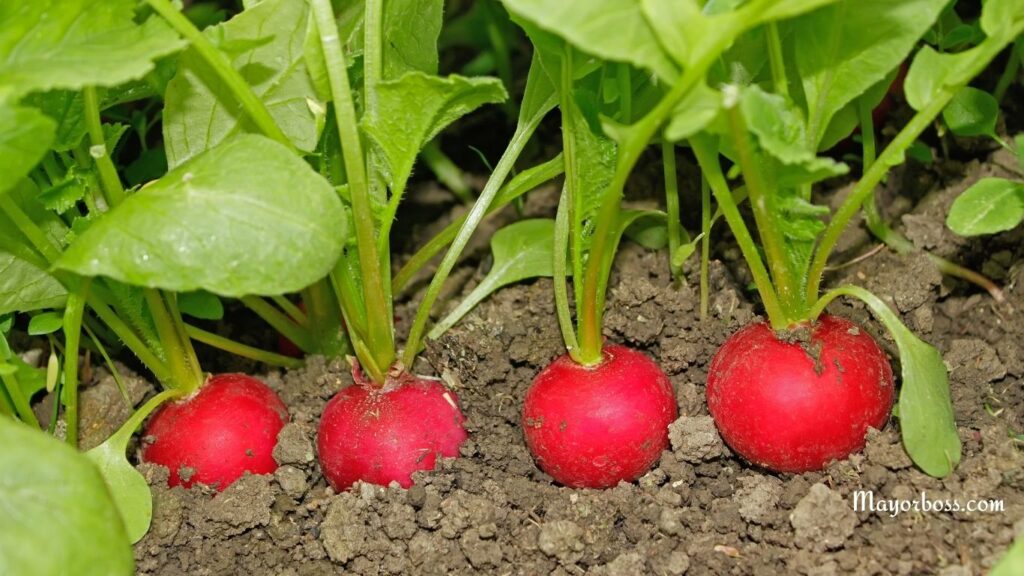
If you want a fast win, plant radishes.
They sprout quickly, mature fast, and help you feel that the season has truly started. They also fit well between slower crops. University of Minnesota Extension recommendations place radishes in the early spring planting window, and they are often ready much sooner than most garden vegetables.
6. Beets
Beets deserve more attention in spring gardens.
They handle cool weather well, and you get two harvests in one plant: roots below ground and greens above it. Beets are a cool-season crop that can be planted from spring into early summer, with light frost tolerance at maturity.
7. Kale
Kale is tough in the best way.
It handles cool air well and often tastes better when grown in cooler weather. That alone makes April a great time to get it started. Kale is among the frost-tolerant vegetables and supports spring planting for this crop.
8. Onions
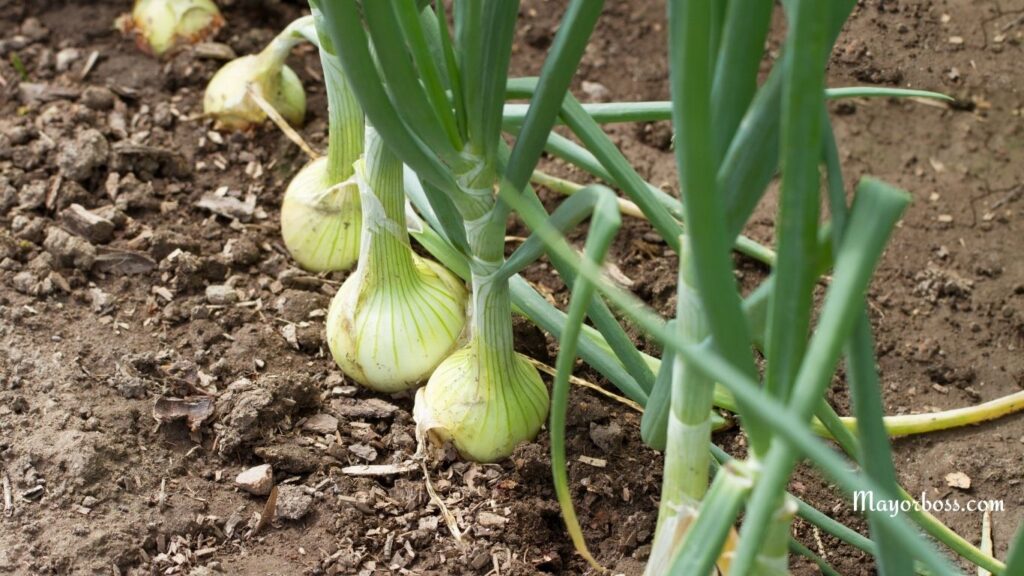
Onions are easy to overlook because they do not seem exciting at planting time.
Still, getting them in early is a smart move. University of Minnesota Extension sources include onion seeds, sets, and transplants among early spring options, and onions fit well into the cool-season window.
9. Broccoli
Broccoli is another vegetable that prefers a cooler start.
When planted too late, it can struggle once hot weather moves in. April planting gives it a better shot at steady growth before summer stress sets in. Broccoli is among the early spring crops, and notes that cool-season vegetables generally perform best in cooler conditions.
10. Potatoes
Potatoes are a little different from the rest on this list, but they still belong here.
They can go in during early spring, though timing matters. Planting in soil that is too cold and wet raises the risk of rot. Illinois Extension notes that potatoes can go in as soon as the ground can be worked, with soil temperatures around 45°F or higher, and that planting too early in damp, cold ground can cause problems.
A few planting mistakes to avoid
The biggest mistake is not planting late alone. It is planting without looking at conditions.
If the soil is muddy, wait. If a hard freeze is coming, protect young plants or hold off. If you are setting out transplants, harden them off first so sun, wind, and cool nights do not shock them. Extension guidance recommends gradually exposing transplants to outdoor conditions over about 10 to 14 days before planting.
Another common mistake is mixing up cool-season crops with warm-season crops.
April is a fine time for many greens, roots, peas, onions, and brassicas. It is often too early for tomatoes, peppers, squash, cucumbers, and eggplant unless your local climate is already warm enough or you have protection in place. Maryland Extension guidance warns that warm-season crops need warmer conditions and that late frost still remains a risk in spring.
The real reason not to wait
A lot of people think they are late only when summer arrives.
That is not always true.
For cool-season vegetables, late can begin much sooner. These crops are built for the softer part of the season. Give them that window, and they usually repay you with better growth, better flavor, and less frustration.
So if your soil is workable and your weather is within range, April is not the month to keep hesitating.
It is the month to plant.
FAQs
What vegetables are best to plant in April?
In many regions, the best April vegetables are lettuce, spinach, peas, carrots, radishes, beets, kale, onions, broccoli, and potatoes. These crops handle cool weather better than warm-season vegetables.
Is April too early to plant a vegetable garden?
Not for cool-season crops. Many extension guides recommend planting several vegetables in early to mid-spring, often as soon as the soil can be worked. Warm-season crops usually need more time.
Can I plant tomatoes in April?
Sometimes, but it depends on your local weather. Tomatoes do not handle frost well, so they usually need warmer conditions than crops like lettuce or peas.
What should I check before planting in April?
Check whether the soil is workable and not soggy. Also, check your local frost outlook. Cold, wet soil can damage some crops, especially potatoes.
Was this helpful?
Your feedback helps us improve our articles.