
In May, grow warm-season foods such as tomatoes, peppers, cucumbers, squash, beans, corn, melons, basil, carrots, beets, and leafy greens. The best choices depend on your last frost date, soil warmth, and local weather. Wait until nights stay mild before planting tender crops outside.
May is one of my favorite months on the farm.
The soil starts to warm. The days stretch longer. The garden no longer looks like a plan on paper. It starts to look like food.
But May can fool you if you rush. A sunny afternoon does not always mean the soil is ready. Warm-season crops need steady warmth, not one good day.
Minnesota University extension guidance says frost risk and soil temperature should guide planting dates. Warm-season crops such as tomatoes, peppers, cucumbers, squash, beans, corn, basil, and melons should go out after frost danger has passed and the soil has warmed well.1
Tomatoes
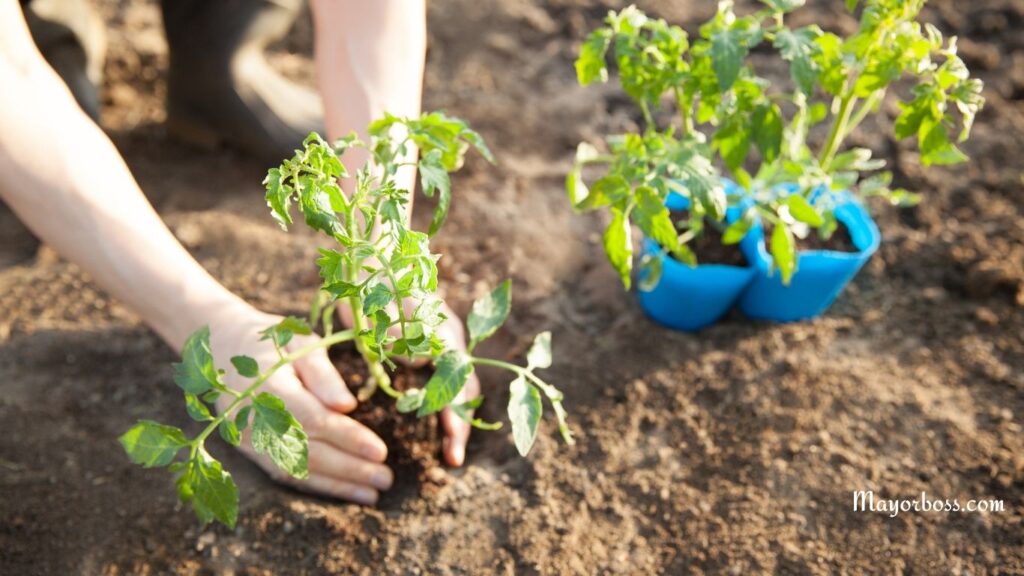
Tomatoes are one of the best foods to plant in May.
If your nights are no longer cold, set young tomato plants into the garden. Give them full sun and steady water. Plant them deep enough so the stem can grow more roots.
That gives the plant a strong start.
Tomatoes need support early. A cage, stake, or simple frame keeps the fruit off the ground. It also makes picking easier later.
Choose cherry tomatoes if you want fast harvests. Choose paste tomatoes if you make sauces. Choose slicing tomatoes if you want thick, juicy fruit for meals.
Peppers
Peppers like warmth even more than tomatoes.
I do not rush peppers into cold ground. They sit there and sulk. Their leaves may turn pale, and the plant may stop growing.
Wait until the soil feels warm and the nights are settled. Plant sweet peppers, bell peppers, or hot peppers in a sunny place.
Give each plant enough space for air to move around it. Water near the soil, not over the leaves.
Peppers grow slowly at first. Be patient. Once the summer heat comes, they often take off.
Cucumbers
Cucumbers are a good May crop because they grow fast.
You can plant cucumber seeds straight into the garden once the soil is warm. You can also use young plants if you want a faster start.
Cucumbers like rich soil and steady moisture. If they dry out too often, the fruit may taste bitter.
A simple trellis helps keep the vines clean. It also saves space. For small gardens, this is a wise choice.
Pick cucumbers when they are still young and firm. The more you pick, the more the plant tries to produce.
Beans
Beans belong in almost every May garden.
They are simple to grow. They do not ask for much. They also give steady harvests if you keep picking them.
Bush beans stay low and compact. Pole beans climb and need support.
Plant bean seeds straight into warm soil. Do not soak the ground too much after planting. Seeds can rot in wet, cold soil.
Illinois Extension planting guidance lists snap beans as a warm-season crop for May planting once temperatures are warm enough. It also notes that beans can be planted again every two weeks for a longer harvest.2
Sweet Corn
Sweet corn is worth growing if you have room.
Corn does best when planted in blocks, not one long row. This helps the plants pollinate each other. Better pollination means fuller ears.
Plant corn seed in warm soil. Keep the patch watered when tassels and ears form.
Corn feeds heavily, so start with good soil. Compost helps. So does steady watering.
For a small garden, corn may not be the best use of space. But if you have a larger patch, fresh corn from your own land is hard to beat.
Squash and Zucchini
May is a fine time for squash and zucchini.
These plants grow fast once the soil warms. One or two healthy plants can feed a family, so do not plant too many unless you plan to share.
Give squash room. The leaves get large. The plants need sun and airflow.
Pick zucchini while it is still tender. Large zucchini may look impressive, but smaller ones often taste better.
Squash can also grow well from seed. Plant after frost danger passes.
Melons
Melons are for gardeners who can give them sun, space, and patience.
Watermelon, cantaloupe, and muskmelon all like warm soil. They do not enjoy cold nights.
Plant them where vines can spread. If space is tight, choose smaller varieties.
Melons need steady water early. Later, as fruit ripens, too much water can weaken the flavor.
Do not plant melons in a shady corner. They need full sun to sweeten well.
Basil
Basil is one of the best herbs for May.
It grows well near tomatoes and loves warm weather. Plant it after cold nights have passed.
Keep cutting the tips to help the plant grow fuller. Do not let it flower too soon if you want more leaves.
Fresh basil can lift simple meals. Add it to tomatoes, eggs, soups, sauces, and salads.
It also grows well in pots, which makes it a good choice for patios and small spaces.
Carrots and Beets
May is not only for heat-loving crops.
In many areas, you can still sow carrots and beets. They grow best in loose soil with few stones.
Carrot seeds are small, so plant shallow and keep the soil moist until they sprout. Beets are easier. Their greens are edible too.
The University of Minnesota Extension lists carrots, beets, lettuce, spinach, onions, peas, radishes, and potatoes among cool-season crops that can grow in early spring conditions, while warmer crops should wait until the soil heats up.
Leafy Greens
Lettuce, spinach, Swiss chard, and kale can still work in May, especially in cooler regions.
The key is timing. Hot weather can make lettuce and spinach turn bitter or go to seed.
Plant leafy greens where they get morning sun and some afternoon shade if your May turns hot.
Swiss chard handles warmth better than spinach. Kale can also keep going if you harvest the outer leaves.
For a steady supply, plant a small amount at a time.
Potatoes and Sweet Potatoes
Potatoes can go into the ground in spring, and in some places May still works well.
Plant seed potatoes in loose soil. As the plant grows, pull the soil up around the stem. This helps protect the forming potatoes.
Sweet potatoes need more heat. They grow from slips, which are young shoots. Plant them when the soil is warm and the nights are mild.
Sweet potatoes love the sun. Give the vines space.
What I Would Plant First in May
If I had to choose the best May crops for most gardens, I would start with tomatoes, peppers, cucumbers, beans, zucchini, basil, carrots, and beets.
That gives you fresh food for salads, cooking, sauces, and snacks.
If you have more space, add corn, pumpkins, squash, melons, and potatoes.
If you have only a small garden, focus on crops that give a lot in little space. Tomatoes, beans, cucumbers on a trellis, basil, lettuce, and peppers are good choices.
Check Your Weather Before You Plant
Before you plant, check your local frost dates.
This one habit saves crops.
A cold night can damage tender plants. Frost can kill young tomatoes, peppers, cucumbers, melons, and basil. Illinois Extension explains that warm-season crops do not grow well in lower temperatures and should go out after the average last frost date.
Also, check the soil. If it feels cold and wet in your hand, wait a little longer.
Seeds need warmth to sprout. Roots need warmth to grow.
Prepare the Soil Before the Plants Go In
Good food starts with good soil.
Before planting, loosen the soil and remove weeds. Add compost if you have it. Compost helps the soil hold water and feed the plants.
Do not work the soil when it is too wet. Wet soil can pack down hard. Roots struggle in packed soil.
After planting, water deeply. Then keep the soil moist, not soaked.
A layer of straw, leaves, or grass clippings can help hold moisture and reduce weeds.
Final Thoughts
May is a planting month, but it is also a thinking month.
Do not plant everything on one day just because the calendar says May. Look at the soil. Look at the nights. Look at the forecast.
Start with the crops that match your weather.
Then plant more as the month warms.
That is how a garden pays you back. Not with luck, but with steady care, good timing, and crops that fit the season.
FAQs
What vegetables are best to plant in May?
The best vegetables to plant in May include tomatoes, peppers, cucumbers, beans, corn, squash, zucchini, carrots, beets, lettuce, and Swiss chard.
Can I plant tomatoes in May?
Yes. May is a good time to plant tomatoes in many areas, as long as frost danger has passed and the nights are warm.
Can I plant seeds straight into the garden in May?
Yes. Beans, corn, cucumbers, squash, carrots, beets, and many greens can grow from seed in May when the soil is ready.
What should I not plant too early in May?
Do not rush peppers, tomatoes, cucumbers, basil, melons, and squash into cold soil. These crops need warmth.
What is the easiest food to grow in May?
Beans, zucchini, cucumbers, basil, and lettuce are some of the easiest foods to grow in May. They grow well with sun, water, and basic soil care.