
You step outside with friends, and within minutes, mosquitoes seem to choose you. Everyone else looks comfortable, while you are swatting your arms and checking your ankles for fresh bites.
You are not imagining it. Mosquitoes can prefer one person over another. They do not make that choice based on “sweet blood.” They follow signals from your breath, skin, body heat, sweat, clothing, and natural scent.
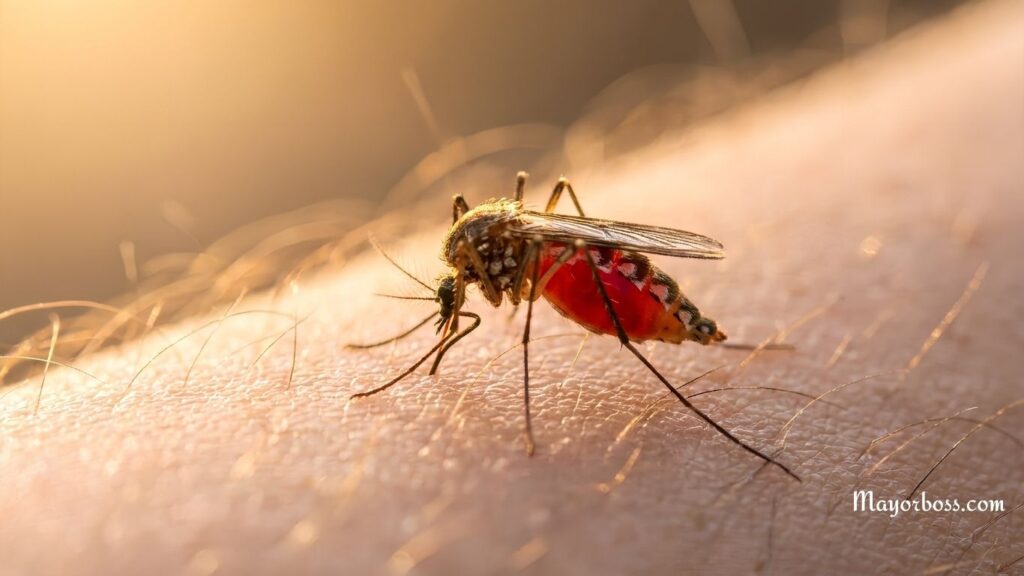
Mosquitoes Do Not Choose People at Random
Only female mosquitoes bite. They take blood because it helps them produce eggs. To find a person, they use several senses at once.
Your breath may alert them from farther away. Your body scent helps guide them closer. Heat and visual clues then help them choose where to land. Research shows that carbon dioxide, skin odor, and warmth work together during this search.1
This helps explain why two people standing beside each other may not receive the same number of bites.
Your Natural Skin Scent May Be the Main Reason
Every person releases a mix of odor chemicals from the skin. You may not notice these smells, but mosquitoes can detect them.
A 2022 study found that people who attracted more mosquitoes had higher levels of certain acids on their skin. These skin acids are part of the body’s normal scent. The people who attracted the most mosquitoes often stayed highly attractive for years.
This means frequent bites may have more to do with your normal body chemistry than with a soap, meal, or perfume you used that day.
These acids do not act alone. Mosquitoes respond to a blend of chemicals rather than a single smell. That blend can include acids, lactic acid, ammonia, and other substances released from skin and sweat.
The Carbon Dioxide in Your Breath Gives Away Your Location
Each time you breathe out, you release carbon dioxide. Mosquitoes have body parts that can sense this gas. It tells them that a living person or animal is nearby.
People who release more carbon dioxide may attract more attention. This can happen when you exercise, breathe heavily, or have a larger body size. During physical activity, you also make more heat and sweat, giving mosquitoes several signals at the same time.
You cannot stop breathing out carbon dioxide, of course. The useful step is to use stronger bite protection when you are active outdoors in an area with many mosquitoes.2
Heat and Sweat Can Bring Mosquitoes Closer
After a mosquito picks up your breath and skin scent, body heat can help it locate exposed skin. Studies show that mosquitoes use warmth along with odor and carbon dioxide when moving toward a person. Some species can also sense heat from very close range.
Sweat can raise your appeal as well. Fresh sweat contains water, salt, and lactic acid. As skin bacteria break down sweat, the smell changes. Some mosquitoes respond strongly to the odor of aged sweat and ammonia.
This is why you may get more bites after a workout, yard work, or time outdoors on a hot day.
A shower after heavy sweating may reduce some odor on the skin, but it will not change your natural scent for long. Repellent and clothing offer more reliable protection.
Skin Bacteria Help Create Your Body’s Scent
Your skin is home to many harmless bacteria. These bacteria break down sweat and skin oils, creating odor chemicals that float into the air.
The type and amount of bacteria vary from person to person. As a result, each person gives off a slightly different scent mix. Research has linked some bacterial odor chemicals with mosquito attraction.
This does not mean your skin is dirty. Frequent washing will not turn a person who attracts mosquitoes into someone they ignore. Your skin scent comes from normal body processes, not poor hygiene.
Your Genes May Play a Role
Some of your mosquito appeal may run in families.
In a study of identical and non-identical twins, identical twins had more similar levels of mosquito attraction. The researchers concluded that genes may help shape body odors that draw or repel mosquitoes.
Genes can affect skin oils, sweat, metabolism, and the bacteria that live on your skin. All of these can change the scent mosquitoes detect.
Still, genes are only one part of the story. Heat, breathing rate, clothing, activity, and the mosquito species nearby also affect who gets bitten.
Pregnancy May Increase Mosquito Attraction
Pregnant women may receive more mosquito bites, especially later in pregnancy.
One field study found that pregnant women attracted more malaria-carrying mosquitoes than women who were not pregnant. The researchers linked this to higher heat from the abdomen and greater carbon dioxide release through breathing.
Pregnancy also raises the need for bite prevention because some mosquito-borne infections can harm both the mother and baby. Registered repellents should be used according to the product label. CDC guidance supports registered repellents and protective clothing during pregnancy.
Clothing Color Can Make You Easier to Spot
Mosquitoes do not rely on smell alone. After detecting carbon dioxide, some species become more interested in certain colors and visual shapes.
Research on Aedes aegypti found greater attraction to colors such as red, orange, black, and cyan after the mosquitoes sensed carbon dioxide. Human skin can reflect reddish tones, regardless of skin color.
Dark clothes may also stand out against a light background. Wearing light-colored, loose clothing that covers the arms and legs may make you less visible and block access to the skin.
Color alone will not stop bites, so pair clothing with a proven repellent.
Does Blood Type Affect Mosquito Bites?
You may have heard that mosquitoes prefer type O blood. A small study found that Asian tiger mosquitoes landed more often on people with type O than type A. Yet the study included only a limited number of people, and later research has not given a clear answer for all mosquito species.
Mosquitoes cannot check your blood type before they bite. They respond first to signals outside the body, such as breath, scent, warmth, and visual cues.
Blood type may play a small role for some species, but current evidence gives stronger support to skin odor and carbon dioxide.
Are Mosquitoes Attracted to “Sweet Blood”?
“Sweet blood” is not a medical cause of mosquito attraction.
Having diabetes does not mean your blood tastes sweeter to a mosquito. A mosquito must find and land on you before it reaches your blood. Its first choice is guided by signals coming from your breath and skin.
If mosquitoes often bite you, this alone is not a sign of high blood sugar or another disease.
Why You May Notice More Bites Than Someone Else
Sometimes two people receive a similar number of bites, but one person develops larger, itchier bumps.
A mosquito bite causes a skin reaction to the insect’s saliva. Some people react more strongly, so their bites become red, swollen, and hard to ignore. Others may have tiny marks that fade fast.
This can make it seem as though mosquitoes chose only one person, even when both were bitten.
How to Reduce Mosquito Bites
You may not be able to change your natural body scent, but you can lower your exposure.
Use a registered insect repellent with an approved ingredient such as DEET, picaridin, IR3535, oil of lemon eucalyptus, para-menthane-diol, or 2-undecanone. Follow the product label, including age limits and directions for use.
Wear loose, long-sleeved shirts, long pants, and socks when mosquitoes are active. Thin, tight fabric may still allow bites through the cloth. Treated clothing and gear can add protection, but permethrin products should be used only as directed and should not be placed directly on the skin.
Keep mosquitoes out of your home by repairing window and door screens. Empty standing water from buckets, plant saucers, toys, and other containers because mosquitoes lay eggs near water.
A fan may also help on a porch or patio. Moving air can make it harder for mosquitoes to fly near you and can scatter the scent trail they follow.3
When a Mosquito Bite Needs Medical Care
Most mosquito bites cause short-term itching and swelling. Wash the area with soap and water, avoid scratching, and apply a cool cloth or covered ice pack to ease itching.
Get urgent medical help if a bite is followed by trouble breathing, swelling of the lips or throat, faintness, or a fast-spreading reaction.
Contact a doctor if you develop fever, severe headache, body aches, unusual weakness, joint pain, or a spreading rash after mosquito exposure. Tell the doctor about any recent travel and where the bites occurred. These symptoms can occur with mosquito-borne infections.
What This Means for You
Mosquitoes may choose you more often because of the scent coming from your skin, the carbon dioxide in your breath, your body heat, sweat, genes, pregnancy, or clothing.
The strongest research points to natural skin odor as a major reason. That scent can stay fairly steady over time, which is why some people seem to be lifelong mosquito targets.
You may not be able to change how mosquitoes sense you. You can still reduce bites with registered repellent, skin-covering clothes, window screens, and less standing water around your home.
References:
- https://pmc.ncbi.nlm.nih.gov/articles/PMC8906108/ ↩︎
- https://pubmed.ncbi.nlm.nih.gov/36261039/ ↩︎
- https://www.cdc.gov/mosquitoes/about/index.html ↩︎
Was this helpful?
Your feedback helps us improve our articles.