
Soaking your feet in warm water before bed may seem like a small habit, but it can make your evening feel calmer and more comfortable.
Warm water can relax tired feet, ease muscle tension, soften dry skin, and help your body settle down before sleep. For some people, it may even make falling asleep a little easier.
You do not need special ingredients or expensive products. A bowl of comfortably warm water and a few quiet minutes may be enough.
It May Help Your Body Prepare for Sleep
Your body naturally changes temperature as bedtime approaches. Your hands and feet play a part in this process because blood flow to these areas helps release body heat.
Placing your feet in warm water can increase blood flow near the skin. After you remove your feet from the water, your body begins releasing some of that heat.
This cooling process may send your body a signal that it is time to rest.
That does not mean a foot soak will treat insomnia. Still, adding it to a regular bedtime routine may help some people feel more relaxed and ready for sleep.1
Warm Water Can Relax Tired Feet
After standing, walking, or working all day, your feet may feel sore, tight, or heavy.
Warm water can help the muscles in your feet loosen. The heat may also reduce the feeling of stiffness around your toes and ankles.
This can feel especially soothing after a long day on your feet.
Gentle movement can help too. While soaking, slowly move your toes or roll your ankles a few times. Avoid stretching hard if your feet are painful or injured.
It Can Help You Feel Calmer Before Bed
Many people carry stress into the evening. You may be physically tired but still feel mentally alert.
A warm foot soak creates a simple period of quiet before sleep. The warmth can feel comforting, while sitting still gives your body time to settle.
Try soaking your feet without checking your phone or watching stressful news. Dim the lights and breathe at a normal, comfortable pace.
The routine itself may become a signal that the day is ending.
Warm Water Can Soften Dry Skin
Warm water can soften thick or dry skin on the feet, making it easier to care for afterward.
After soaking, gently dry your feet and apply moisturizer while the skin is still slightly damp. This can help reduce dryness and roughness.
However, avoid soaking for too long. Long or frequent soaks can remove natural oils from the skin and may make dryness worse.
About 10 to 15 minutes is enough for most people.
It May Temporarily Improve Circulation to the Feet
Warm water causes small blood vessels near the skin to open wider. This increases blood flow to the area for a short time.
Your feet may feel warmer and less stiff afterward.
However, foot soaking does not treat poor circulation caused by diabetes, artery disease, or other medical conditions. If your feet often feel cold, numb, painful, or change color, speak with your doctor.2
How Warm Should the Water Be?
The water should feel pleasantly warm, not hot.
Very hot water can burn the skin before you realize what is happening. This is especially dangerous for people who have reduced feeling in their feet.
Test the temperature before putting both feet into the water. If possible, use water around normal bath temperature.
Never use water that makes your skin sting, turn very red, or feel uncomfortable.
Who Should Be Extra Careful?
People with diabetes, poor circulation, nerve damage, open wounds, foot infections, or reduced sensation should ask a healthcare professional before making foot soaking a regular habit.
If you cannot clearly feel temperature in your feet, do not rely on touch alone to judge whether the water is safe.
Also avoid soaking feet with open cuts unless your doctor has advised it.
A Simple Bedtime Foot-Soak Routine
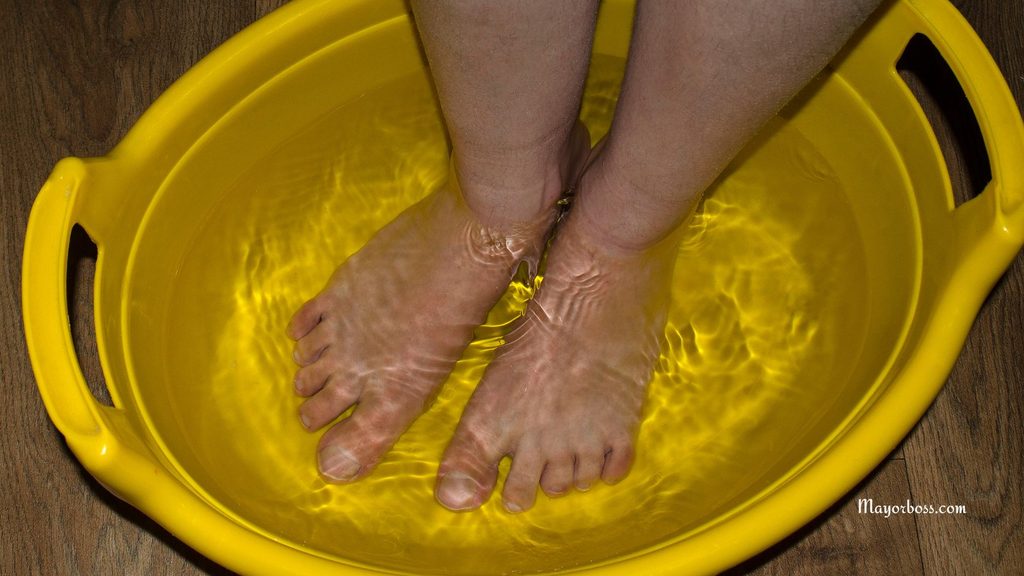
Fill a basin with comfortably warm water and soak your feet for about 10 to 15 minutes.
Dry them well afterward, especially between the toes. Apply moisturizer to dry areas, but avoid putting thick creams between the toes where moisture can collect.
Then put on clean socks if your feet tend to become cold.
A warm foot soak is not a cure for sleep problems or foot pain. But as part of a calm bedtime routine, it can help tired feet relax and make the transition to sleep feel more comfortable.
References:
- https://www.vinmec.com/eng/blog/how-good-is-it-to-soak-your-feet-in-hot-water-before-sleeping-en ↩︎
- https://www.webmd.com/pain-management/health-benefits-of-a-foot-soak ↩︎
Was this helpful?
Your feedback helps us improve our articles.