
Your heart suddenly pounds, races, flutters, or seems to skip a beat. Even a brief episode can leave you wondering whether something is wrong.
Heart palpitations are common and often harmless. Stress, poor sleep, caffeine, or exercise may bring them on. Sometimes, though, they point to an abnormal heart rhythm or another health problem. Other symptoms can show how quickly you need care.
What do heart palpitations feel like?
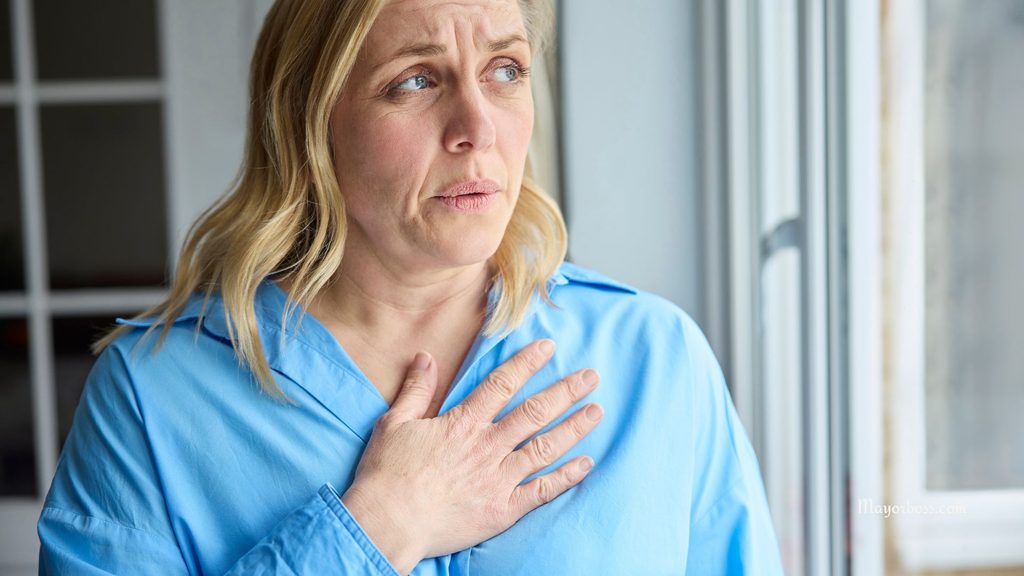
Palpitations make you aware of your heartbeat. You may feel pounding, fluttering, racing, or an extra beat in your chest, neck, or throat.
An occasional skipped beat that passes quickly and causes no other symptoms is often harmless. Yet how the episode feels cannot confirm the cause. Several heart rhythms may feel similar.
Common causes of heart palpitations
Everyday factors can make your heart beat harder or faster. These include:
- Stress, fear, or panic
- Lack of sleep
- Exercise
- Caffeine, alcohol, or nicotine
- Fever or dehydration
- Pregnancy or menopause
- Cold medicines that contain a decongestant
- Some asthma medicines, thyroid medicines, and supplements
Palpitations can also occur with anemia, an overactive thyroid, low blood sugar, changes in body salts, an abnormal heart rhythm, or heart disease.
When heart palpitations are an emergency
Call your local emergency number if the palpitations do not stop or occur with:
- Chest pain, pressure, or tightness
- Trouble breathing
- Fainting or feeling as though you may faint
- Severe dizziness, confusion, or sudden weakness
- Pain that spreads to the arm, jaw, neck, or upper back
- Heavy sweating with chest discomfort
Do not drive yourself if you feel faint, weak, short of breath, or have chest pain. Call an ambulance. If the palpitations stop, still seek urgent advice if any warning sign occurred.
The NHS guidance on heart palpitations also advises emergency care when palpitations will not go away or come with chest pain, shortness of breath, or fainting.
When to make a doctor’s appointment
Arrange a medical visit if your palpitations:
- Keep returning or happen more often
- Last longer than a few minutes
- Have started recently without a clear cause
- Become stronger or last longer over time
- Begin during exercise
- Occur when you have known heart disease
Also speak with a doctor if a close family member had a serious heart rhythm problem or died suddenly at a young age.
What to do when palpitations happen
Stop and sit down. Breathe at a slow, steady pace. Note when the episode began and how long it lasted. If possible, count your pulse or record the rate shown by your watch.
Write down what you were doing, what you had eaten or drunk, and any medicine or supplement taken that day. This can help your doctor spot a pattern.
Until you know the cause, reduce caffeine, avoid nicotine and recreational drugs, limit alcohol, drink enough water, and aim for regular sleep. Do not stop a prescribed medicine without speaking with your doctor.
How a doctor checks heart palpitations
Your doctor will ask how the palpitations feel, how often they happen, and which symptoms come with them. An electrocardiogram, called an ECG or EKG, is a simple, painless test that records the heart’s electrical activity and can detect abnormal rhythms, according to the American Heart Association.
If palpitations do not happen during the appointment, you may need a small monitor that records your heartbeat for a day or longer. Blood tests may check for anemia, thyroid problems, and changes in body salts. Treatment depends on the cause; many people need none.
Frequently asked questions
1. Are heart palpitations always a sign of heart disease?
No. Most palpitations are not caused by heart disease. Stress, caffeine, poor sleep, fever, and dehydration are common causes. Repeated or worsening episodes still need medical review.
2. How long is too long for heart palpitations?
There is no single safe time limit. Make an appointment if episodes last longer than a few minutes or keep returning. Seek emergency help if an episode will not stop or comes with warning signs.
3. Can anxiety cause heart palpitations?
Yes. Anxiety can raise your heart rate and make each beat feel stronger. Still, do not assume anxiety is the cause of new palpitations before a doctor has assessed them.
4. Can caffeine cause heart palpitations?
It can in people who are sensitive to it. Coffee, tea, energy drinks, and some supplements contain caffeine. Try reducing your intake and note whether the episodes become less frequent.
5. Should I go to sleep with heart palpitations?
Do not ignore ongoing palpitations by going to sleep. Get emergency help if they do not stop or occur with chest pain, breathing trouble, severe dizziness, or fainting. If they pass without warning signs but keep returning, arrange a medical visit.
Was this helpful?
Your feedback helps us improve our articles.