
Have you ever noticed that your legs feel heavy after sitting for hours? Or perhaps your feet feel stiff when you first get out of bed in the morning. Sometimes, all your body needs is a little movement to get your blood flowing more comfortably.
Your blood circulates constantly, carrying oxygen and nutrients to every part of your body. However, when you sit or stand still for long periods, blood can collect in the veins of your lower legs. This may contribute to swelling, heaviness, and discomfort.
Here’s something you might not know: Your calf muscles act like a second pump for your circulation. Every time they contract, they help push blood from your legs back toward your heart.
The good news is that you don’t need expensive equipment or a strenuous workout to activate these muscles. Some simple movements take less than a minute.
Here are 10 easy ways to support healthy blood circulation naturally.
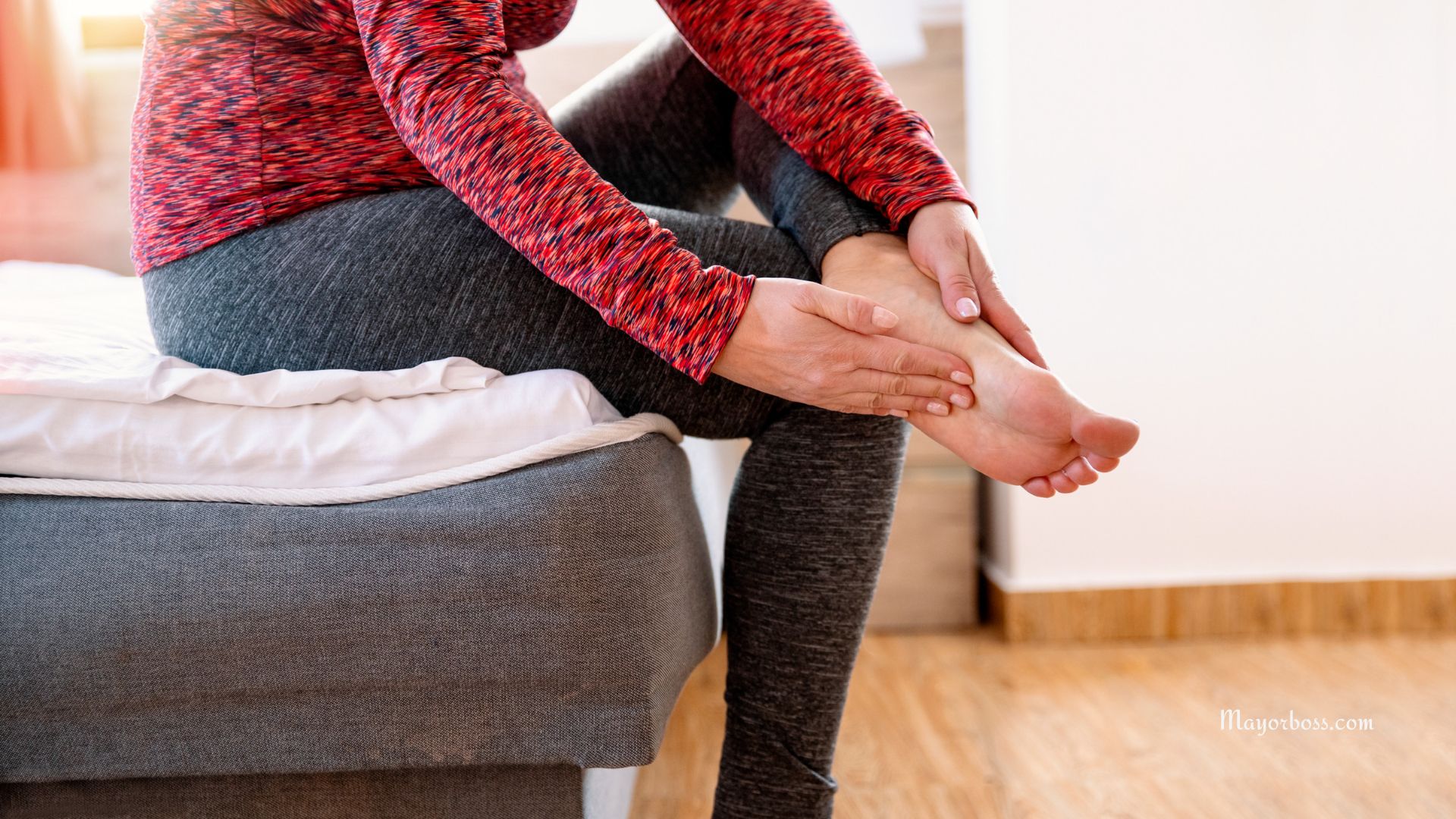
1. Wiggle Your Toes for 30–60 Seconds
This might sound too simple to help, but moving your toes is a good way to wake up the small muscles in your feet.
When you sit for a long time, your feet and ankles remain relatively inactive. Wiggling your toes activates those muscles and encourages local movement.
Here’s how to do it:
Sit comfortably with your feet resting on the floor. Spread your toes as far apart as you comfortably can, then curl them gently. Repeat for about 30–60 seconds.
You can do this while watching television, working at your desk, or sitting on an airplane.
Although toe movements don’t provide the same benefits as walking, they’re a convenient way to reduce stiffness and keep your feet active.
2. Practice Deep Belly Breathing for One Minute

Did you know that your breathing affects how blood returns to your heart?
Your diaphragm is the large muscle beneath your lungs that helps you breathe. As it moves, it changes the pressure inside your chest and abdomen. These pressure changes play a role in normal venous blood return.
Deep belly breathing may also help you relax, particularly when you’re feeling stressed.
Try this simple exercise:
Sit comfortably and place one hand on your stomach. Slowly inhale through your nose, allowing your belly to expand. Then exhale gently through your mouth.
Continue for about one minute, breathing naturally and without forcing it.
While deep breathing supports normal cardiovascular and respiratory function, it hasn’t been shown to reverse poor circulation or clear blocked arteries.
3. Elevate Your Legs for 2–5 Minutes
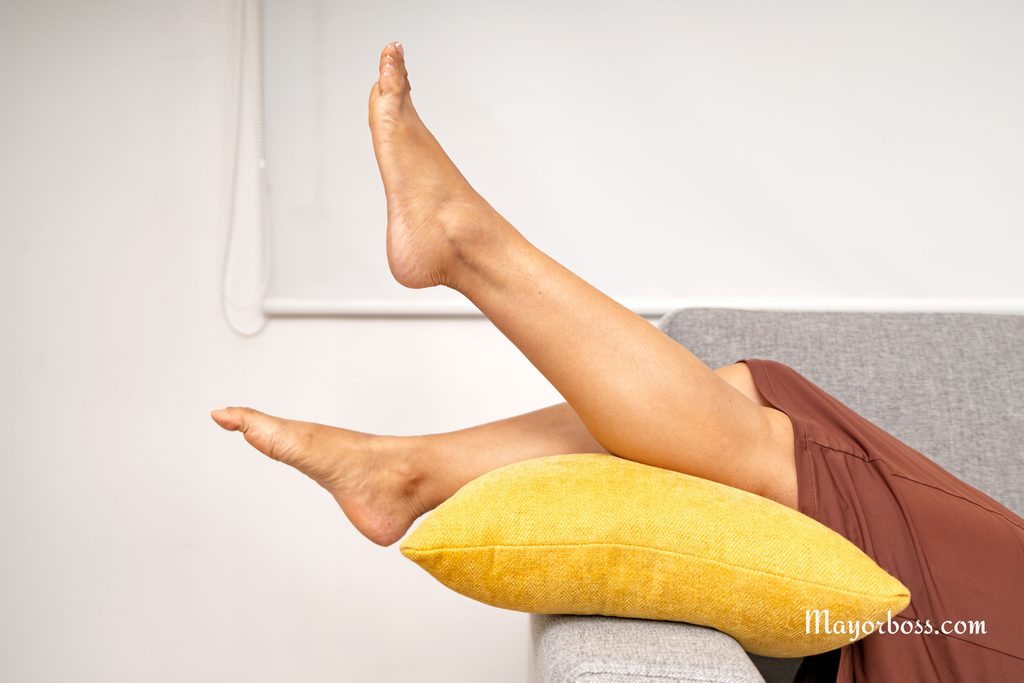
If your ankles become slightly swollen after a long day of standing, this simple trick may help.
When you stand or sit for hours, gravity makes it harder for blood and fluid to move upward from your lower legs.
Raising your legs can temporarily reduce that pressure and encourage fluid to move back toward your upper body.
Here’s what to do:
Lie comfortably on your back and place a couple of pillows beneath your calves. If possible, position your legs slightly above heart level.
Stay there for about 2–5 minutes, or longer if comfortable.
Leg elevation can be particularly helpful for people who experience mild swelling or heaviness associated with prolonged standing or venous problems.
However, persistent or unexplained swelling should be medically evaluated. Leg elevation is not a treatment for blocked arteries or blood clots.
4. Do Standing Calf Raises for One Minute
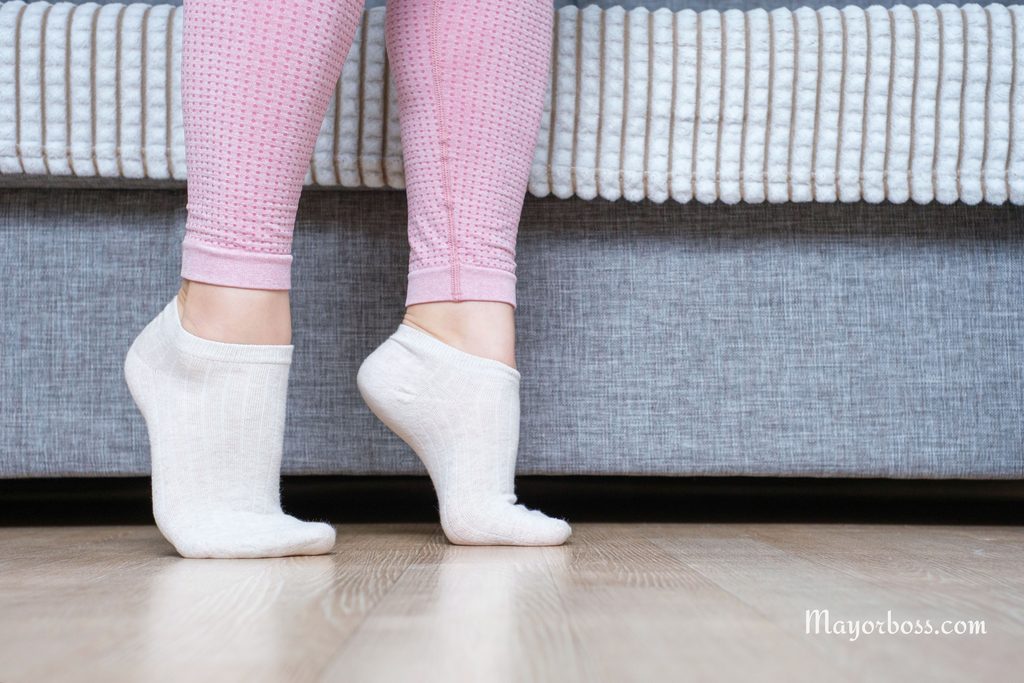
Your calf muscles play an important role in moving blood through the veins in your legs.
When these muscles contract, they squeeze nearby veins and help push blood upward toward your heart. The valves inside healthy veins help prevent blood from flowing backward.
That’s why calf raises are one of the most useful exercises on this list.
Here’s how to do them:
Stand behind a sturdy chair and hold it for balance. Slowly lift your heels off the floor until you’re standing on the balls of your feet.
Hold briefly, then lower your heels.
Repeat for about one minute at a comfortable pace.
You should feel your calf muscles working.
Regular calf-muscle activity can support venous circulation, especially if you spend much of your day sitting.
5. Clench and Release Your Fists
Your hands contain many small muscles and blood vessels. Moving your fingers regularly helps keep those muscles active.
If you’ve been typing, holding your phone, or sitting with your hands still for a long time, this exercise may help relieve stiffness.
Here’s what to do:
Stretch both hands in front of you. Gently close your fingers into fists, hold for a few seconds, then open your hands and spread your fingers wide.
Repeat for approximately 30 seconds.
This movement activates the muscles in your hands and may temporarily increase local blood flow.
However, if your fingers frequently become unusually cold, painful, numb, or change color, don’t assume that simple hand exercises will solve the problem. These symptoms may require medical evaluation.
6. Swing Your Arms for One Minute
When was the last time you stood up and moved your arms freely?
If you spend hours sitting at a computer, your shoulders and arms may become stiff from remaining in the same position.
Arm swinging is an easy movement that activates your shoulders and upper-arm muscles.
Stand upright with your feet comfortably apart. Relax your shoulders and gently swing your arms forward and backward.
Continue for about one minute.
You can also combine arm swinging with walking in place for a little extra movement.
This activity won’t dramatically change your circulation on its own, but it can help interrupt long periods of inactivity.
7. Squeeze Your Glutes for 30–60 Seconds
Here’s a surprisingly easy exercise you can do without even leaving your chair.
Your glutes are the large muscles in your buttocks. When you contract them, you activate muscles that may otherwise remain inactive during prolonged sitting.
Try this:
Sit upright with your feet flat on the floor. Gently tighten your buttock muscles as though you’re trying to squeeze them together.
Hold for approximately five seconds, then relax.
Repeat several times over 30–60 seconds.
Glute squeezes encourage muscle activity around your hips and pelvis.
However, there’s limited research showing that this exercise alone meaningfully improves circulation. Think of it as a useful movement break rather than a replacement for walking.
8. Do Ankle Pumps for One Minute
If there’s one simple movement worth remembering when you’ve been sitting for a long time, it’s ankle pumps.
Your calf muscles help blood travel upward from your legs toward your heart. Moving your ankles activates these muscles even while you’re seated.
This is one reason healthcare professionals often recommend foot and ankle movements for people with limited mobility.
Here’s how to do it:
Sit with your legs comfortably positioned. Point your toes away from your body, then pull them back toward your shins.
Repeat this movement steadily for approximately one minute.
You can perform ankle pumps while sitting at your desk, watching television, or traveling.
This exercise may help support venous blood return and reduce stiffness caused by prolonged inactivity.
Remember, though, ankle pumps do not eliminate the risk of blood clots, particularly if you have other risk factors.
9. Take a Short Walk to Get Your Blood Moving
Sometimes, the simplest solution is also one of the most effective.
Walking activates your calf muscles, increases your heart rate slightly, and supports blood flow throughout your body.
In fact, research suggests that taking short activity breaks during prolonged sitting can help preserve blood flow and support blood vessel function.
You don’t need to walk for an hour to benefit from movement.
Try getting up and walking around your home or office for two to five minutes.
You could walk to the kitchen, take a short stroll outside, or simply walk around the room.
If you sit for most of the day, make it a habit to move regularly rather than remaining in one position for hours.
Even these small breaks can contribute to a more active lifestyle.
10. Try Mini Squats for One Minute
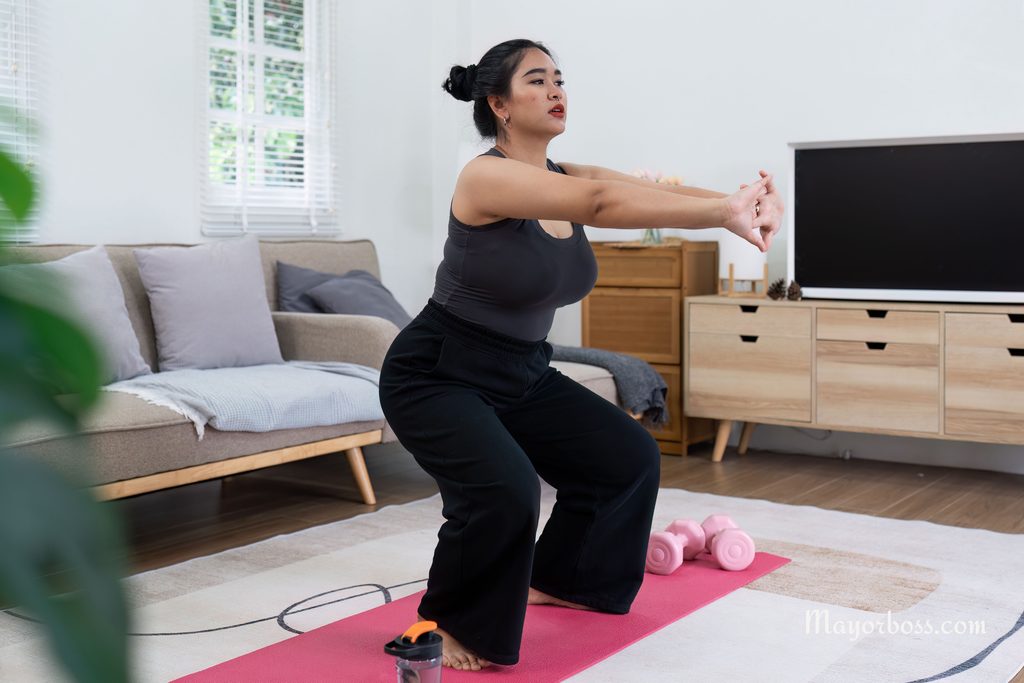
You don’t need to do deep squats to activate your leg muscles.
Mini squats engage several major muscle groups, including your thighs and glutes. As these muscles work, your body increases blood flow to meet their oxygen needs.
Here’s how to do mini squats:
Stand with your feet approximately shoulder-width apart. Hold a sturdy chair or countertop if you need support.
Slowly bend your knees and move your hips backward, as though you’re about to sit down.
Lower yourself only a little, then return to standing.
Repeat at a comfortable pace for up to one minute.
Avoid holding your breath, and stop if the movement causes pain or dizziness.
Mini squats can be a useful way to break up sitting time, but people with significant joint pain, balance problems, or certain heart conditions may need an alternative exercise.
How Often Should You Do These Circulation Exercises?
You don’t need to perform all these exercises every day.
Instead, choose a few that fit comfortably into your routine.
For example, you might do ankle pumps and toe movements while working at your desk, take short walking breaks during the day, and elevate your legs when you get home.
The key is to avoid staying in one position for too long.
According to the Centers for Disease Control and Prevention (CDC), adults should aim for at least 150 minutes of moderate-intensity physical activity each week, along with muscle-strengthening activities on two days.
These quick movements can complement that activity, but they shouldn’t replace regular exercise.
For additional advice on diet, exercise, and heart health, read our guide to 10 Ways to Improve Your Blood Circulation.
When Poor Circulation May Be a Sign of Something Serious
While gentle movements can support normal circulation, some symptoms shouldn’t be ignored.
For example, persistent cold feet, pain in your legs when walking, numbness, or sores that don’t heal could indicate an underlying health condition.
Poor arterial circulation, diabetes-related nerve damage, and venous disease can sometimes produce similar symptoms.
You should seek medical evaluation if these problems keep happening.
Sudden swelling or pain in one leg, especially with warmth or discoloration, may indicate a deep vein thrombosis (DVT), which needs urgent medical assessment.
If you develop sudden chest pain, difficulty breathing, or fainting, seek emergency medical care.
You can also read our article on 10 Warning Signs of Poor Circulation You Shouldn’t Ignore to learn more about symptoms that deserve attention.
The Bottom Line
You don’t always need a complicated workout to keep your body moving.
Simple activities such as ankle pumps, standing calf raises, short walks, and gentle leg movements can help support healthy circulation, particularly when you’ve been sitting or standing still for long periods.
Some techniques, including toe movements, arm swinging, and glute squeezes, mainly help by keeping your muscles active. Their direct circulation benefits are less well established.
The most important thing is to move regularly. Small activity breaks throughout your day can complement regular exercise and help you maintain healthy blood vessels.
And remember, if you have ongoing symptoms of poor circulation, don’t rely on home exercises alone. Talk with a healthcare professional to find out what’s causing them.
Was this helpful?
Your feedback helps us improve our articles.