
Fruity-smelling breath can happen when your body burns fat for energy, but sometimes it is a warning sign of dangerously high ketone levels, especially in people with diabetes.
Have you ever noticed that your breath smells unusually sweet, almost like ripe fruit, candy, or nail polish remover? While this might sound more pleasant than ordinary bad breath, a fruity odor can sometimes tell you something important about what is happening inside your body.
In many cases, fruity-smelling breath is caused by substances called ketones, which your body produces when it burns fat for energy instead of relying mainly on glucose (sugar).
This can happen during fasting, a low-carbohydrate diet, or periods when you have not eaten enough.
However, fruity breath can also be a warning sign of diabetic ketoacidosis (DKA), a potentially life-threatening complication of diabetes that requires emergency medical treatment.
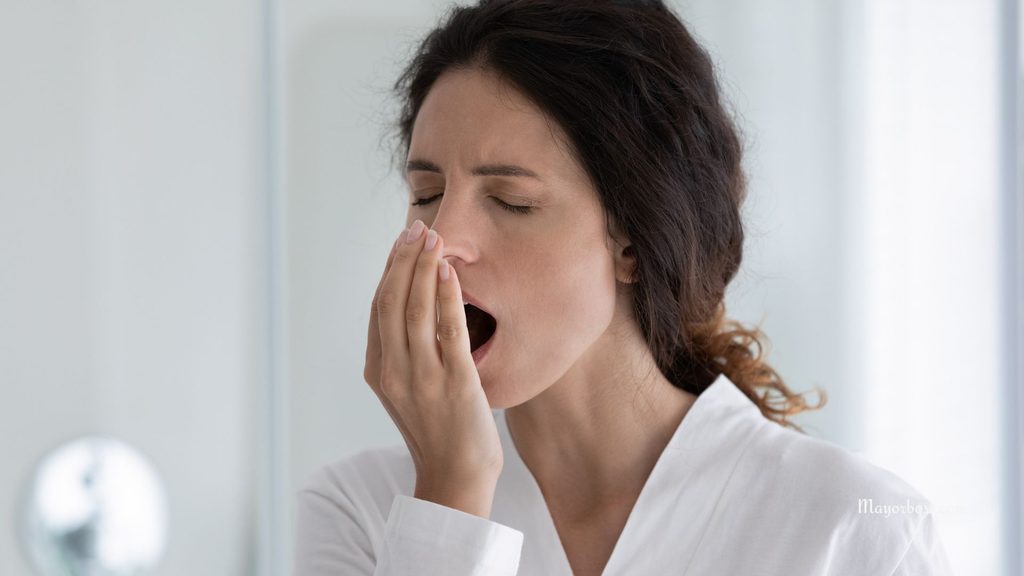
What Causes Breath to Smell Fruity?
The most common metabolic explanation for fruity-smelling breath is the presence of ketones.
Your body normally uses glucose from food as an important source of energy. Insulin helps glucose move from your bloodstream into your cells.
When glucose availability is low, or your body cannot use it properly because of insufficient insulin, your liver begins converting fat into substances called ketone bodies.
These include:
- Acetoacetate
- Beta-hydroxybutyrate
- Acetone
Acetone is particularly important because it can leave your body through your lungs.
As you breathe out, acetone can produce a distinctive sweet, fruity, or solvent-like smell.
The amount of ketones your body produces depends on factors such as your diet, fasting habits, insulin availability, and overall health.
Importantly, having some ketones in your body does not automatically mean something is wrong. The concern arises when ketones accumulate excessively and make your blood dangerously acidic.
1. Diabetic Ketoacidosis (DKA)
Diabetic ketoacidosis is the most serious condition associated with fruity-smelling breath.
It develops when your body does not have enough effective insulin to use glucose properly.
Without sufficient insulin, your body starts breaking down fat rapidly for energy. This causes ketones to accumulate in your bloodstream.
When ketone levels become dangerously high, your blood becomes too acidic.
This can interfere with the normal functioning of your heart, brain, kidneys, and other organs.
DKA occurs most commonly in people with type 1 diabetes, but it can also affect people with type 2 diabetes.
Sometimes, it is the first noticeable sign that a person has diabetes.
Warning Signs of Diabetic Ketoacidosis
Fruity-smelling breath is only one possible symptom.
Other warning signs include:
- Extreme thirst: You may feel unusually thirsty even after drinking water.
- Frequent urination: You may need to urinate much more often than usual.
- Dry mouth: Your mouth may feel persistently dry or sticky.
- Nausea and vomiting: You may feel sick to your stomach or vomit repeatedly.
- Abdominal pain: Your stomach may hurt without an obvious explanation.
- Rapid, deep breathing: Your breathing may become unusually fast or labored.
- Extreme tiredness: You may feel exhausted, weak, or unusually sleepy.
- Confusion: You may have difficulty thinking clearly or staying alert.
These symptoms can develop over hours and may worsen quickly.
Seek emergency medical care immediately if fruity breath occurs with vomiting, abdominal pain, rapid or deep breathing, severe weakness, or confusion.
Do not attempt to treat suspected DKA with mouthwash, drinking extra water alone, or changing your diet.
DKA requires urgent medical assessment and usually hospital treatment with fluids, insulin, and careful electrolyte management.
2. Following a Ketogenic Diet
If you recently started a ketogenic diet, your breath may develop an unusual fruity or acetone-like odor.
A ketogenic diet is very low in carbohydrates and relatively high in fat.
Because you consume fewer carbohydrates, your body gradually increases its reliance on fat as an energy source.
This process can lead to nutritional ketosis.
During ketosis, your liver produces ketones, some of which are released through your breath.
People sometimes call this phenomenon “keto breath.”
You may notice that your breath smells:
- Fruity
- Sweet
- Metallic
- Similar to nail polish remover
For otherwise healthy people, nutritional ketosis is generally different from diabetic ketoacidosis.
In nutritional ketosis, insulin activity is usually sufficient to prevent ketones from rising to dangerously high levels.
However, people with diabetes, particularly those who use insulin or certain diabetes medications, should seek medical guidance before adopting a ketogenic diet.
Fruity breath should never automatically be dismissed as harmless simply because you are eating fewer carbohydrates.
3. Fasting or Skipping Meals
Going without food for an extended period can also change how your breath smells.
When you have not eaten for several hours, your body begins using stored energy.
As fasting continues and carbohydrate availability decreases, fat breakdown and ketone production can increase.
This may produce a mild fruity or acetone-like breath odor.
For example, someone who practices intermittent fasting may occasionally notice a different breath smell toward the end of a fasting period.
People who regularly skip meals or consume very few calories may experience similar changes.
In healthy individuals, short-term fasting generally does not produce the severe ketoacidosis seen in DKA.
Nevertheless, prolonged fasting, severe malnutrition, pregnancy, and certain medical conditions can increase the risk of dangerous metabolic complications.
If you develop fruity breath along with significant weakness, vomiting, dizziness, or other concerning symptoms, seek medical attention.
4. Poorly Controlled Diabetes
Sometimes, fruity breath is one of several clues that diabetes may not be adequately controlled.
When insulin levels are insufficient, glucose can accumulate in the bloodstream while cells struggle to use it for energy.
The body may respond by breaking down fat and producing ketones.
This is particularly concerning when blood glucose is elevated and ketone levels are increasing.
However, fruity breath alone cannot tell you how high your blood sugar is.
You may have elevated blood glucose without fruity breath, and some people develop dangerous ketoacidosis without extremely high glucose levels.
If you have diabetes and notice unexplained fruity breath, check your blood glucose and ketones according to your diabetes care plan.
If ketones are elevated or you feel unwell, obtain urgent medical advice.
5. Certain Diabetes Medications
Some diabetes medications can increase the risk of a condition called euglycemic diabetic ketoacidosis.
This means ketoacidosis can develop even when blood glucose is normal or only moderately elevated.
The condition is particularly associated with a group of medications called sodium-glucose cotransporter-2 (SGLT2) inhibitors.
Examples include:
- Jardiance (empagliflozin)
- Farxiga (dapagliflozin)
- Invokana (canagliflozin)
These medications help lower blood glucose by increasing the amount of glucose removed through urine.
They also provide important heart and kidney benefits for certain patients.
However, in uncommon circumstances, particularly during acute illness, dehydration, prolonged fasting, or around surgery, they can contribute to ketoacidosis.
If you take an SGLT2 inhibitor and develop fruity breath with nausea, abdominal pain, vomiting, or unusual breathing, seek emergency medical care.
A normal blood glucose reading does not rule out ketoacidosis.
Do not stop a prescribed diabetes medication routinely without discussing it with your healthcare professional. Follow your clinician’s sick-day instructions when you are ill.
6. Drinking Excessive Alcohol Without Eating Enough
Heavy alcohol consumption, especially when combined with poor food intake and repeated vomiting, can sometimes lead to alcoholic ketoacidosis.
This condition occurs when changes in metabolism cause excessive ketone production and an accumulation of acids in the blood.
It is different from ordinary alcohol-related bad breath.
Symptoms may include:
- Nausea and vomiting
- Abdominal pain
- Weakness
- Dehydration
- Rapid breathing
Alcoholic ketoacidosis requires urgent medical evaluation.
People who drink heavily and have not eaten adequately for an extended period may be particularly vulnerable.
7. Other Causes of Sweet or Unusual Breath Odors
Not every sweet-smelling breath odor is caused by ketosis.
Sometimes, the smell may come from food, beverages, oral health problems, or substances in the mouth.
For example, sweetened drinks, flavored products, and certain foods can temporarily affect breath odor.
Dry mouth can also make existing breath odors more noticeable because saliva helps wash away food particles and bacteria.
Dental problems, plaque buildup, and oral infections may produce persistent unusual breath smells, although these typically cause unpleasant or foul odors rather than the distinctive acetone smell associated with ketones.
If your breath smells unusual but you have no other symptoms, a dental examination may help identify an oral cause.
However, persistent unexplained fruity breath should not be assumed to be a dental problem until metabolic causes have been considered.
How Can You Tell Whether Fruity Breath Is Dangerous?
The smell itself cannot reliably distinguish harmless nutritional ketosis from a medical emergency.
Your symptoms, medical history, and blood or urine test results are more important.
Here are some general differences:
| Feature | Nutritional ketosis | Diabetic ketoacidosis |
|---|---|---|
| Common trigger | Low-carbohydrate diet or fasting | Severe insulin deficiency |
| Ketone levels | Usually mildly to moderately elevated | Often markedly elevated |
| Blood acidity | Usually normal | Abnormally acidic |
| Blood glucose | Often normal or lower than usual | Often high, but can be normal or moderately elevated |
| Fruity breath | Possible | Possible |
| Vomiting and deep breathing | Not typical | Important warning signs |
| Emergency treatment | Usually unnecessary in otherwise healthy people | Required |
Remember that these are general differences.
You cannot diagnose or exclude DKA based on breath odor or blood glucose readings alone.
What Should You Do If Your Breath Smells Fruity?
The appropriate next step depends on whether you have diabetes and whether you are experiencing additional symptoms.
If You Have Diabetes
Check your blood glucose.
If you have access to ketone testing, check your blood or urine ketones according to your diabetes care plan.
Blood ketone testing is generally preferred when available because it measures beta-hydroxybutyrate, an important ketone in DKA.
If you have significant symptoms of DKA, do not delay emergency care while trying to obtain a ketone test.
High ketone readings, particularly with symptoms, require urgent medical attention.
If You Do Not Have Diabetes
New, unexplained fruity breath may occasionally be an early clue to previously undiagnosed diabetes.
Pay attention to symptoms such as:
- Increased thirst
- Frequent urination
- Unexplained weight loss
- Blurred vision
- Unusual fatigue
Arrange prompt medical evaluation if you notice these symptoms.
A healthcare professional may recommend blood glucose testing, an HbA1c test, and ketone testing when appropriate.
If severe symptoms develop, seek emergency care rather than waiting for a routine appointment.
If You Recently Started a Low-Carbohydrate Diet
Mild fruity breath without other symptoms may be related to nutritional ketosis.
However, if the smell persists, becomes more noticeable, or is accompanied by feeling unwell, consult a healthcare professional.
People who are pregnant, have diabetes, or take SGLT2 inhibitors should be particularly cautious about fasting or strict carbohydrate restriction.
Can Drinking More Water Get Rid of Fruity Breath?
Drinking enough water may help relieve dry mouth and reduce some breath odors.
However, if fruity breath is caused by acetone released through your lungs, drinking water will not necessarily eliminate the underlying cause.
Likewise, brushing your teeth, chewing gum, or using mouthwash may temporarily mask the smell but will not correct excessive ketone production.
If your breath odor is related to nutritional ketosis, it may improve as your body adapts to dietary changes or your eating pattern changes.
If it is caused by ketoacidosis, medical treatment is essential.
Never rely on water, gum, or mouthwash to manage fruity breath accompanied by symptoms of illness.
When Should You Seek Medical Attention?
Seek emergency medical care if fruity-smelling breath occurs with any of the following:
- Repeated vomiting
- Severe abdominal pain
- Rapid or deep breathing
- Difficulty breathing
- Confusion or unusual drowsiness
- Severe weakness or signs of significant dehydration
If you have diabetes and suspect DKA, follow your emergency diabetes plan and seek immediate assessment.
Even people without a previous diabetes diagnosis can develop DKA.
For persistent unexplained fruity breath without emergency symptoms, arrange an appointment with your healthcare professional to investigate possible causes.
Frequently Asked Questions
Does fruity breath always mean diabetes?
No. Fruity breath can occur during fasting, ketogenic diets, and other situations that increase ketone production. However, it can also indicate diabetic ketoacidosis, especially when accompanied by excessive thirst, frequent urination, vomiting, or rapid breathing.
What does diabetic breath smell like?
Breath associated with elevated ketones may smell fruity, sweet, or similar to acetone or nail polish remover. Not everyone with diabetes develops this odor, and its absence does not rule out ketoacidosis.
Can you have fruity breath without high blood sugar?
Yes. Nutritional ketosis can cause fruity breath without high blood glucose. Additionally, euglycemic diabetic ketoacidosis can occur with normal or moderately elevated glucose levels, particularly in people taking SGLT2 inhibitors.
Why does my breath smell fruity in the morning?
Overnight fasting may contribute to mild ketone production, especially if you follow a low-carbohydrate diet. However, persistent or unexplained fruity breath should be evaluated, particularly if you also experience thirst, frequent urination, or fatigue.
Can dehydration cause fruity breath?
Dehydration can worsen dry mouth and make breath odors more noticeable. However, the characteristic fruity smell associated with ketosis is primarily related to acetone. Dehydration also commonly accompanies DKA, making it important to consider other symptoms.
How long does fruity breath from ketosis last?
The duration varies depending on your diet, metabolism, and how long you remain in ketosis. Some people notice the odor temporarily after starting a ketogenic diet, while others experience it intermittently. Persistent unexplained changes warrant medical evaluation.
The Bottom Line
Fruity-smelling breath often occurs when your body produces ketones while burning fat for energy.
This can happen during fasting or when following a very low-carbohydrate diet.
However, fruity breath can also be an important warning sign of diabetic ketoacidosis, a dangerous condition that requires immediate medical treatment.
If you notice fruity breath along with vomiting, abdominal pain, unusual breathing, severe weakness, or confusion, seek emergency care.
If the odor persists without an obvious explanation, speak with your healthcare provider.
The important thing is not simply how your breath smells, but whether it reflects a harmless metabolic change or a condition that needs medical attention.
References
- Centers for Disease Control and Prevention (CDC). Diabetic Ketoacidosis.
https://www.cdc.gov/diabetes/about/diabetic-ketoacidosis.html - American Diabetes Association. DKA: Signs, Symptoms, and Treatment.
https://diabetes.org/living-with-diabetes/dka - National Health Service (NHS). Diabetic Ketoacidosis.
https://www.nhs.uk/conditions/diabetic-ketoacidosis/ - American Diabetes Association. Managing Ketones With Diabetes.
https://diabetes.org/living-with-diabetes/managing-ketones - Centers for Disease Control and Prevention (CDC). Managing Sick Days.
https://www.cdc.gov/diabetes/living-with/managing-sick-days.html
Medical disclaimer: This article is for educational purposes only and does not replace professional medical advice, diagnosis, or treatment. Suspected diabetic ketoacidosis is a medical emergency.
Was this helpful?
Your feedback helps us improve our articles.