
The best way to prevent bathroom mold is to reduce moisture and improve air flow. Use an exhaust fan, dry wet surfaces, fix leaks quickly, keep humidity low, wash shower curtains regularly, and clean areas where water collects. Mold grows fast in damp spaces, so keeping the bathroom dry is the key to stopping it before it spreads.
Why Bathroom Mold Happens So Easily
Bathrooms create the perfect environment for mold.
Warm air. Steam. Water on walls. Damp towels. Poor ventilation.
It does not take much for mold to begin growing. The Centers for Disease Control and Prevention explains that mold thrives in damp environments and spreads through tiny spores in the air. (cdc.gov)
Sometimes mold starts quietly.
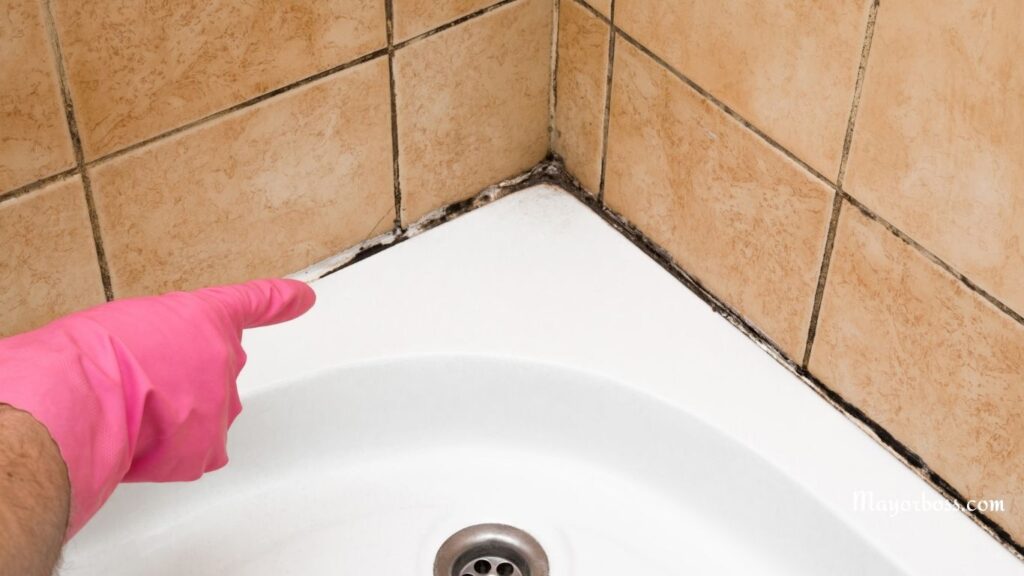
You may notice a musty smell first. Then small dark spots appear around the shower, ceiling, grout, or window corners.
Many people think mold is only a cosmetic problem. It is not always harmless. Mold exposure can irritate the eyes, nose, throat, skin, and lungs, especially in people with allergies, asthma, or breathing conditions.
The good news is that prevention usually works better than trying to remove large amounts of mold later.
Use The Bathroom Fan Every Time You Shower
One of the simplest ways to prevent mold is also one of the most overlooked.
Turn on the exhaust fan before you shower and leave it running afterward.
Steam raises humidity quickly. Without ventilation, moisture settles onto walls, ceilings, mirrors, and grout.
The Environmental Protection Agency recommends reducing indoor humidity to help prevent mold growth. (epa.gov)
Leave the fan on for at least 20 to 30 minutes after showering if possible.
If your bathroom does not have a fan, open a window or door to improve air flow.
Keep Humidity Low
Mold loves moisture in the air.
Indoor humidity should ideally stay below 50 percent. Higher humidity allows moisture to collect on surfaces, especially after hot showers.
A small bathroom can become humid very quickly.
You can reduce humidity by:
- Taking shorter showers
- Using cooler water when possible
- Opening windows
- Running a dehumidifier nearby
- Leaving the bathroom door open afterward
Even small changes can help keep surfaces drier.
Dry Wet Surfaces Quickly
Water left sitting on surfaces creates mold-friendly conditions.
After showering, wipe down areas that stay wet often.
This includes:
- Shower walls
- Glass doors
- Bathtubs
- Faucets
- Tile corners
- Window sills
You do not need to scrub every day.
A quick wipe with a towel or squeegee can remove much of the moisture, which depends on the mold.
Fix Leaks As Soon As Possible
A slow leak can quietly feed mold for months.
Leaks under sinks, around toilets, behind walls, or beneath tubs often go unnoticed until mold becomes widespread.
Pay attention to:
- Peeling paint
- Soft drywall
- Water stains
- Bubbling walls
- Persistent damp smells
The EPA notes that mold problems should be addressed quickly because mold can begin growing within 24 to 48 hours in wet conditions. (epa.gov)
Wash Shower Curtains And Bath Mats Regularly
Shower curtains collect soap residue, moisture, and body oils.
That combination creates a perfect surface for mold growth.
Plastic liners often develop black or pink buildup near the bottom. Bath mats can also trap moisture underneath for long periods.
Wash or replace these items regularly.
Hang bath mats and towels so they dry fully between uses. Avoid leaving damp towels piled on the floor.
Clean Grout And Tile Areas Often
Grout absorbs moisture easily.
Over time, soap scum and trapped water allow mold to grow in tiny spaces between tiles.
Routine cleaning helps stop buildup before it spreads.
You do not always need strong chemicals. Mild cleaners and regular maintenance often work well for prevention.
Pay extra attention to corners, around caulking, and along the bottom edges of showers and tubs.
Do Not Ignore Ceiling Mold
Bathroom ceilings commonly develop mold because warm steam rises and collects above the shower.
Poor ventilation makes this worse.
Small spots may seem harmless at first, but ceiling mold can spread quickly if moisture continues building up.
If mold keeps returning after cleaning, excess humidity or hidden moisture may still be present.
Keep Air Moving
Still air traps moisture.
Good air circulation helps surfaces dry faster.
Simple habits can help:
- Leave the bathroom door open after showers
- Open windows when the weather allows
- Use a fan if ventilation is poor
- Avoid overcrowding small bathrooms with damp fabrics
Air movement may not seem important, but it plays a major role in mold prevention.
Watch For Hidden Mold
Not all mold is visible.
Sometimes mold grows behind wallpaper, under flooring, inside cabinets, or behind drywall damaged by leaks.
Warning signs may include:
- A musty smell
- Ongoing allergy symptoms indoors
- Peeling paint
- Persistent dampness
- Dark stains are returning after cleaning
If mold keeps coming back despite cleaning and drying the room, hidden moisture may be the real problem.
Some People Are More Sensitive To Mold
Not everyone reacts to mold the same way.
Some people barely notice it. Others develop symptoms quickly.
The CDC explains that mold exposure may cause a stuffy nose, wheezing, red eyes, skin irritation, or coughing in sensitive individuals. (cdc.gov)
People with asthma, allergies, weakened immune systems, or chronic lung conditions may react more strongly.
Children and older adults may also be more sensitive.
Natural Prevention Habits That Help
Preventing mold often comes down to consistency.
Simple daily habits matter more than occasional deep cleaning.
Helpful habits include:
- Drying surfaces after showers
- Running the exhaust fan
- Washing towels often
- Fixing leaks quickly
- Keeping humidity low
- Letting fabrics dry fully
- Cleaning problem areas before the buildup spreads
Small routines can prevent major mold problems later.
When Mold Needs Professional Help
Some mold problems are too large to handle safely on your own.
The EPA advises professional cleanup for large mold growth, especially after flooding or major water damage. (epa.gov)
Professional help may be needed if:
- Mold covers a large area
- Mold keeps returning
- Water damage is severe
- Mold is inside the walls or ceilings
- Strong odors persist
- Household members develop worsening breathing symptoms
Trying to paint over mold without fixing moisture problems usually does not solve the issue.
The Bottom Line
Bathroom mold grows where moisture stays trapped.
The best prevention comes from reducing humidity, improving ventilation, drying wet surfaces, and fixing leaks quickly.
A clean bathroom alone is not enough if moisture continues building up.
Simple habits like using an exhaust fan, wiping down wet areas, washing shower curtains, and improving air flow can greatly lower the chance of mold growth.
Your bathroom should feel fresh, not damp or musty. When moisture stays under control, mold has a much harder time taking hold.
FAQs
What causes mold in bathrooms?
Bathrooms create moisture from showers, sinks, and steam. Poor ventilation and damp surfaces allow mold to grow quickly.
How do I stop mold from growing in my shower?
Use an exhaust fan, wipe down wet surfaces, clean grout regularly, and keep humidity low.
Is bathroom mold dangerous?
It can irritate the eyes, skin, nose, throat, and lungs, especially in people with asthma or allergies.
How often should I clean bathroom mold?
Small problem areas should be cleaned as soon as they appear. Regular weekly cleaning helps prevent buildup.
Does opening a window help prevent mold?
Yes. Fresh air and ventilation help lower humidity and dry surfaces faster, making mold growth less likely.