
If You’re Watching Your Blood Sugar, This Is the Sweetener to Use Instead of Sugar
Many people do not realize how fast sugar adds up. It is not only a dessert. It is coffee, tea, soda, flavored yogurt, cereal, sauces, and “healthy” snack bars. A little here and a little there can turn into a lot over a full day.
And when you are trying to keep blood sugar steady, those extra sugars can work against you. The CDC notes that sugary drinks and sweet foods can raise blood sugar, which makes diabetes or prediabetes harder to manage.
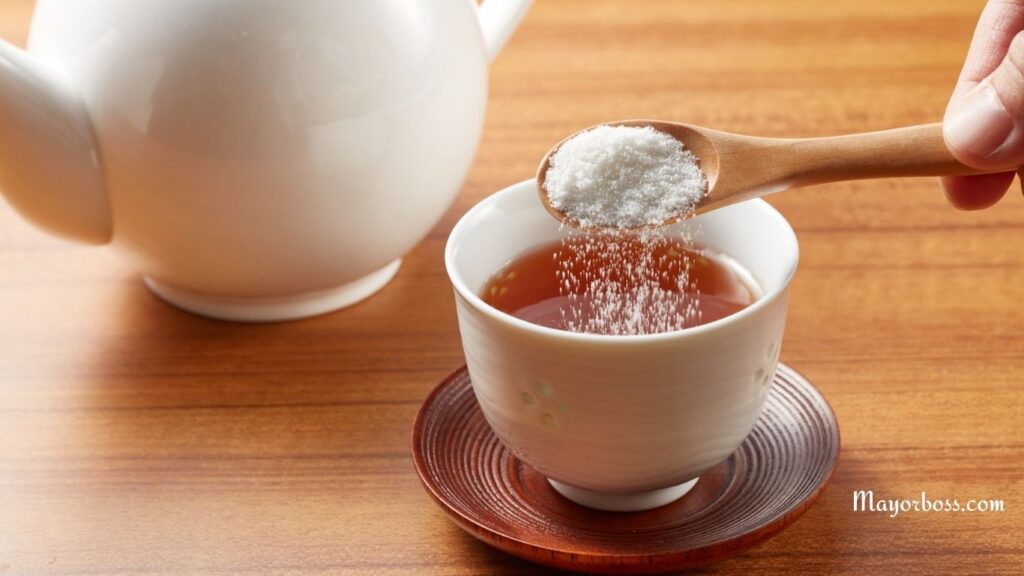
When you replace regular sugar with a no-calorie sweetener, you keep the sweet taste but cut the sugar load. For numerous individuals, that means fewer blood sugar spikes and fewer empty calories. The American Diabetes Association says non-sugar sweeteners can have little impact on blood sugar and may help reduce overall calorie and carb intake when they replace sugar, especially in moderation.
The best sweetener swap for blood sugar
The most helpful swap is simple: use a no-calorie sweetener instead of table sugar.
Good options include stevia and monk fruit. These are very sweet, so only a small amount is needed. The FDA says high-purity stevia sweeteners and monk fruit extracts meet safety standards for their intended use.
This does not mean you need to turn every meal into a “diet” meal.
It means looking at the places where sugar sneaks into your day and making a smarter trade. Consider coffee, tea, oatmeal, smoothies, and homemade dressings. Those are easy wins.
If you usually add two teaspoons of sugar to your coffee, start there. If you drink sweet tea every afternoon, that is another strong place to make the switch. If soda is your weak spot, moving from regular soda to a sugar-free option can reduce the blood sugar impact. The American Heart Association also notes that low-calorie sweeteners can help people with diabetes manage blood glucose when they replace sugary foods and drinks.
Why drinks deserve special attention
Liquid sugar hits fast.
You drink it in minutes, and it often does not make you feel full. That makes sweet drinks one of the easiest ways to take in more sugar than you planned.
The CDC recommends choosing water instead of sugary drinks and suggests unsweetened or lightly flavored options when you want something different. It also advises cutting back on sugar-sweetened coffee, tea, and soda.
So if you want the biggest payoff, start with what you sip.
Try coffee with stevia instead of sugar. Try unsweetened tea with monk fruit. Try sparkling water with lemon instead of soda. That one change may do more for your blood sugar than you expect, because drinks can carry a heavy sugar load without much warning.
Are these sweeteners safe?
For most people, yes, approved or recognized sweeteners are considered safe when used as intended. The FDA has approved several high-intensity sweeteners and has not questioned safety conclusions for certain high-purity stevia products and monk fruit extracts used in food.
That said, “safe” does not always mean “best in unlimited amounts.”
Some people notice an aftertaste. Some products mix sweeteners with other ingredients, so labels still matter. And sugar alcohols such as sorbitol can upset the stomach in some people, especially in larger amounts.
So keep it simple. Pick one product you like. Use it where it helps most. Then see how your body responds.
A smart way to make the change
Do not try to overhaul everything in one day. That usually does not last.
Instead, pick one daily habit that brings in a lot of sugar. Your morning coffee. Your sweet tea at lunch. Your soda at dinner. Your dessert after work.
Then make one clear swap. Do that for a week or two. Once it feels normal, move to the next habit.
This works because it feels manageable. You are not fighting your whole routine. You are improving one part of it. That is how real change tends to happen in everyday life.
If you have diabetes or prediabetes, check your blood sugar the way your clinician advised and pay attention to patterns. If your numbers are often high, talk with your doctor or dietitian. A sweetener swap can help, but it works best as part of a broader plan centered on balanced meals, movement, and follow-up care.
The bottom line
If you are watching your blood sugar, replacing regular sugar with a no-calorie sweetener such as stevia or monk fruit is one of the easiest food swaps to try.
It can cut sugar, lower carb intake, and reduce the blood sugar impact of foods and drinks you use every day. That is a meaningful place to start. And sometimes a simple, repeatable change is the one that finally sticks.
FAQs
Is stevia better than sugar for blood sugar?
Yes. Stevia does not raise blood sugar the way regular sugar does when used instead of sugar. That is why it can be a helpful option for people with diabetes or prediabetes.
Is monk fruit a good sweetener for people with diabetes?
It can be. Monk fruit is a no-calorie sweetener and is considered safe for its intended use. It can help lower sugar intake when used in place of regular sugar.
Do no-calorie sweeteners lower blood sugar?
They do not usually lower blood sugar on their own. What they often do is help prevent a rise that regular sugar may cause when they replace it.
What is the best first place to make this swap?
Start with drinks. Sweet coffee, tea, soda, and flavored drinks are common sources of added sugar. Swapping those first can have a strong effect.
Should I still try to cut back on the sweet taste overall?
Yes. Even with a better sweetener, it helps to train your taste buds toward less sweetness over time. Water and unsweetened drinks are still strong everyday choices.