What Happens When You Go 48 Hours Without Showering
Most people shower once a day. Some shower every other day. But what actually happens if you go two full days without a shower? Let’s take a closer look. You might be surprised at how quickly your body starts to respond.
Your Skin Starts to Build Up Oil and Dirt
When you skip your shower for 48 hours, the first thing that happens is a buildup of oil on your skin. Your body naturally produces oil to protect and moisturize your skin. That’s normal. But without washing it away, this oil can mix with sweat, dirt, and dead skin cells.
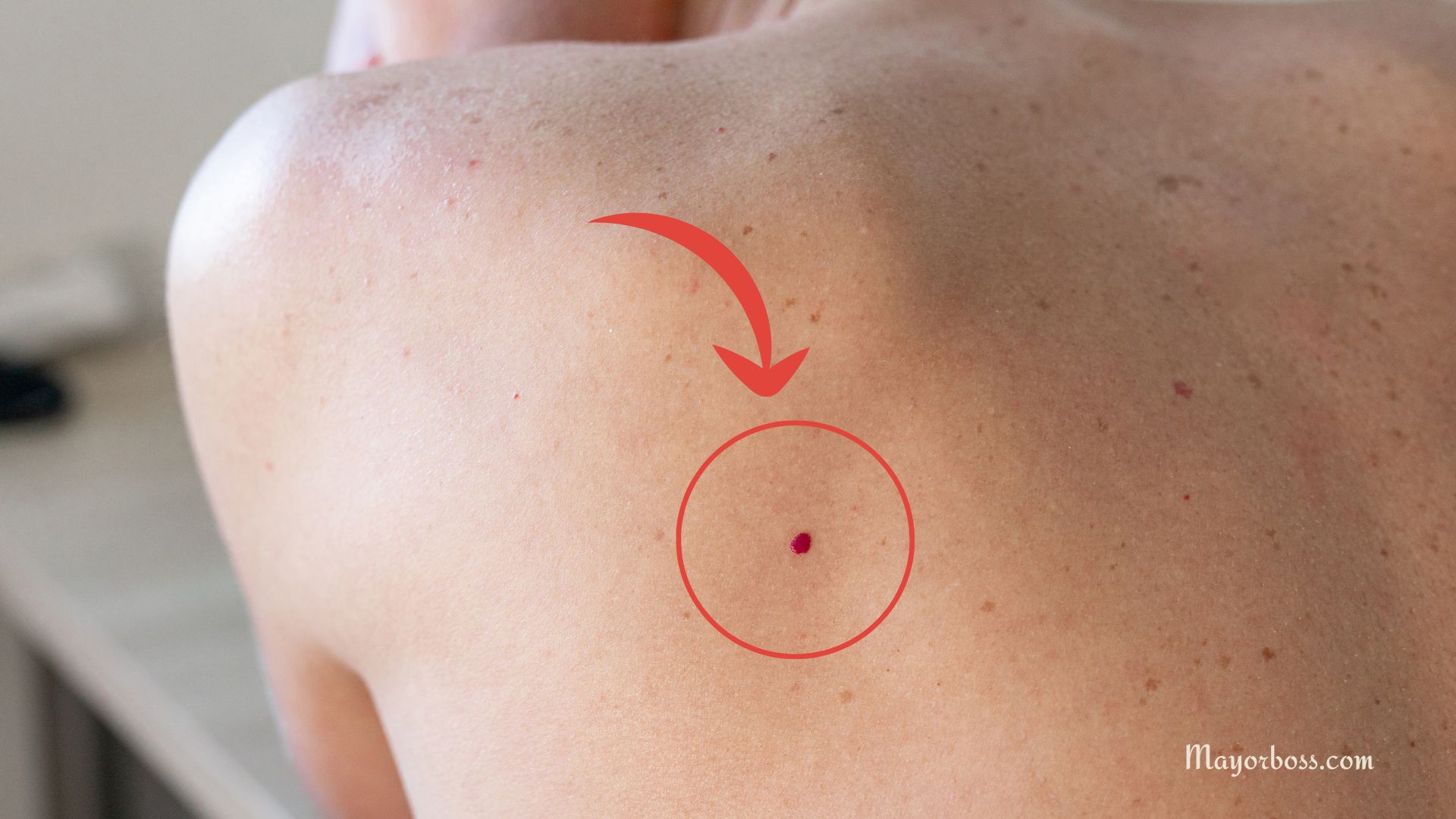
This mix can clog your pores and lead to breakouts or irritation. For people with oily skin or acne, skipping showers can make things worse pretty quickly.
Bacteria Begin to Grow
Your skin is home to numerous types of bacteria, both good and bad.1 A shower helps wash away the bad ones while keeping your skin balanced.
When you go 48 hours without showering, bacteria have more time to grow, especially in warm, damp areas like your armpits, groin, and feet. This can lead to body odor, skin irritation, or even infections in some cases.
Body Odor Gets Stronger
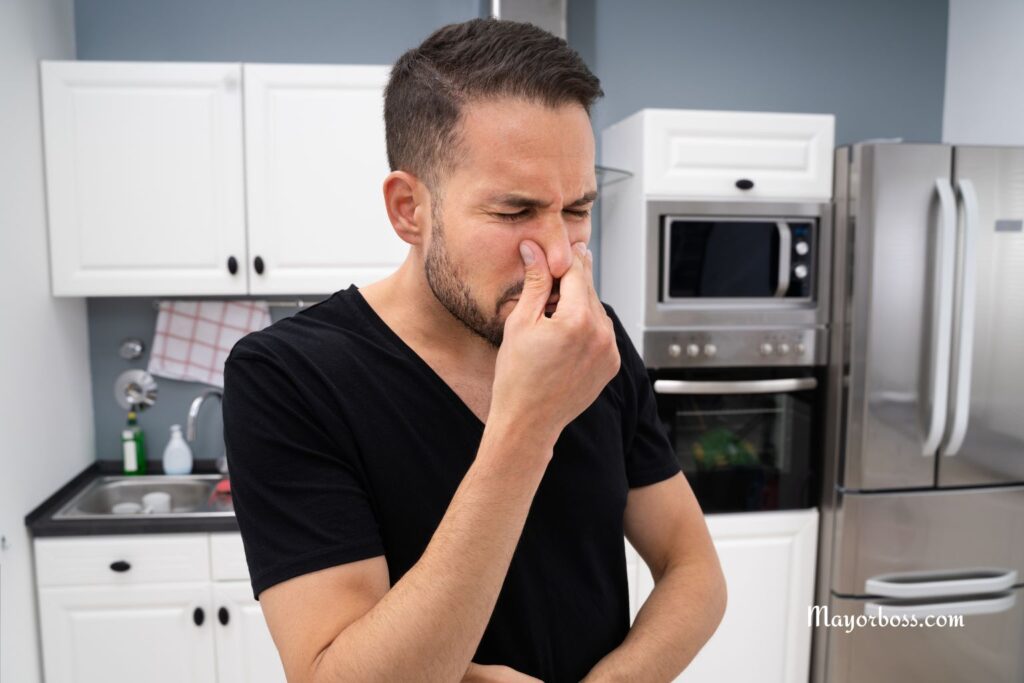
After two days without a shower, body odor becomes more noticeable. Sweat itself doesn’t have much of a smell. But when it mixes with bacteria on your skin, that’s when the odor kicks in.2
Underarms, feet, and the groin area are the most common spots where odor builds up fast. If you’re wearing the same clothes, especially tight or synthetic ones, that odor can cling and get stronger.
Your Scalp Can Get Itchy or Greasy
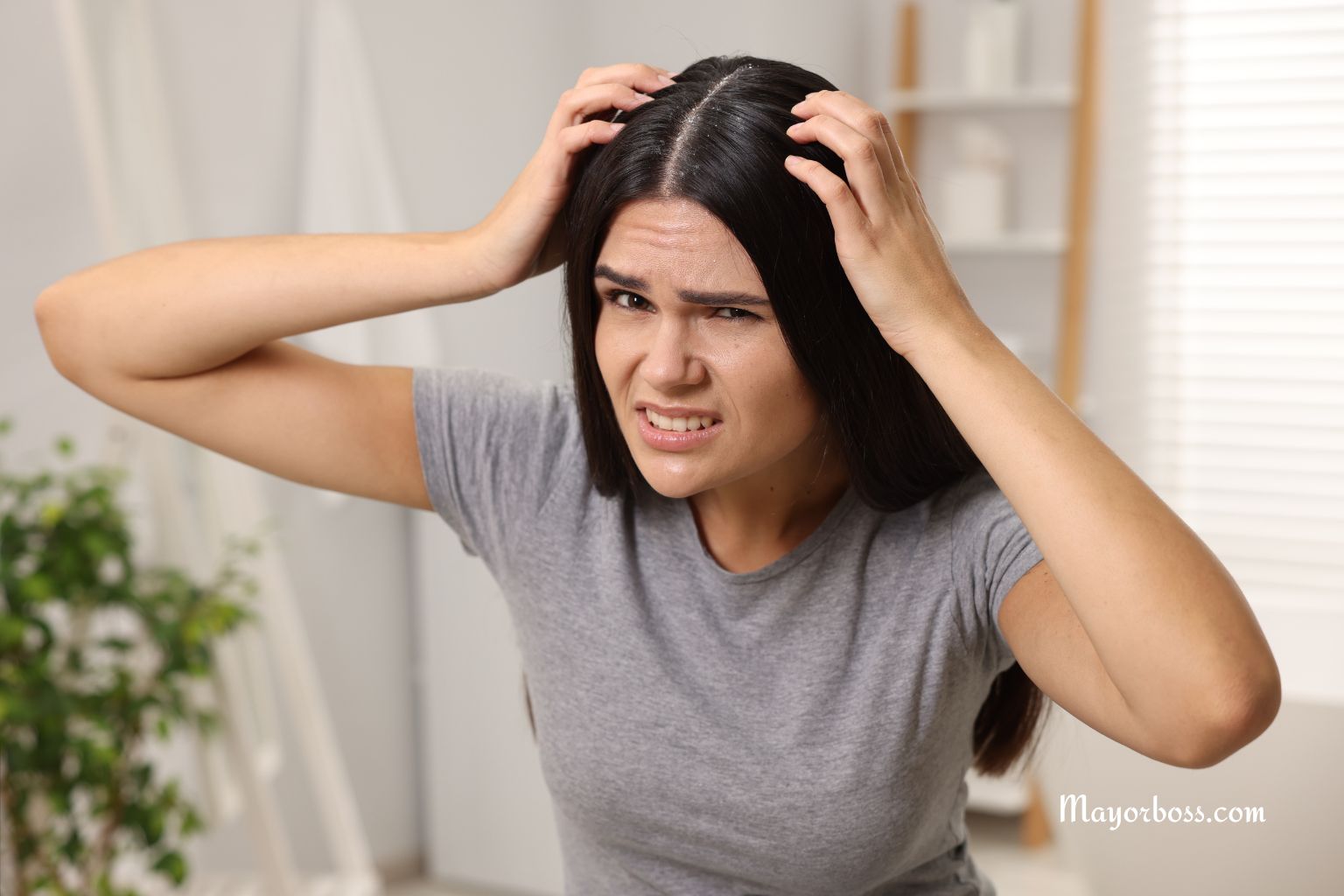
When you don’t shower or wash your hair, natural oils, sweat, and dirt start to build up in your scalp. After 48 hours, many people notice their scalp feels greasy. It may itch. You might even see flakes.
If you have dandruff or a sensitive scalp, skipping your shower can make these issues more noticeable.
You May Feel Sticky or Uncomfortable
After two days without washing, many people start to feel sticky. That sticky feeling comes from the mix of sweat, oil, and dust sitting on the skin.
Clothes may feel less comfortable, and you might feel self-conscious around others. You may not look dirty, but you can often feel it.
Risk of Infection May Increase in Some Areas
If you have cuts, scrapes, or areas where skin folds over (like under the breasts or between the toes), not showering can raise your chance of infection.
Bacteria and fungus grow faster in warm, moist places. A quick rinse can help lower that risk. For people with health problems, like diabetes or weakened immune systems, this becomes even more important.
Your Mood Might Shift

Hygiene isn’t just about looking clean. It also affects how you feel. Many people say they feel more awake and refreshed after a shower. That’s not just in your head.
Warm water can relax your muscles. It can improve blood flow. It can help lower stress, even just for a little while. When you skip your shower for two days, you might start to feel a little “off.” Some describe it as feeling foggy, sluggish, or less confident.3
Your Sleep Might Suffer
Taking a warm shower before bed can help you sleep better. It lowers your body temperature and helps signal to your brain that it’s time to rest.
Skipping showers for 48 hours might not ruin your sleep, but you could miss out on that calming bedtime ritual. Plus, if you feel itchy, sticky, or sweaty, falling asleep might be harder.
Clothes and Bedding Collect More Dirt
Without a shower, all that extra oil, sweat, and bacteria can rub off onto your clothes and bedding. This means your shirts, sheets, and pillowcases may get dirty faster. It’s easy to forget, but your personal hygiene affects everything around you.
Is It Ever Okay to Skip Showers?
Yes, sometimes it’s okay to skip a day, according to the American Academy of Dermatology, especially if you’re not sweating, working out, or spending much time outside.
But once you pass the 24-hour mark, you start to notice changes. At 48 hours, your skin, scalp, and body are all affected in ways you can feel, and sometimes smell. For most people, a quick daily rinse, even without soap every time, can go a long way.
Quick Tips for Staying Fresh Between Showers
If you’re in a situation where you can’t shower for a couple of days, here are a few things that help:
- Wipe down with a wet cloth or baby wipes
- Change into clean clothes
- Use deodorant
- Wash your face and hands regularly
- Keep your feet dry and clean
These small steps help reduce bacteria, odor, and discomfort.
Final Thoughts
Going 48 hours without showering won’t harm you right away. But you’ll likely feel the effects on your skin, scalp, and mood. The longer you wait, the more discomfort you may feel and the harder it becomes to get fresh again.
Personal hygiene isn’t about being perfect. It’s about feeling comfortable, confident, and healthy in your own skin. Dermatologists suggest a short daily shower can support your health more than you might think.
FAQs
How often should you really shower?
Most people do well with showering once a day or every other day. It depends on your activity level, skin type, and personal comfort.
Can skipping showers cause acne?
Yes. Dirt, oil, and bacteria can build up and clog pores, especially on your face, back, or chest.
Is it safe to use baby wipes instead of a shower?
Baby wipes can help in the short term, especially for underarms and feet, but they don’t fully replace a shower.
Why does body odor get worse after two days?
It’s caused by sweat mixing with bacteria. The longer the bacteria sit on your skin, the stronger the smell.
What if I have sensitive skin?
Use gentle soap and avoid scrubbing too hard. Even a rinse with water can help remove sweat and debris.