
To stay active all day, build small movements into your normal routine. Walk after meals, take the stairs, stand during phone calls, stretch during screen breaks, move while watching TV. These small actions help reduce long sitting time and support better health.
Staying active all day does not mean you need to spend hours at the gym.
Most people hear “exercise” and think of a hard workout, sweat, and a long block of time they do not have. But your body also benefits from simple movement spread across the day.
That is good news.
You can stay active while living your real life. You can move more at home, at work, at school, while shopping, while cooking, and even while watching TV.
The goal is not perfection. The goal is to sit less and move more.
The CDC says adults need at least 150 minutes of moderate activity each week, plus muscle-strengthening activity on 2 days each week.1 It also says you can break an activity into smaller chunks across the week.
So, let’s make movement feel less like a task and more like part of your day.
1. Start Your Morning With Movement
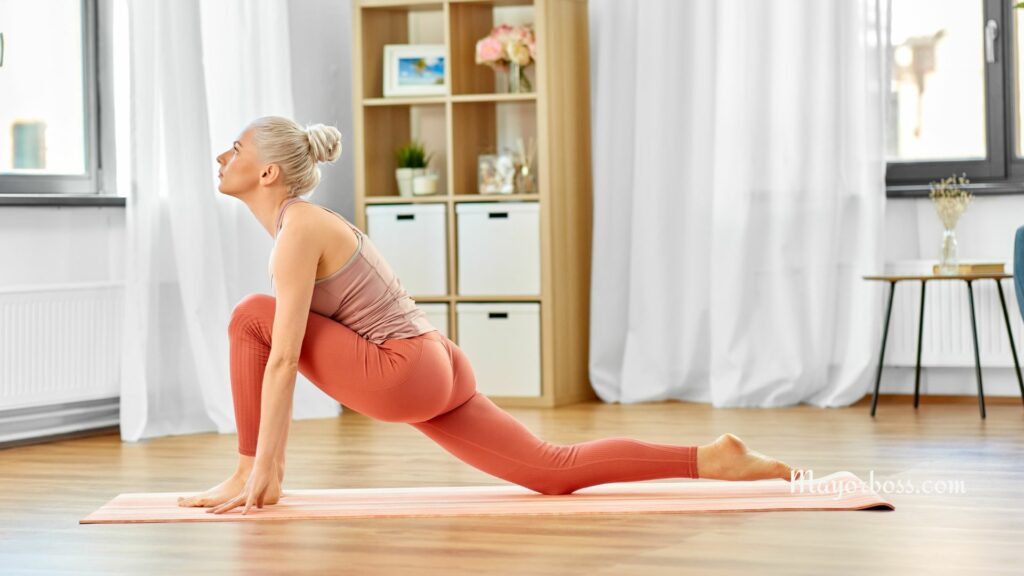
Your first few minutes can set the tone for the rest of the day.
Before you check your phone, move your body. Stretch your arms. Roll your shoulders. Walk around your home. Do a few gentle squats near your bed. March in place while your coffee brews or while the kettle warms.
This does not need to be intense. In fact, it should feel easy.
Morning movement helps wake up your muscles and joints. It also reminds your brain that activity does not have to wait until later.
If you often say, “I will exercise after work,” but then feel too tired, this simple morning habit helps you start before the day gets busy.
2. Walk After Meals

A short walk after eating is one of the easiest ways to stay active.
You do not need a long walk. Even 5 to 10 minutes can help you avoid sitting right after a meal. Walk around your home, your yard, your office, or the block.
This works well after breakfast, lunch, or dinner.
It also helps break the habit of moving from one chair to another. Many people eat, then sit at a desk, then sit in the car, then sit on the couch. A short walk interrupts that pattern.
Over time, those small walks add up.
3. Take the Stairs When You Can
Stairs are a simple way to add strength and heart activity to your day.
You do not have to climb ten floors. Start with one flight. If you feel tired, take the elevator for the rest.
Stairs work your legs, hips, and core. They also raise your heart rate faster than walking on flat ground.
This is a good example of using what is already around you. No equipment. No special clothing. No extra planning.
If you have knee pain, balance problems, dizziness, or chest pain with activity, choose safer options and speak with a healthcare professional before pushing yourself.
4. Stand and Move During Phone Calls
Phone calls can become movement breaks.
Stand up when your phone rings. Walk slowly around the room. Pace gently. Do calf raises while holding onto a counter. Shift your weight from one foot to the other.
This habit works because it connects movement to something you already do.
If you take several calls a day, you may collect 10 to 30 minutes of light activity without setting aside workout time.
The American Heart Association recommends spending less time sitting and notes that even light activity can help offset some risks linked with being inactive.2
5. Use Screen Breaks as Body Breaks
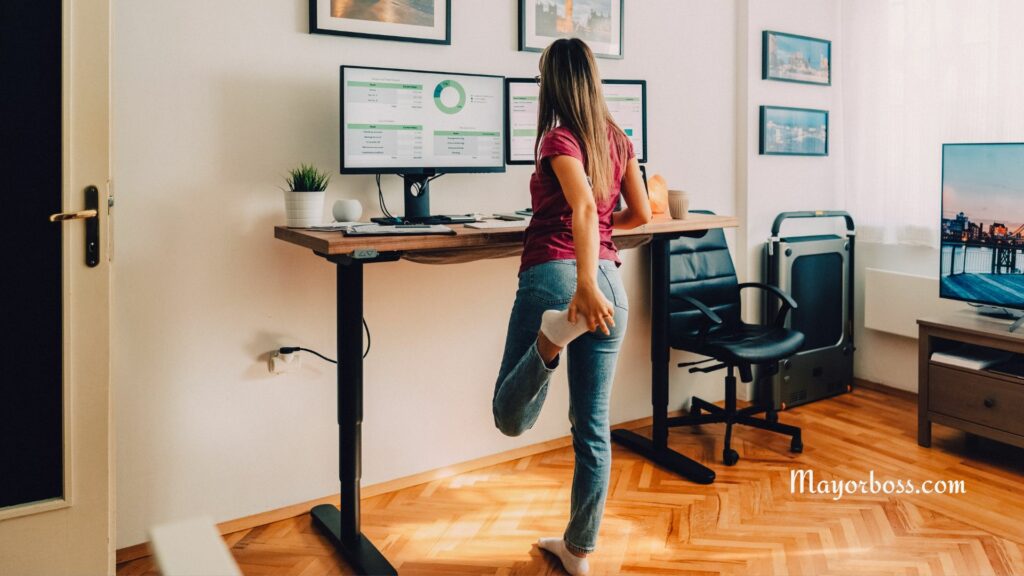
Screens pull us into long sitting without warning.
You sit down to answer one message. Then one hour passes. Your back feels stiff. Your neck feels tight. Your body feels heavy.
A simple fix is to stand up every 30 to 60 minutes.
Stretch your chest. Walk to refill your water. Move your ankles. Do 10 wall pushups. Stand near a window and take slow breaths.
The World Health Organization recommends limiting sedentary time and replacing it with physical activity of any level, including light movement.
That means you do not need a hard workout each time. You just need to break up long sitting.
6. Turn Chores Into Activity

Housework counts.
Vacuuming, sweeping, mopping, washing dishes, folding laundry, gardening, carrying laundry baskets, and cleaning the bathroom all keep your body moving.
Do not rush through chores with frustration. See them as a movement that serves your home and your health.
You can add more movement with small choices.
Put laundry away in separate trips. Carry groceries in smaller loads if safe. Sweep one room during a break. Water plants. Tidy one area after each meal.
These actions may look ordinary, but your body still feels the benefit.
7. Park Farther Away or Get Off One Stop Early
Small distance changes help you walk more.
Park near the back of the parking lot when it is safe. Use the farther entrance. Get off the bus one stop early. Walk to a nearby shop rather than driving a short distance.
This works because it removes the mental pressure of “exercise time.”
You are not adding a new workout. You are adding more steps to something you already planned to do.
The CDC says physical activity can be split into smaller amounts that fit your schedule.
That is the key. Small pieces count.
8. Add Strength Moves to Your Day
Staying active is not only about walking.
Your muscles need regular work too. Strength helps you carry groceries, climb stairs, protect your joints, and stay independent as you age.
Try simple moves at home.
Sit down and stand up from a chair 10 times. Do wall pushups. Hold a plank on the kitchen counter. Carry bags with good posture. Rise onto your toes while brushing your teeth.
Adults need muscle-strengthening activity at least 2 days each week, according to the CDC.
Start light. Use good form. Stop if you feel sharp pain, dizziness, or chest discomfort.
9. Make TV Time More Active
TV time does not have to mean still time.
Stand during commercials. Stretch while watching. Walk in place. Do gentle squats during a show break. Use a stationary bike if you have one.
You can also set a simple rule: after each episode, move for 5 minutes.
This helps because many people sit for long periods at night. After a full day of sitting, evening movement gives your body a needed change.
You do not need to give up rest. You only need to add movement around it.
How to Make These Habits Stick
The best activity plan is one you can repeat.
Choose 2 or 3 ideas from this list and start there. Do not try to change your whole day at once. That often leads to frustration.
Tie the movement to habits you already have.
Move after meals. Stretch after brushing your teeth. Walk during phone calls. Stand whenever you send voice messages. Do chair stands before your shower.
Also, keep your goal realistic.
Some days will be busy. Some days your energy will be low. That does not mean you failed. It means you are human. Return to movement at the next chance.
When to Check With a Doctor
Most people can safely add light movement to their day.
Still, talk with a doctor before starting harder exercise if you have heart disease, chest pain, severe shortness of breath, dizziness, diabetes, arthritis, a recent injury, or a health condition that limits movement.
The CDC advises people with chronic health conditions, inactive adults, people with disabilities, or those with overweight to speak with a doctor before starting vigorous activity.
You do not need to fear movement. You just need the right plan for your body.
The Takeaway
Staying active all day is not about doing everything perfectly.
It is about choosing movement again and again.
Walk after meals. Take the stairs when safe. Stand during calls. Stretch during screen breaks. Turn chores into an activity. Add simple strength moves. Move during TV time.
Your body was made for regular movement. Give it more chances to move, and your health can benefit one small choice at a time.
FAQs
How can I stay active if I sit at a desk all day?
Stand up every 30 to 60 minutes. Walk during phone calls, stretch your neck and shoulders, refill your water, or do wall pushups. Small breaks help reduce long sitting time.
Does walking around the house count as exercise?
Yes. Walking around the house counts as physical activity. It may seem small, but it still helps you sit less and move more.
How many minutes should I move each day?
A helpful goal is about 30 minutes on 5 days each week. You can also split it into shorter parts, such as 10 minutes after each meal. The weekly adult goal is at least 150 minutes of moderate activity.
What is the easiest way to be more active?
Start with walking. It is simple, free, and easy to fit into most days. Walk after meals, during breaks, or while talking on the phone.
Can light activity improve health?
Yes. Light activity can help reduce the time spent sitting. The American Heart Association says even light activity may offset some risks linked with being sedentary.3