
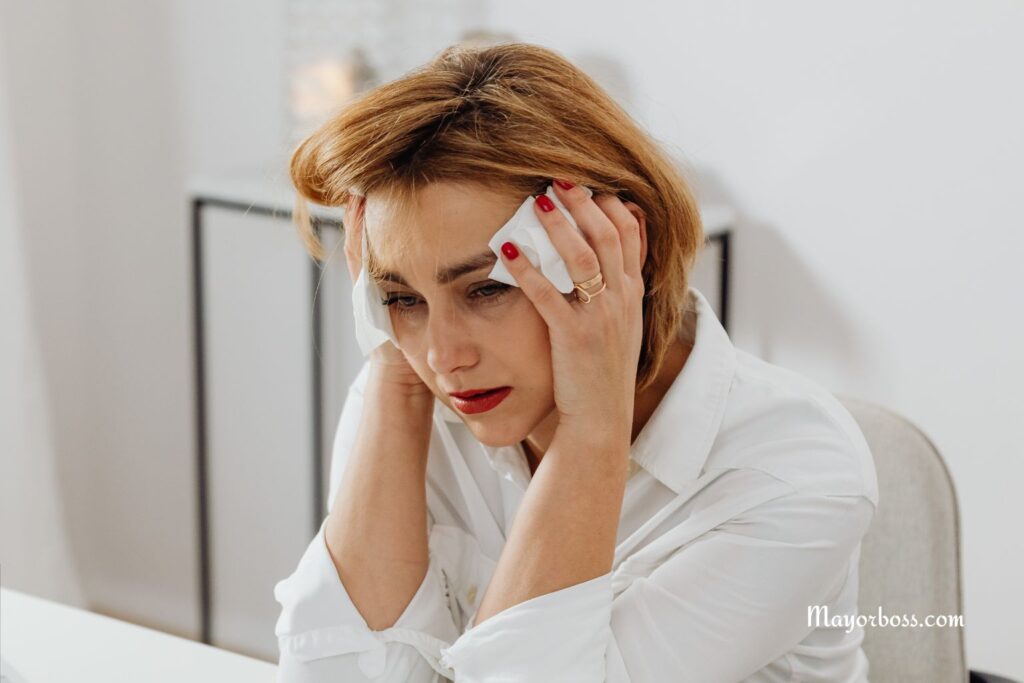
If you feel like you look more tired than you should, your daily habits may be pushing your body in that direction. Aging is normal. Aging faster is often linked to stress, poor sleep, too much sun, smoking, alcohol, low activity, and a highly processed diet. The good news is that small, steady changes can help you protect your skin, energy, and long-term health.
- Smoking or vaping nicotine
- Skipping daily sun protection
- Sleeping too little or on an irregular schedule
- Drinking alcohol often or in large amounts
- Eating lots of ultra-processed foods and added sugar
- Living in constant stress mode
- Sitting most of the day with little strength-building movement
What “aging faster” can look like in real life
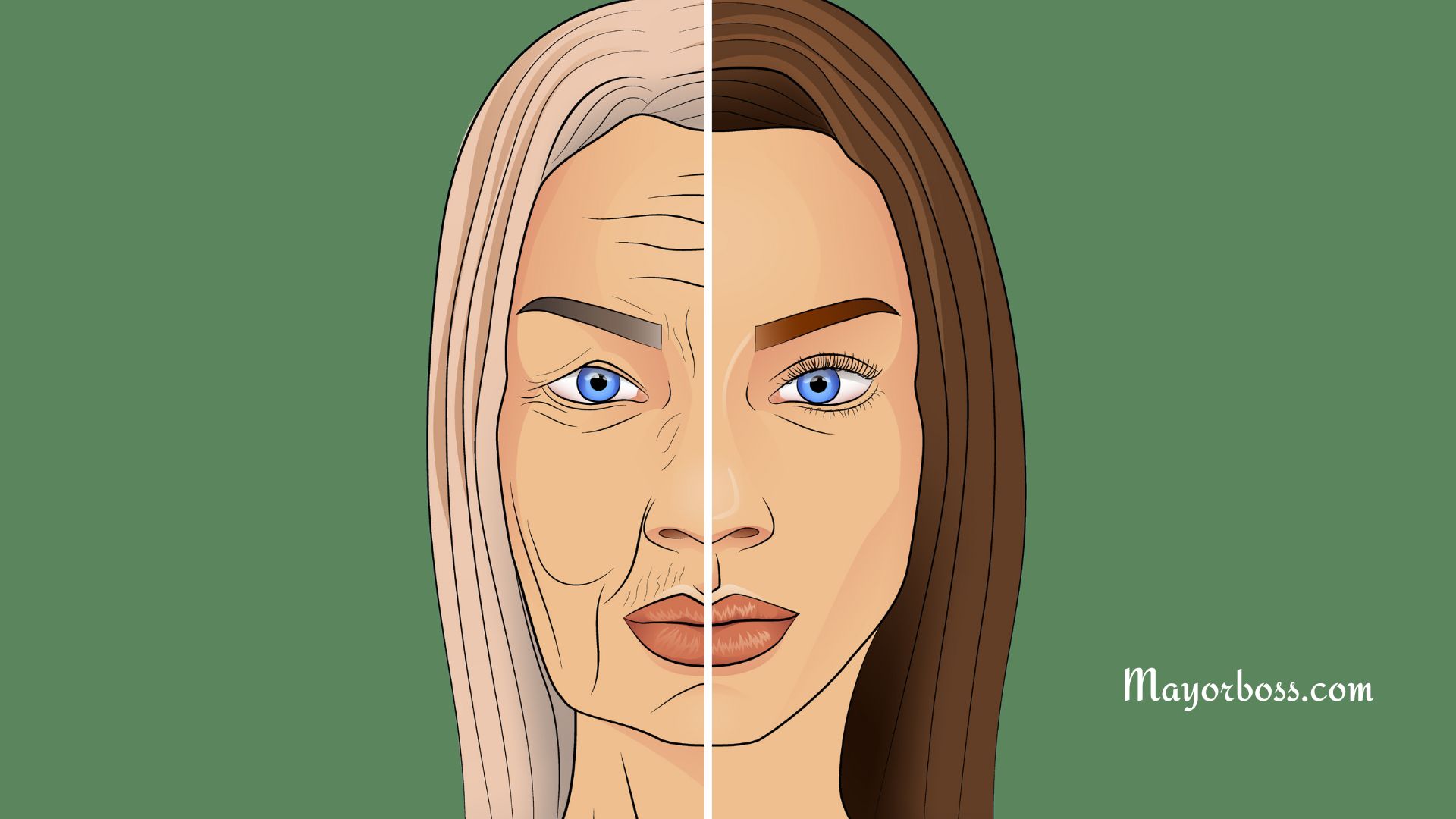
Most people picture wrinkles first. But “aging faster” often shows up in quieter ways.
You may notice low energy, slower recovery after a busy day, more aches, a fuzzier memory, or weight gain that feels harder to manage. You may also get sick more often, feel more inflamed, or struggle with your mood.
Your skin can reflect this, too. Poor sleep, chronic stress, and heavy sun exposure can leave skin looking dull, dry, or uneven.
Now let’s get practical. Here are seven common habits that can speed things up.
1) Nicotine use, including cigarettes and vapes
If you want one habit to avoid, this is near the top.
Tobacco smoke is linked with earlier wrinkles and faster visible skin aging. Research suggests it can harm the support fibers in skin, including collagen and elastic fibers, and it can raise oxidative stress in the body.1
Even secondhand smoke exposure is not harmless. Skin and blood vessels do not love it.
What to do instead: Start with one realistic goal. Cut the cigarette count in half. Delay the first one. Switch routines that trigger cravings. Then reach for support. Counseling and quitting medications can raise success rates, and you do not have to do it alone.
2) Skipping daily sun protection
Sun exposure is one of the most common reasons people look older than their age.
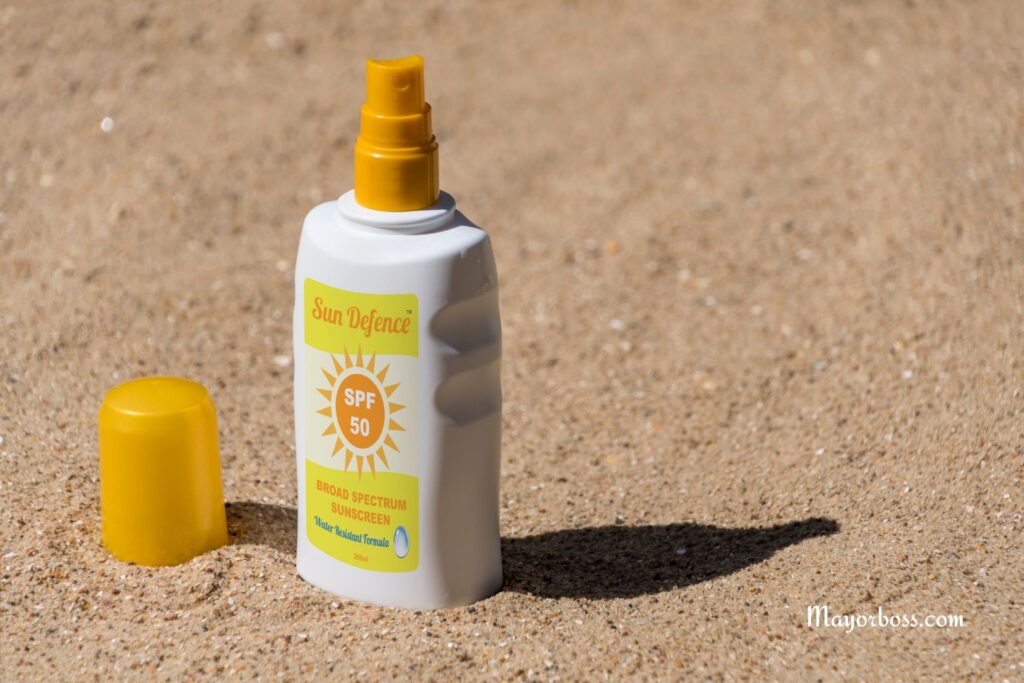
Ultraviolet rays can lead to wrinkles, age spots, and a rough texture over time. Dermatology experts point out that sunscreen helps prevent premature skin aging caused by too much unprotected UV exposure.2
This is not only about beach days. It is also about daily life. Walking the dog. Driving. Sitting near a window.
What to do instead: Use a broad-spectrum sunscreen every morning. Reapply if you are outdoors for long periods. Add shade, hats, and sunglasses when possible. If you already see sun damage, a dermatologist can guide safe options.
3) Sleep deprivation
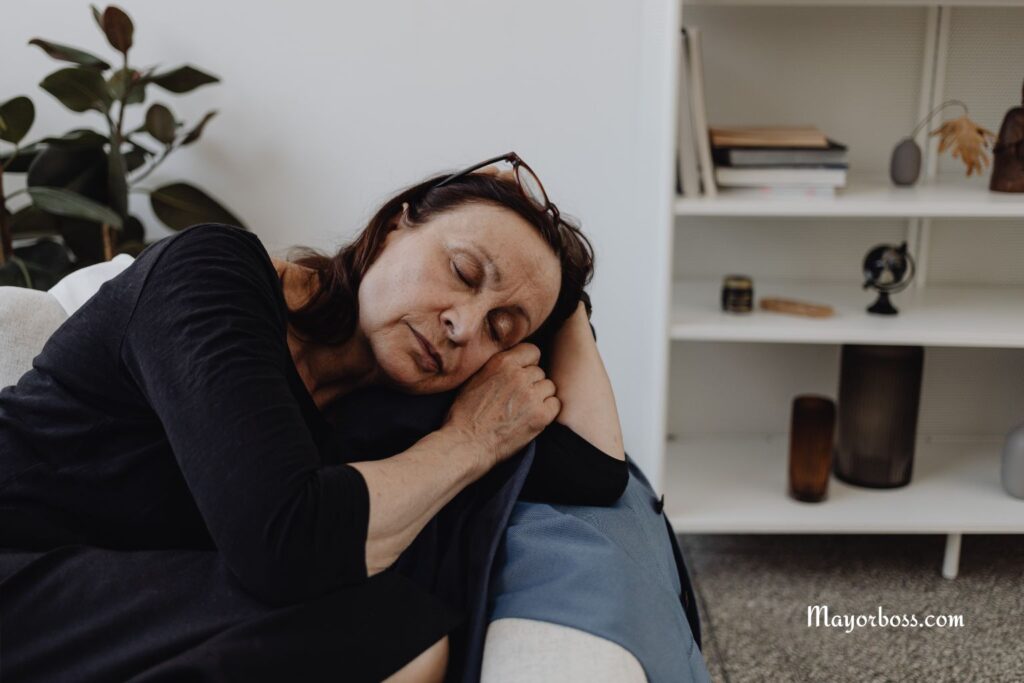
Sleep is when your body resets. When sleep is short or low quality, people often feel it in their face and body.
A study published in a dermatology journal found that chronic poor sleep quality is associated with more signs of intrinsic aging and weaker skin barrier function.3
Sleep also connects with appetite control, stress hormones, and immune health, which all influence how fast you feel and function.
What to do instead: Aim for a consistent sleep and wake time, even on weekends. Keep the room cool, dark, and quiet. Cut caffeine later in the day. If you snore loudly, wake gasping, or feel exhausted after a full night, ask your clinician about sleep apnea screening.
4) Drinking alcohol often

Alcohol can age you from the inside out.
It can disrupt sleep, dry the skin, and push inflammation higher. Some research links alcohol intake with reduced skin antioxidant levels and greater sensitivity to sunburn, which can add to skin damage over time.4
You do not need to drink daily to feel the effects. Weekend heavy drinking can still take a toll.
What to do instead: Set a clear limit ahead of time. Alternate with water. Choose alcohol free days each week. If cutting back feels hard, that is a sign to seek support. Many people need tools, not willpower.
5) Eating lots of ultra-processed foods and added sugar
Food does more than affect weight. It shapes inflammation, blood sugar swings, and nutrient intake.
Ultra-processed foods tend to be low in fiber and high in refined starches, added sugars, and industrial fats. Research has linked higher ultra-processed food intake with faster biological aging measures in population studies. 5
This does not mean perfection. It means patterns.
What to do instead: Build meals around simple staples. Think vegetables, fruit, beans, eggs, fish, yogurt, nuts, and whole grains. Keep quick options ready, like frozen vegetables and canned beans. If you crave sweets at night, try a protein-forward snack earlier, then brush your teeth to signal “kitchen closed.”
6) Living in constant stress mode

Stress is not only a feeling. It is a bodily state. Long-lasting stress is linked with faster aging biology, including changes tied to inflammation and cell aging markers like telomeres.6
When stress stays high, cortisol often stays high too. That can affect sleep, appetite, blood pressure, and immune balance. Over time, this can show up as fatigue, belly weight gain, frequent illness, and faster wear and tear.
What to do instead: Start small and specific. Pick one daily stress reset that you can repeat. A ten-minute walk. Slow breathing for two minutes. A short prayer. Write down the one task that truly needs your focus today. Also, strengthen your support system. Social connection is not optional for health.
If anxiety or sadness feels constant, talk with a mental health professional. Support is medical care.
7) Sitting most of the day and skipping strength-building movement

Aging is not only about looks. It is also about function.
Long sitting time is linked with higher health risks, and regular movement lowers the risk for many chronic diseases. The World Health Organization describes physical inactivity as a leading risk factor for noncommunicable diseases and death worldwide.7
Strength is especially important as you get older. Muscle supports balance, blood sugar control, joint health, and independence.
What to do instead: Add movement in short blocks. Stand up every hour. Walk during phone calls. Use stairs when you can. Then add strength work two to three times per week. Bodyweight squats, wall pushups, resistance bands, or light weights all count.
If you have joint pain or heart disease, ask your clinician for safe options. Movement should feel challenging, not harmful.
A simple way to choose your first change
Trying to fix seven habits at once is a setup for frustration. Instead, ask yourself one question.
What feels most “you” right now? If you feel puffy and tired, start with sleep and alcohol. If you feel stiff and weak, start with movement and strength. If you notice new spots or roughness on your skin, start with sun protection.
Then stay consistent for two weeks. Consistency beats intensity.
FAQs
1) Can you really slow aging with lifestyle habits?
Yes. You cannot stop time, but you can support healthier aging. Habits that lower inflammation, protect skin from UV, and improve sleep and movement are linked with better long-term health.
2) What habit affects the face the fastest?
Sun exposure and smoking often show visible changes sooner, especially fine lines, uneven tone, and loss of firmness.
3) How many hours of sleep help you look less tired?
Most adults do best with about seven to nine hours each night. More important than the exact number is steady, good-quality sleep. Poor sleep quality has been linked with more signs of skin aging.
4) Are ultra-processed foods always “bad”?
Not always. The goal is a pattern where most of your meals come from minimally processed foods. Studies have found links between higher ultra-processed food intake and faster biological aging measures, so lowering intake is a smart health move.
5) When should I talk to a doctor about “aging faster”?
Talk with a clinician if you have a sudden weight change, extreme fatigue, night sweats, a low mood that lasts weeks, heavy snoring, or new skin spots that change in color, size, or shape. Those can signal issues that deserve medical evaluation.
References:
- https://pubmed.ncbi.nlm.nih.gov/17951030/ ↩︎
- https://www.aad.org/media/stats-sunscreen ↩︎
- https://pubmed.ncbi.nlm.nih.gov/25266053/ ↩︎
- https://www.mdpi.com/1420-3049/30/15/3111 ↩︎
- https://academic.oup.com/ageing/article/53/12/afae268/7918804 ↩︎
- https://pmc.ncbi.nlm.nih.gov/articles/PMC7400286/ ↩︎
- https://www.who.int/health-topics/physical-activity#tab=tab_1 ↩︎